From the file. Written for the paper dated December 1974. Opened in the public stacks July 14, 2026.
A recent public trust survey reveals a troubling landscape, one marked by disillusionment and skepticism toward institutions that once commanded respect. As we dive into the mechanisms behind these findings, it becomes clear that both ends of the political spectrum bear responsibility for this erosion of trust.
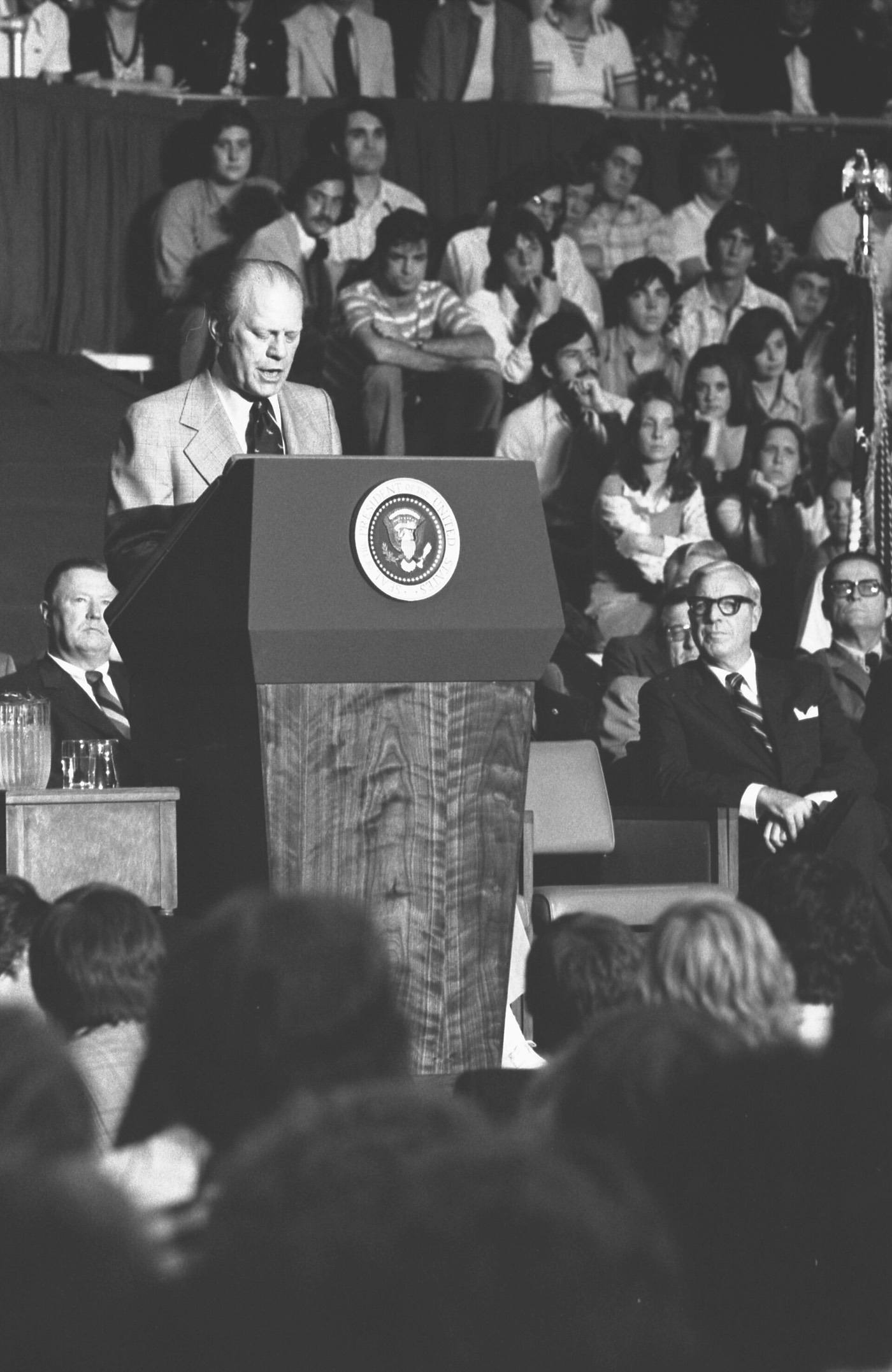
The Mechanism of Trust
The methodology of public trust surveys may seem mundane, yet it serves as a critical reflection of societal sentiment. Conducted through a combination of telephone interviews and mailed questionnaires, these surveys capture the voices of ordinary citizens. However, the nuances of how questions are phrased and the sample size can greatly influence results. The recent survey indicated a sharp decline in trust toward government, media, and corporate entities - a sentiment echoed across different demographics.
Survey participants expressed feelings of alienation, citing a lack of transparency and accountability. This discontent is not unfounded. In recent months, the Watergate scandal has revealed the extent to which political leaders can manipulate the truth, leaving citizens feeling betrayed by those they elect to serve them. Yet, it is essential to recognize that this crisis of faith is not solely confined to the political sphere. The media, too, is grappling with its role in shaping public perception.

Left and Right: A Dangerous Dance
As we examine the broader implications of the survey, it is crucial to address the excesses of both the left and the right. The radical elements on the left have sought to undermine established institutions, often branding them as oppressive. While their calls for reform may resonate with many, the rhetoric can alienate moderate voices and further entrench divisions.
On the other hand, the right has responded with a counter-narrative that often dismisses legitimate grievances as mere hysteria. This reactionary stance not only hinders meaningful dialogue but also perpetuates a cycle of mistrust. Both extremes seem more concerned with winning ideological battles than fostering a cooperative spirit essential for rebuilding trust.
“The silence of moderates is deafening as both extremes drive the conversation into the ground.”
What Lies Ahead?
The future of public trust remains uncertain. If institutions continue to operate without transparency, the chasm between the government and the governed will only deepen. Citizens are increasingly frustrated with being treated as passive observers rather than active participants in democracy. There is a palpable yearning for accountability that transcends party lines.
Moreover, the media finds itself at a crossroads. The challenge lies in balancing the pursuit of sensational stories with the responsibility of delivering accurate information. When sensationalism overshadows substance, public trust wanes. A responsible press must engage with the public's concerns while holding power accountable, rather than becoming a pawn in the political chess game.
Conclusion
The recent public trust survey serves as a warning. It is not merely a reflection of discontent but rather a call to action. Both political extremes must recognize their role in perpetuating mistrust and work toward a more inclusive dialogue. Only through concerted efforts can we hope to mend the rift and restore faith in our institutions.
✦ ✦ ✦