From the file. Written for the paper dated November 1974. Opened in the public stacks July 14, 2026.
As the nation continues to grapple with a plethora of economic challenges, rail freight emerges as a critical component in the discussion of commerce and industry. Analyzing its current state reveals a complex interplay of efficiency, labor relations, and the looming specter of government regulation.
The State of Rail Freight
In an era where transportation logistics are integral to economic health, rail freight remains a backbone of the American economy. It is responsible for moving a significant volume of goods across vast distances, yet the industry is fraught with issues that complicate its operation. While railroads boast impressive ton-mile capabilities, the reality of their operational efficiency is often overshadowed by contentious labor negotiations and regulatory pressures.
Current statistics indicate that railroads transport over a billion tons of freight each year, making them indispensable for industries such as coal, agricultural products, and manufactured goods. However, the question remains: are these systems optimized to meet the demands of a rapidly shifting market?
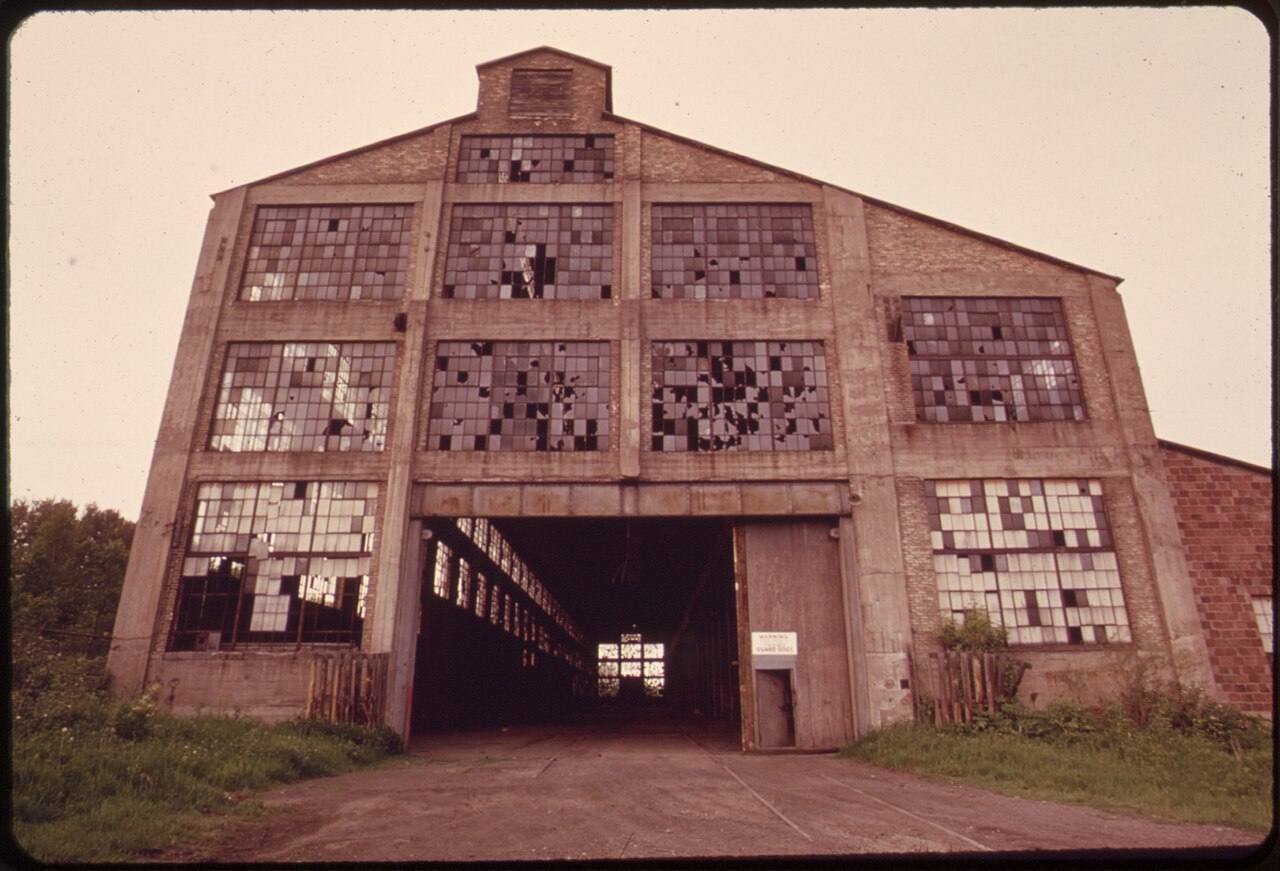
“The railroads are not just moving freight; they are moving the economy forward, yet they seem to be caught in a cycle of inefficiency and dispute.”
Labor Relations: A Double-Edged Sword
In recent months, labor disputes have taken center stage, highlighting the tension between labor unions and railroad management. Strikes and slowdowns have become all too common, leading to disruptions that ripple through the economy. Labor organizations argue that workers deserve fair wages and better working conditions, citing long hours and insufficient pay as key grievances.
On the other hand, railroad executives warn that excessive demands from unions may lead to increased freight costs, which could ultimately be passed on to consumers. This tug-of-war reflects a broader trend in American industry, where labor rights are often pitted against economic viability. The current climate raises critical questions: How much is too much when it comes to labor demands? And at what point does management's resistance become detrimental to the overall health of the industry?
The Regulatory Landscape
Adding to the complexity of rail freight is the evolving regulatory environment. The Interstate Commerce Commission (ICC) has been scrutinizing freight rates and service levels, aiming to ensure fair competition and prevent monopolistic practices. While regulation is essential to maintaining a level playing field, some industry leaders argue that excessive oversight stifles innovation and efficiency.
In this charged atmosphere, it is imperative to find a balance between regulatory oversight and allowing the market to dictate operations. The left calls for stringent regulations to protect workers and consumers, while critics from the right decry such measures as impediments to free enterprise. This polarization hampers constructive dialogue and the development of effective solutions.
“Regulation should support innovation, not stifle it. The balance is delicate and often mismanaged.”
Looking Ahead: Potential for Reform
As the nation contemplates its transportation future, there is a pressing need for reform in the rail freight sector. Solutions must be crafted through a collaborative approach that considers the interests of workers, management, consumers, and regulators alike. Stakeholders should engage in open discussions aimed at fostering innovation while ensuring fair labor practices.
Moreover, the advent of technology presents opportunities to modernize rail operations. While some railroads are resistant to change, embracing advancements could improve efficiency and reduce costs. The challenge lies in overcoming the inertia that often accompanies longstanding systems.
A Call for Unity
In conclusion, the rail freight industry stands at a crossroads. The excesses from both sides of the political spectrum - whether it be labor unions demanding more or management resisting necessary changes - have created a scenario that benefits no one. A collective effort is needed to bridge the divide, fostering an environment where rail freight can thrive without compromising the rights of workers or the demands of the market.
As we navigate this complex landscape, let us remember that the goal is not merely to defend our positions but to seek solutions that benefit the broader public. Only through cooperation and understanding can we hope to see the rail freight system operate at its full potential, delivering not just goods, but a robust economy.
✦ ✦ ✦