From the file. Written for the paper dated November 1974. Opened in the public stacks July 14, 2026.
As the fallout from Watergate continues to reverberate across the political landscape, a new public trust survey reveals troubling insights about the sentiment of the American populace towards their government, institutions, and the media.
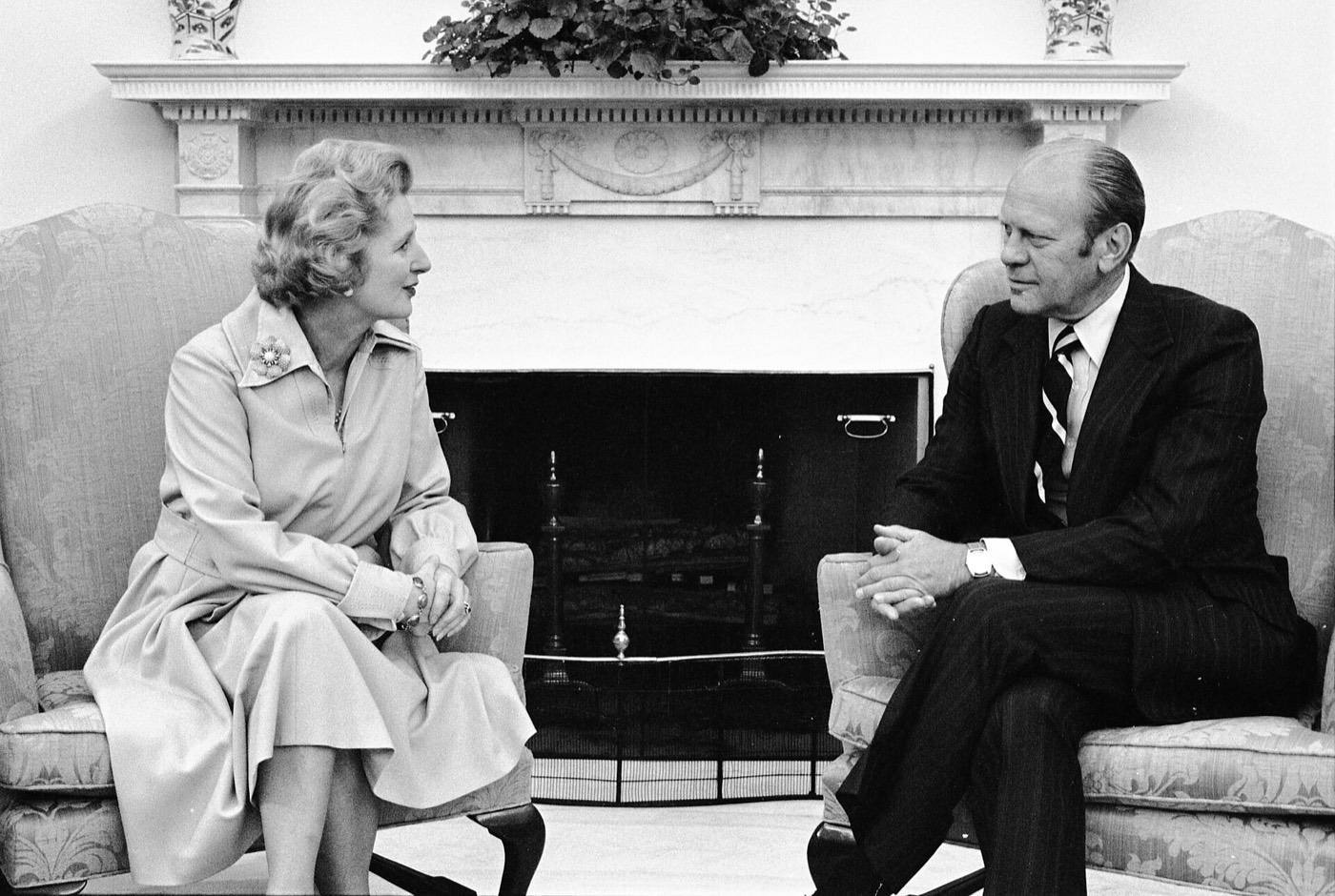
Public Sentiment in Flux
In recent weeks, a survey conducted by a leading polling organization has indicated that trust in government institutions has reached unprecedented lows. The results show that less than one-third of Americans express confidence in their elected officials, a stark contrast to the optimism that characterized the post-World War II era. This erosion of trust is not just a fleeting sentiment; it reflects deep-seated frustrations with both political parties and their inability to address the pressing concerns of the average citizen.
“We cannot afford to ignore the growing disillusionment among the populace. It is imperative that our leaders take these results seriously.”
The survey also highlights a significant division in public opinion along ideological lines. While left-leaning respondents often express skepticism towards government authority and the motives of elected officials, those on the right frequently voice concerns about government overreach and the expansion of federal power. This polarization complicates the path toward rebuilding trust, as each side seems more intent on amplifying their respective grievances than engaging in constructive dialogue.
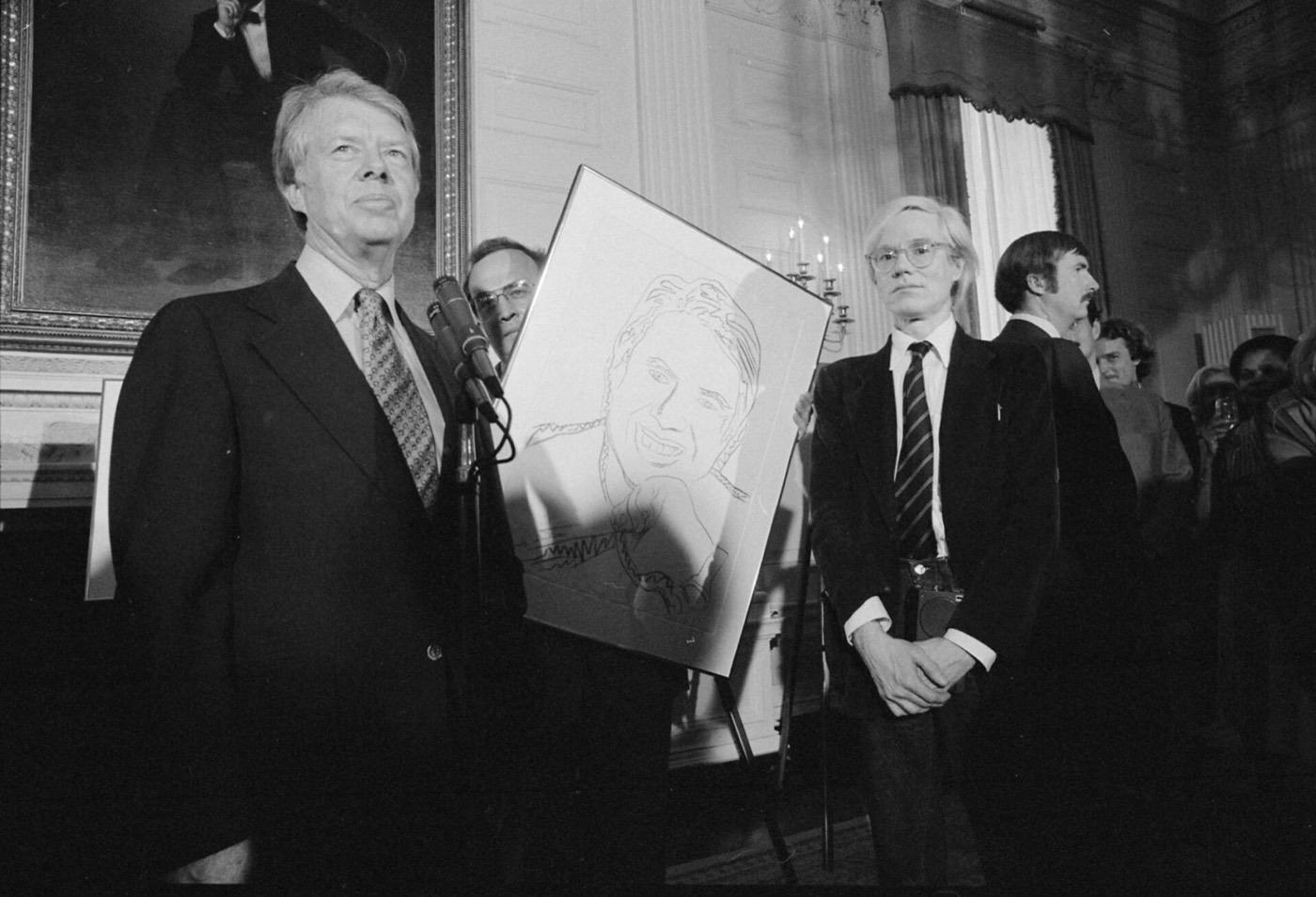
Left and Right: A Dangerous Game
The left, energized by grassroots movements and a desire for reform, often presents a narrative that vilifies traditional institutions. While their calls for transparency and accountability in government are legitimate, the rhetoric can sometimes devolve into an unyielding distrust of any and all authority. This stance risks fostering a culture where cooperation is replaced by confrontation, inhibiting the possibility of bipartisan efforts to restore credibility in governance.
On the other hand, the right has increasingly rallied around a populist message that champions individual liberties while simultaneously casting doubt on the effectiveness of government programs and services. This approach has its merits, yet the persistent attacks on the legitimacy of government itself can lead to a dangerous undermining of public institutions. The call for limited government must not translate into a complete abdication of responsibility for the common good.
A Call for Accountability
In light of these findings, it is clear that both political extremes must grapple with the implications of their narratives. The left must acknowledge that while demanding accountability is crucial, it cannot come at the expense of constructive engagement with the very institutions that can drive change. Similarly, the right must be cautious not to erode trust to the point where governance becomes untenable. A balanced approach is paramount in navigating this tumultuous landscape.
Moreover, the role of the media cannot be overlooked. Journalistic integrity is more important than ever in an age where misinformation can spread like wildfire. The media must strive to provide accurate, unbiased reporting that informs the public without stoking division. Trust in the media is equally critical, as it serves as a bridge between citizens and their government. A failure to uphold high standards may lead to further disenchantment among the populace.
Moving Forward
The path ahead will require a concerted effort from both sides of the political spectrum to foster a culture of collaboration rather than conflict. Leaders must prioritize the restoration of public trust as a fundamental component of their agendas. This will necessitate not only a commitment to transparency and accountability but also a willingness to engage with opposing viewpoints in good faith.
Ultimately, the strength of our democracy hinges on the trust that citizens place in their institutions and one another. As we reflect on the findings of this public trust survey, let us consider the implications for our collective future. If we are to move forward as a nation, we must work together to bridge the divides that currently plague our political landscape.
✦ ✦ ✦