From the file. Written for the paper dated November 1974. Opened in the public stacks July 14, 2026.
As our nation grapples with the implications of an aging population, it becomes increasingly clear that the conversation must extend beyond mere identity politics and focus on tangible evidence surrounding health, care, and societal impact.
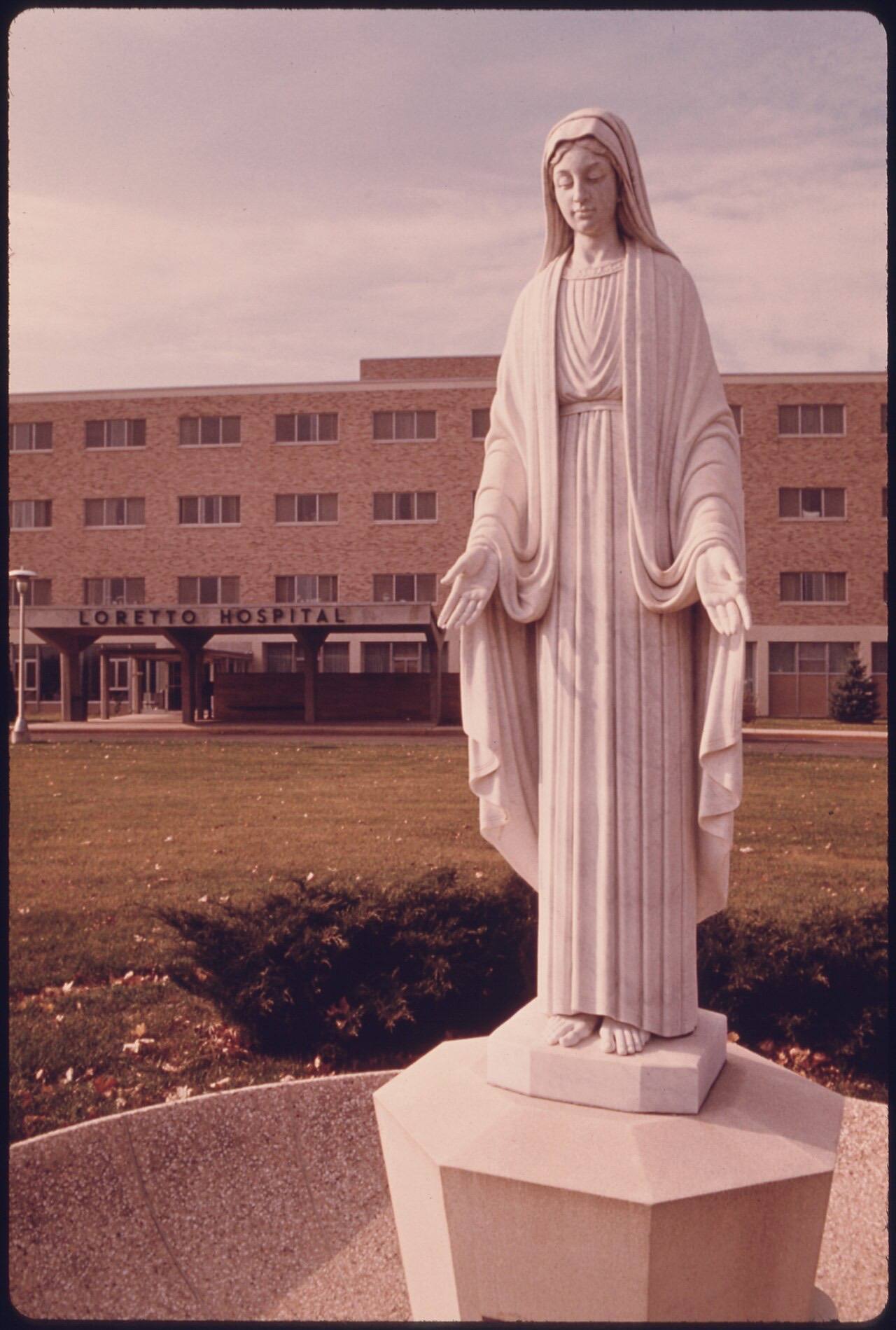
Aging America: A National Challenge
The demographic shift we are witnessing is unprecedented. According to recent projections, by the year 2000, the number of Americans aged 65 and older will exceed 30 million. This increase raises significant questions not only about healthcare provision but also about the very fabric of our society. Are we prepared to support this growing segment of the population? Will our systems for healthcare and social services hold up under the strain?
It is essential that we approach the issue of aging with a clear-eyed perspective - one that prioritizes evidence over the often emotionally charged rhetoric that can cloud our understanding. The left and right have both fallen prey to extremes in their narratives. The left tends to champion the elderly through the lens of identity, presenting them as victims in need of protection. While this sentiment is noble, it can obscure the real needs and capabilities of older adults.

Conversely, the right often minimizes the challenges posed by an aging population, promoting the idea of personal responsibility without acknowledging the systemic changes required to accommodate a demographic shift of this magnitude. This approach not only neglects the realities many face as they age but also risks alienating a significant portion of our population that deserves attention and support.
Healthcare: A Growing Concern
One of the most pressing issues related to the aging population is healthcare. With life expectancy increasing, many individuals are living longer but not necessarily healthier lives. Chronic conditions such as heart disease, diabetes, and arthritis are becoming more prevalent. This reality brings to light the urgent need for a robust healthcare system that can adapt to the unique needs of older patients.
The current healthcare infrastructure is not adequately equipped to handle the anticipated influx of elderly patients. There is a growing need for specialized care, geriatric expertise, and innovative health services that focus on prevention and management of chronic conditions. The left’s proposals for expanded Medicare and socialized health systems are appealing but often lack practical implementation strategies. Meanwhile, the right’s call for market-driven solutions does not address the immediate needs of those who are already struggling to navigate the existing system.
“We must prioritize evidence-based solutions that focus on the health and well-being of our aging population, rather than getting lost in ideological battles.”
Social Services: Bridging the Gap
Social services also play a crucial role in supporting the aging population. Programs designed to assist older adults must be adequately funded and accessible. The challenges of isolation, mental health, and mobility are all heightened in older age, and our current systems must adapt to provide comprehensive support. The left advocates for increased funding for social services, yet their proposals often do not sufficiently address the need for efficiency and accountability in these programs.
On the other hand, the right’s emphasis on privatization may lead to a reduction in services available to low-income seniors, exacerbating the challenges faced by this vulnerable population. It is essential that we find common ground that allows us to create a social safety net that both supports our elderly citizens and ensures the sustainability of these programs.
Community Engagement: The Key to Success
Community engagement is paramount in addressing the needs of an aging population. Local initiatives that foster intergenerational relationships can help combat isolation and create a supportive environment for older adults. Both sides of the political spectrum can unite in promoting volunteerism and community programs that encourage active participation from all age groups. This approach not only benefits the elderly but also enriches the lives of younger generations.
However, community engagement should not be relegated to feel-good rhetoric. It must be substantiated with funding and resources that allow these programs to flourish. Too often, political debates become trapped in cycles of blame and finger-pointing, rather than focusing on actionable solutions that can bridge gaps in service delivery.
A Call for Balanced Dialogue
As we confront the realities of an aging population, it is imperative that we foster a dialogue that is grounded in evidence rather than extremes. The left and right both have their merits, but each must temper their rhetoric with practical solutions that address the unique challenges of aging.
We can no longer afford to view the elderly solely through the lens of political affiliation or identity. This demographic shift affects us all, and it demands a unified approach that prioritizes health, accessibility, and community support. By focusing on these areas, we can ensure that our society is equipped to meet the needs of its aging members with dignity and respect.
✦ ✦ ✦