From the file. Written for the paper dated October 1974. Opened in the public stacks July 14, 2026.
As public clinics grapple with mounting pressures from both governmental and grassroots advocates, the disparity between lofty claims and the stark realities on the ground has become increasingly apparent. This week, we delve into the state of public clinics across the nation, examining the promises made by policymakers and the lived experiences of those who rely on these facilities for basic health care.
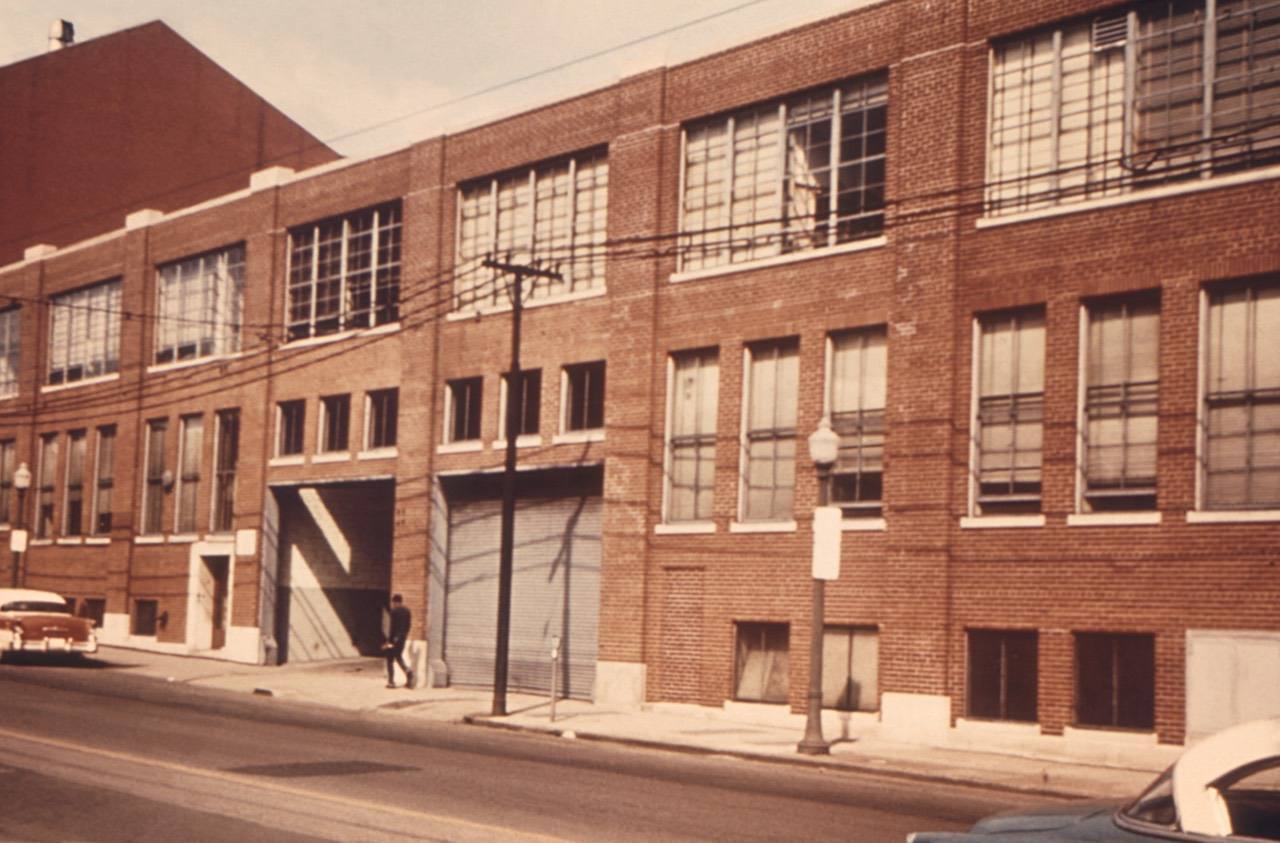
The Promises of Public Health
In recent months, the rhetoric surrounding public health clinics has reached a fever pitch. Advocates on the left tout the expansion of services and accessibility as a major victory in the fight for equitable health care. They assert that underfunded clinics are finally receiving the attention they deserve, with new funds allocated to enhance services and reach underserved populations. However, the reality for many patients paints a different picture.
On the other side, critics from the right argue that the public health system is bloated and inefficient, calling for cuts to what they perceive as wasteful spending. They contend that reliance on government-run clinics breeds complacency and stifles innovation in health care delivery. While some of these critiques may hold merit, the ongoing erosion of funding for essential services threatens to leave some of our most vulnerable citizens without adequate care.
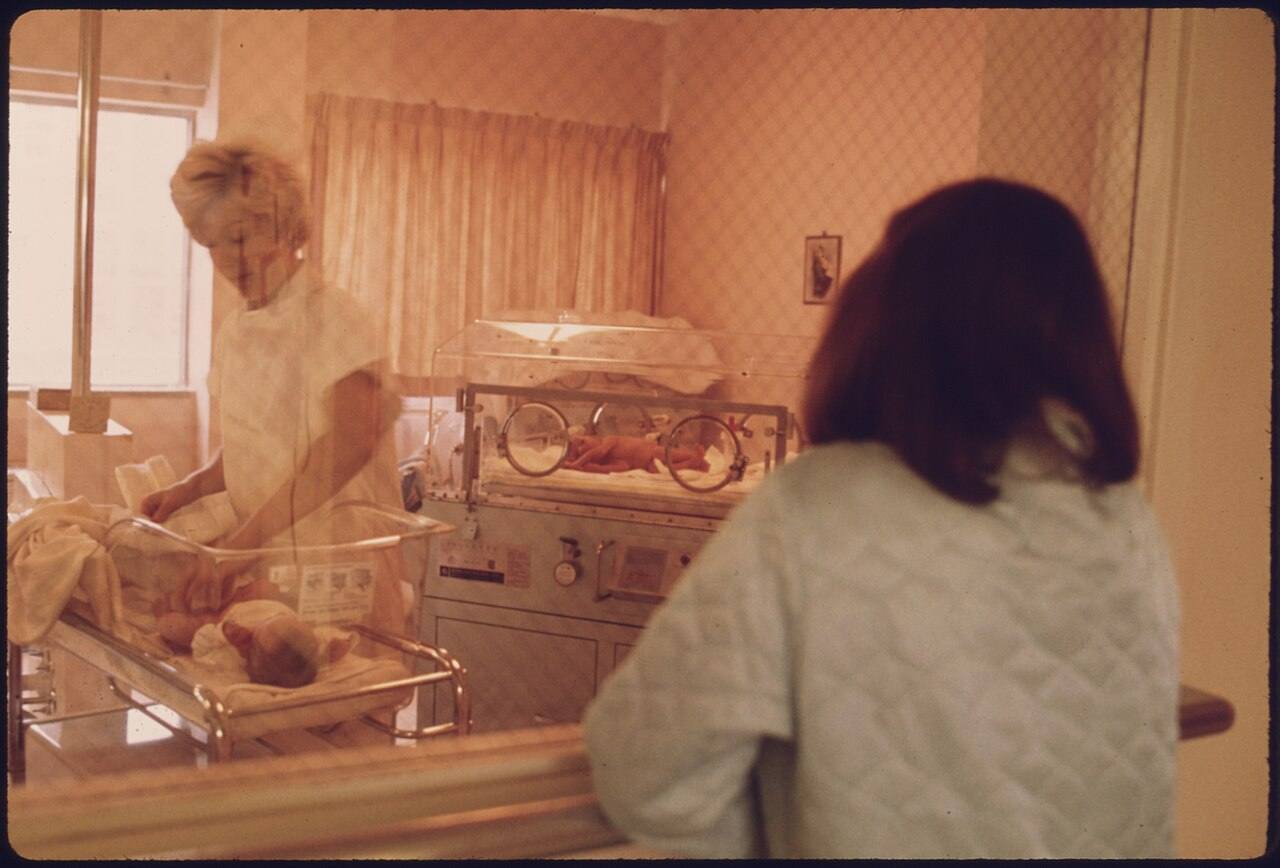
The Reality in Public Clinics
A visit to any public clinic can reveal the challenges that lie beneath the surface of political posturing. Long wait times, outdated facilities, and a scarcity of medical personnel are common complaints among patients. Many clinics are overwhelmed, struggling to meet the demand for services while juggling limited resources.
For instance, a recent tour of a public clinic in an urban area showcased the stark contrast between the narrative pushed by city officials and the actual conditions faced by patients. Patients waiting for hours were often left wondering if the promised improvements were merely an illusion, crafted to placate advocates and voters alike. The clinic's staff, stretched thin and overworked, lamented the lack of support and funding needed to truly make a difference.
"We are doing our best, but we need more resources to meet the community's needs," a nurse at the clinic expressed, highlighting the disconnect between policy and practice.
While there are indeed pockets of progress within the public health system, such as new outreach programs aimed at improving health literacy, these commendable initiatives often fall short of addressing the systemic issues that plague many clinics. As advocates rally for reform, it is crucial to ensure that their efforts translate into tangible improvements rather than empty promises.
Excesses on Both Sides
The debate surrounding public health clinics has become emblematic of larger ideological battles playing out across the country. On one hand, the left's passionate advocacy for expanded services can sometimes border on idealism, neglecting the realities of implementation and sustainability. The push for universal health care - while noble in intent - must be grounded in practical solutions that consider the complexities of our existing system.
Conversely, the right's calls for austerity can veer into dangerous territory, often prioritizing budgetary constraints over the health and well-being of vulnerable populations. The reluctance to invest in public health can exacerbate existing inequities, leaving those who rely on clinics in an even more precarious position.
As the nation moves forward, it is essential for both sides of the political spectrum to engage in constructive dialogue rather than resorting to partisan rhetoric. The health of our citizens should not be a battleground but rather a shared concern that demands thoughtful solutions.
A Call for Accountability
The time has come for a recalibration of priorities in our public health system. Advocacy must be coupled with accountability; claims of progress should be matched with evidence of improvement. As citizens, we must demand transparency and effectiveness from our public health clinics, ensuring that they deliver on their promises to the communities they serve.
In this critical juncture, it is vital that we hold both sides accountable, urging them to rise above political posturing and focus on what truly matters - the health and well-being of the American people. The future of public clinics hangs in the balance, and we must advocate for a system that prioritizes access, quality, and sustainability.
✦ ✦ ✦