From the file. Written for the paper dated September 1974. Opened in the public stacks July 14, 2026.
The role of special counsel has become a focal point in our national discourse, especially as the Watergate scandal continues to unfold. As we grapple with the implications of these investigations, it is imperative to reflect on how institutions, both governmental and judicial, protect themselves in these turbulent times.
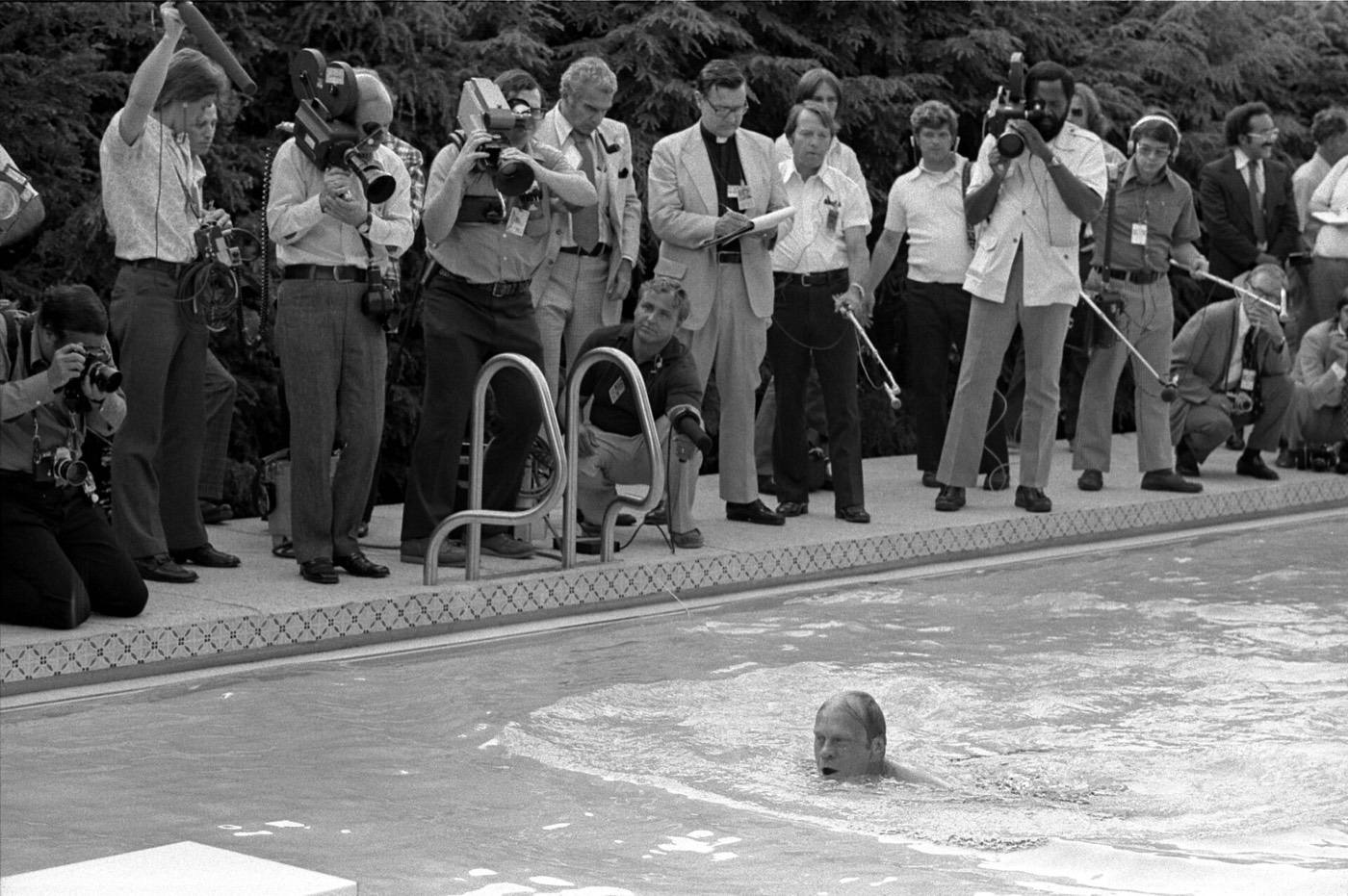
The Institutional Shield
As the nation watches the special counsel's investigation into the executive branch, it's crucial to consider how these legal frameworks, designed to maintain accountability, often become shields for the very institutions they purport to scrutinize. The Watergate affair has revealed the fragility of trust between the public and the government, yet it also underscores the lengths to which those in power will go to safeguard their interests.
The appointment of a special counsel was initially intended as a safeguard against the potential for bias in the investigation of the president and his inner circle. However, as we have seen with the unfolding events surrounding the hearings, this mechanism can be manipulated to protect not only individuals but entire institutions. It raises the question: are we witnessing a genuine pursuit of justice, or a calculated effort to preserve the status quo?
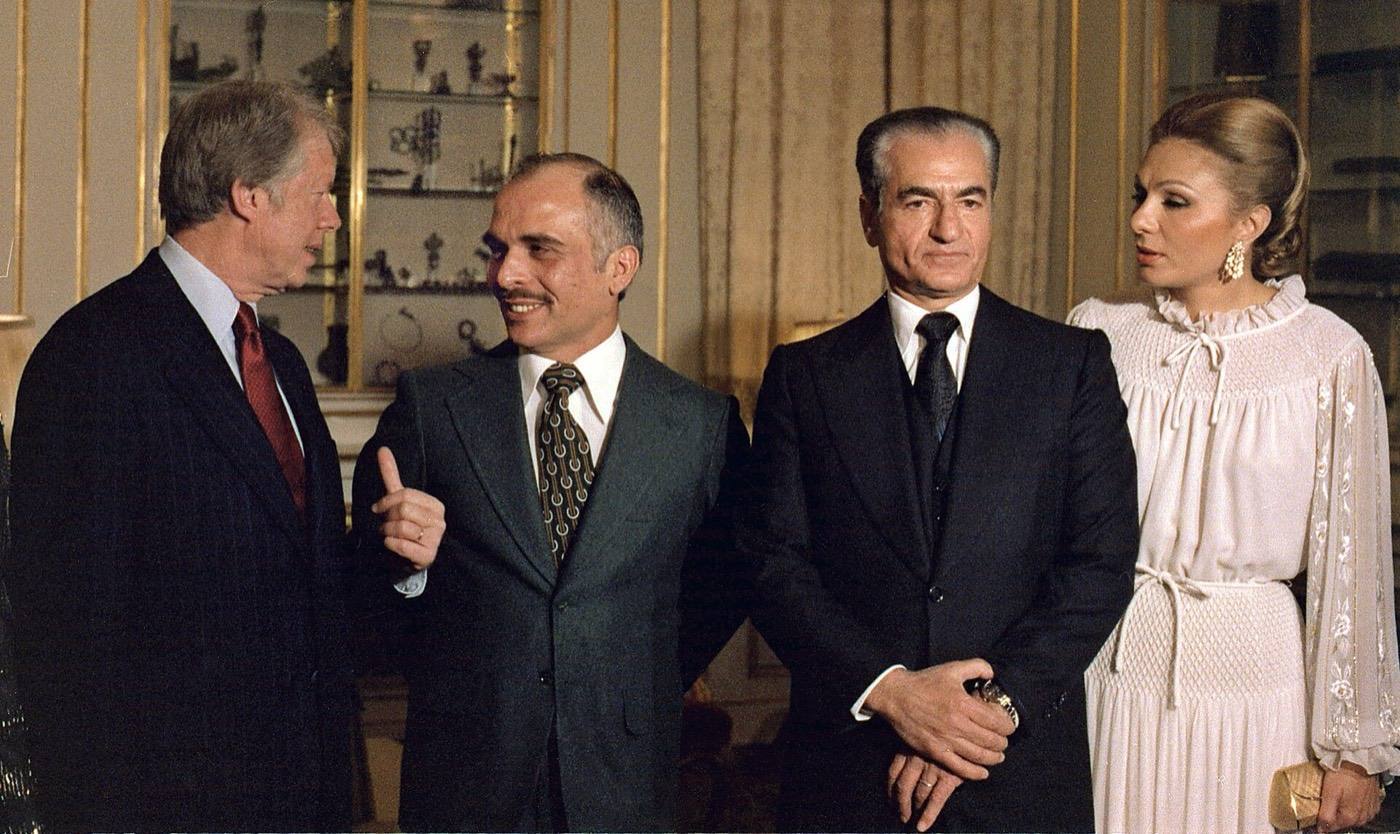
"When institutions prioritize their own survival over transparency, the public loses faith."
The Watergate scandal is not merely a story of political corruption; it is also a narrative about the institutional inertia that allows such corruption to flourish. As the special counsel gathers evidence, there are growing concerns that the process itself may be more about the protection of institutional reputations than about uncovering the truth. This is particularly alarming when we consider the profound implications for democracy and governance.
Left and Right: A Battle of Excesses
In this climate of heightened tension, we find ourselves ensnared in a battle between left and right excesses. On one hand, the left zealously pursues accountability, often resorting to tactics that border on the sensational. This fervor can sometimes overshadow the fundamental principles of due process and fairness. The rush to judgment can lead to an environment where accusations become facts, and the reputations of individuals are irreparably tarnished without sufficient evidence.
Conversely, the right often rallies to defend those in power, undermining legitimate investigations in the name of loyalty and party affiliation. This knee-jerk reaction can obstruct the pursuit of justice and foster a culture of impunity. Instead of fostering an environment of accountability, this reaction can lead to a chilling effect on whistleblowers and those willing to come forward with information.
“Both sides seem to be more interested in winning the political battle than in pursuing the truth.”
As the special counsel’s investigation continues, it is crucial for both sides to reflect on their approaches. The specter of partisanship should not overshadow the need for an impartial investigation. The American public deserves transparency, and it is the duty of both ends of the political spectrum to ensure that the process is not tainted by bias or excessive zeal.
The Role of the Media
The media plays an indispensable role in this dynamic, serving both as a watchdog and as a potential participant in the excesses of the left and right. With the stakes so high, the responsibility to report fairly and accurately has never been more pressing. Yet, the sensationalism that often permeates media coverage can further exacerbate divisions, leading to a public that is misinformed and polarized.
As journalists, we must strive to maintain a commitment to integrity and objectivity. The desire for ratings and readership should not come at the expense of truth. It is our responsibility to provide context and to challenge narratives that may serve only to deepen the chasm between political factions.
As we navigate this complex landscape, it is essential to remain vigilant. The special counsel’s investigation must be allowed to proceed unimpeded, with a commitment to uncovering the truth, even if it means confronting uncomfortable realities. The American people deserve nothing less than an unvarnished account of the events that have transpired.
✦ ✦ ✦