From the file. Written for the paper dated September 1974. Opened in the public stacks July 14, 2026.
As the debate over nuclear energy continues to intensify, recent inspections reveal a troubling trend: institutions may be more focused on protecting themselves than ensuring the safety of the public.
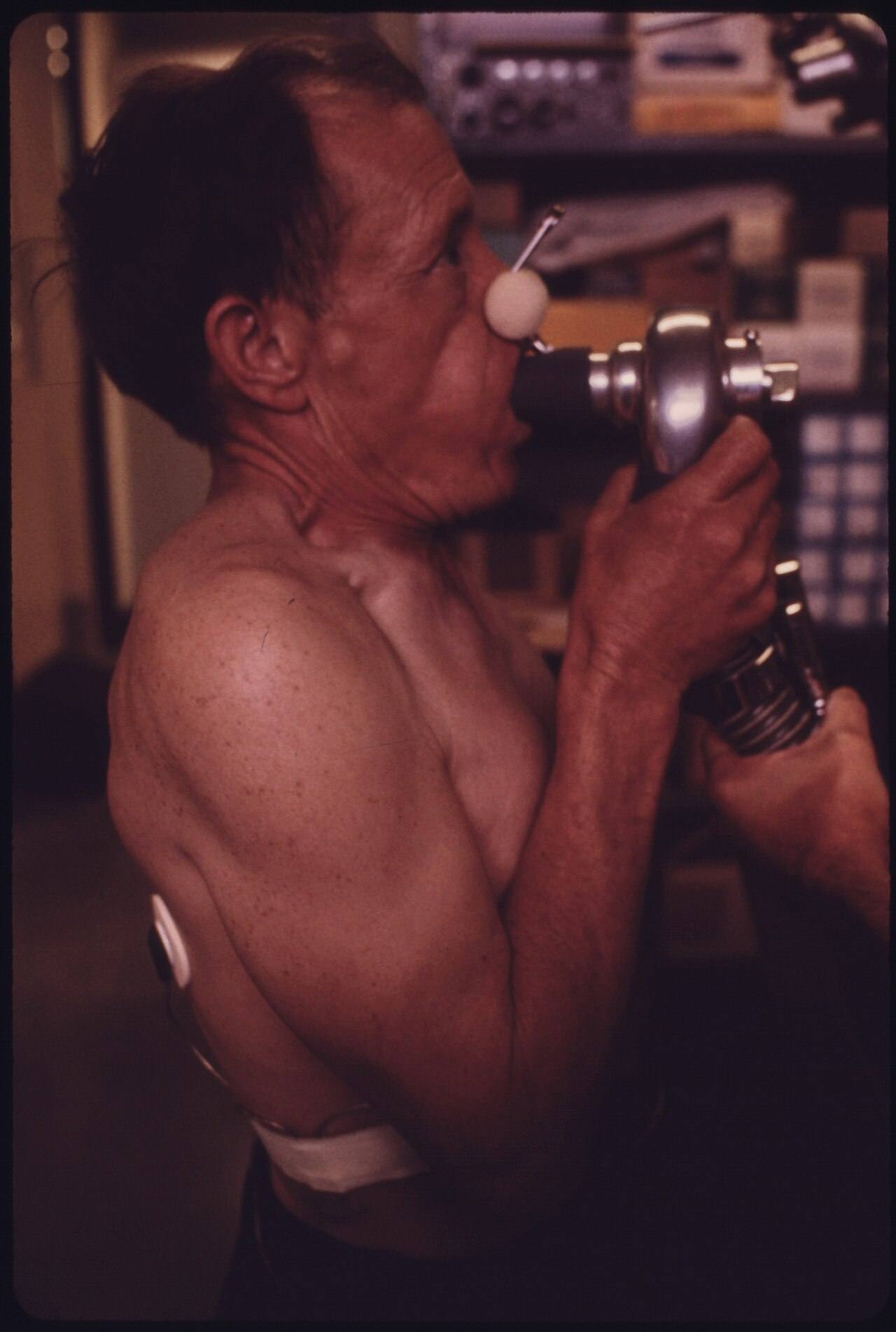
A System Under Scrutiny
The recent inspections of nuclear power plants across the country have raised alarms not only about the safety protocols in place, but also the motivations behind these inspections. While the push for nuclear energy has often been framed as a necessary step forward in energy independence, the mechanisms of oversight appear to be failing in their primary responsibility - protecting the public.
In a climate where energy demands are high, the urgency to expand nuclear energy facilities has led to a pattern of oversight that prioritizes institutional reputation over genuine safety. Reports indicate that many inspections are performed with a cursory approach, where the focus appears to be on meeting regulatory requirements rather than uncovering potential hazards. This shift in priorities raises questions about the effectiveness of the agencies charged with protecting public safety.
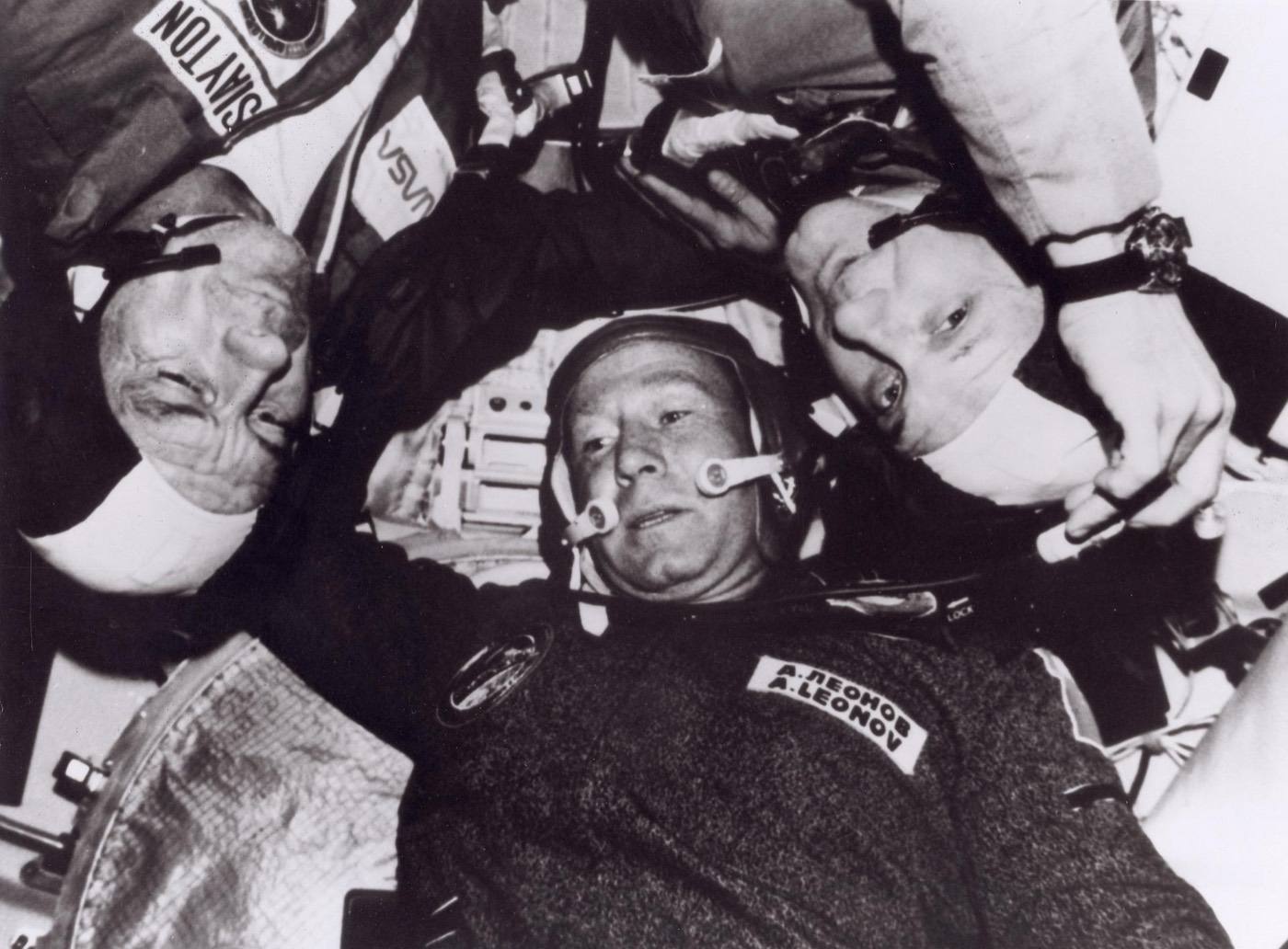
“The people deserve better than a system that prioritizes self-preservation over safety.”
Inspection Protocols: A Closer Look
Current inspection protocols, as outlined by the Nuclear Regulatory Commission (NRC), demand thorough evaluations of operational safety and plant integrity. However, insiders suggest that the pressure to adhere to political and corporate agendas often leads to a more lenient interpretation of these protocols. The prevailing culture in many regulatory bodies appears to lean towards compliance with industry standards rather than strict enforcement of safety measures.
Moreover, the revolving door between regulatory agencies and the nuclear industry creates a potential conflict of interest that could undermine the inspection process. Former industry executives now hold key regulatory positions, leading to the perception that inspections may be more about appeasing the industry than about safeguarding public health. The implications of such a culture are profound, as they invite skepticism from both the public and advocacy groups concerned about the potential ramifications of a nuclear accident.
Political Ramifications
The nuclear energy debate is further complicated by the political landscape. On one side, proponents of nuclear energy tout its potential as a clean and efficient power source. However, this enthusiasm often glosses over significant concerns regarding safety and waste management. On the other hand, opponents of nuclear energy present a stark view filled with fear and anxiety over potential disasters, drawing from historical precedents like Three Mile Island and Chernobyl.
Unfortunately, both extremes have contributed to a polarized discourse that stifles productive conversation about the future of nuclear energy. The left's insistence on halting nuclear development often overlooks the pressing need for energy alternatives, while the right's push for expansion can neglect the legitimate safety concerns that accompany nuclear technology. This binary thinking obstructs a nuanced understanding of the complexities involved in nuclear energy and its role in our energy future.
Public Perception and Trust
Public trust in regulatory bodies is at an all-time low, exacerbated by a series of high-profile incidents that have underscored the failures of oversight. When citizens hear vague assurances from officials that everything is under control, skepticism reigns. As the stakes grow higher, so does the public's demand for transparency and accountability.
Moreover, the lack of clear communication from regulatory agencies only deepens the mistrust. Citizens are increasingly questioning whether the information being provided is genuinely reflective of the reality on the ground or simply a façade designed to quell fears. The gap between the public's perception and the reality of safety measures in place is widening, creating an environment ripe for misinformation and fear-mongering.
Moving Forward
To address these challenges, both regulatory bodies and industry leaders must take proactive steps to restore confidence in nuclear energy as a viable option. This requires a commitment to transparency and a willingness to engage with the public in a meaningful way. It means re-evaluating inspection protocols to ensure they are rigorous and truly focused on safety rather than mere compliance.
Furthermore, efforts must be made to bridge the political divide surrounding nuclear energy. Constructive dialogue that includes a range of perspectives is essential for developing comprehensive energy policies that prioritize safety and sustainability. Only through collaboration can we hope to find solutions that address the energy crisis without compromising public safety.
Conclusion
The current state of nuclear plant inspection reveals a troubling dynamic where institutional protectionism risks overshadowing the fundamental goal of public safety. As we navigate the complexities of energy policy, it is imperative that we hold regulatory bodies accountable and demand a higher standard for oversight. The future of nuclear energy depends not just on technology, but on the trust we place in those who govern it.
✦ ✦ ✦