From the file. Written for the paper dated August 1974. Opened in the public stacks July 14, 2026.
As labor strikes proliferate across various sectors, the nation finds itself at a crossroads, grappling with the implications for both workers and industry leaders.

The Rise of Labor Strikes
The summer of 1974 has proven to be a hotbed of labor unrest, with strikes erupting in industries ranging from transportation to manufacturing. Workers, emboldened by an economy that seems to favor corporate profits over fair wages, are demanding better pay, improved working conditions, and job security. Meanwhile, industry leaders are caught in a bind, facing pressure from shareholders to maintain profitability while addressing the very real grievances of their workforce.
The Left's Perspective
Progressive voices on the left have rallied around the striking workers, painting them as heroes standing up against corporate greed. They argue that the labor movement is not merely seeking better wages but is fighting for the rights and dignity of the working class. The rhetoric is passionate and often incendiary, calling for sweeping reforms and advocating for stronger union representation.
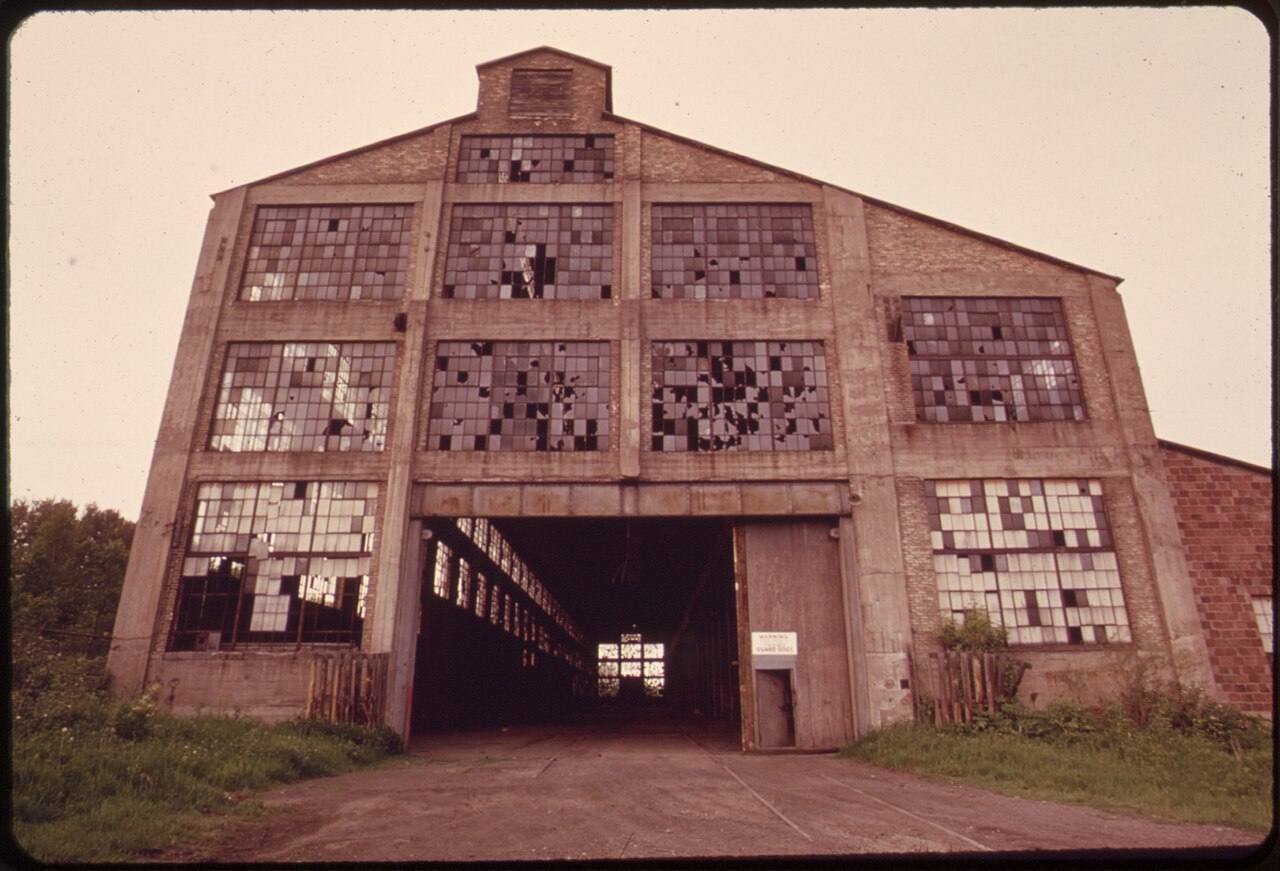
"We must empower the workers, for they are the backbone of our economy." - A prominent labor leader
However, this fervor can sometimes overlook the complexities of the situation. While the call for solidarity is commendable, the left risks alienating moderate voices who understand that a balanced approach is necessary for sustainable progress. A confrontational stance may lead to more entrenched positions, exacerbating tensions between workers and management.
The Right's Reaction
On the opposite end of the spectrum, conservative commentators have been quick to critique the strike actions, framing them as reckless and detrimental to the economy. They argue that labor unions have become too powerful and that their demands threaten to destabilize industries critical to national interests. This perspective is rooted in a belief that free enterprise should prevail, and that excessive regulation and union influence stifle innovation and growth.
"Strikes are a symptom of a larger problem - too much power in the hands of unions." - A leading business analyst
Yet, in their haste to defend corporate interests, some voices on the right risk dismissing the legitimate concerns of workers. By neglecting to acknowledge the struggles faced by the average worker in an economy marked by inflation and stagnation, there is a danger of fostering resentment and division within the workforce. A dismissive attitude toward labor issues could ultimately backfire, leading to increased unrest and opposition.
A Call for Balance
The ongoing strikes serve as a stark reminder that the relationship between labor and management is complex and requires a nuanced understanding. Both sides must recognize that extremes on either end of the political spectrum do not serve the interests of the nation as a whole. The reality is that a thriving economy depends on the collaboration of workers and management, where both parties feel heard and valued.
Constructive dialogue is paramount. Labor leaders must be willing to engage in negotiations that consider the economic realities facing businesses, while corporate leaders must acknowledge the sacrifices made by workers. A middle ground could lead to agreements that satisfy both the need for fair compensation and the necessity of economic viability.
The Road Ahead
As we move forward, it is imperative that both sides resist the temptation to entrench themselves in rigid ideologies. The current wave of strikes is not merely a labor issue; it is a reflection of broader societal tensions that require thoughtful engagement. If the left can temper its calls for radical reform with a willingness to negotiate, and if the right can recognize the importance of fair labor practices, there may be hope for a resolution that benefits all parties involved.
The stakes are high, and the potential for both growth and conflict looms large. The challenge lies in finding a way for both labor and management to work together towards an equitable solution that upholds the dignity of workers while maintaining the integrity of the businesses that fuel our economy.
✦ ✦ ✦