From the file. Written for the paper dated July 1974. Opened in the public stacks July 14, 2026.
In the tangled web of modern journalism, the rise of "team journalism" presents both opportunities and pitfalls that merit close examination. As we find ourselves in July 1974, the implications of this collaborative approach to news reporting are unfolding before our eyes, revealing what often gets left out of the briefings.

The Allure of Team Journalism
Team journalism has garnered accolades for its promise of comprehensive coverage and diverse perspectives. By pooling resources and expertise, journalists aim to deliver stories that are richer and more nuanced than those produced in isolation. This collaborative model can lead to groundbreaking investigative reporting, as seen in the wake of the Watergate scandal, where multiple reporters joined forces to unveil the depths of governmental corruption.
However, the very nature of team journalism also raises concerns about uniformity and the dilution of individual voice. As reporters work in groups, there is a temptation to prioritize consensus over dissenting opinions. A singular narrative can emerge, often omitting critical viewpoints that do not align with the team's prevailing perspective. In a climate where objectivity is paramount, this phenomenon can dangerously skew the truth.
What Gets Left Out?
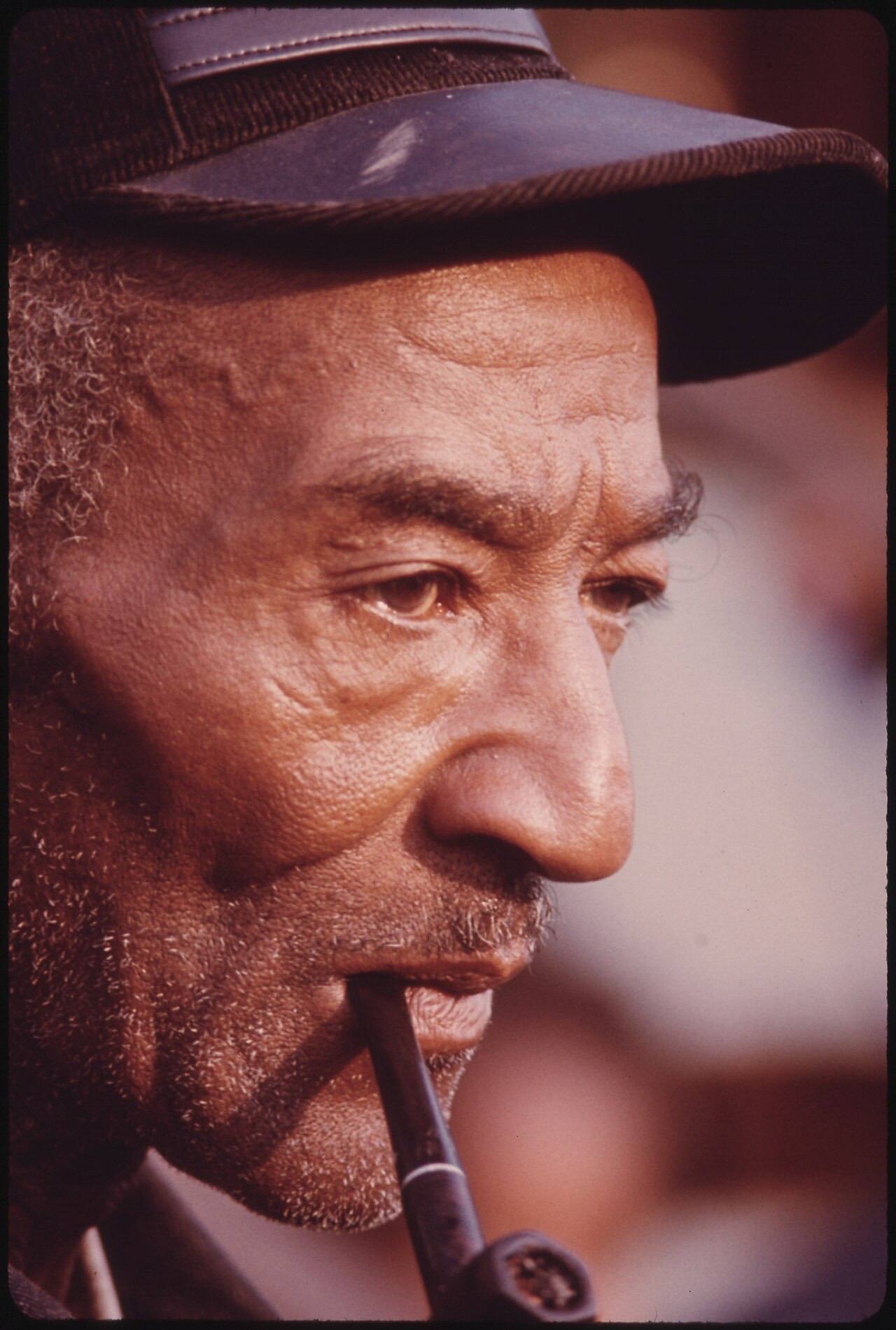
The danger of homogenized reporting becomes particularly evident when examining the subjects that are left out of the conversation. In an age where sensationalism often trumps substance, marginalized voices risk being silenced in favor of more palatable narratives. Issues affecting minority communities, labor rights, and anti-war activists may find themselves relegated to the sidelines, their complexities oversimplified or ignored altogether.
"In the quest for a cohesive story, the nuances of dissent are often lost."
Furthermore, the pressure to produce rapid results can lead to a lack of thorough fact-checking and research. The urgency of deadlines in team settings may result in a reliance on second-hand information, which compromises the integrity of the reporting process. In striving for a unified front, teams may inadvertently sacrifice depth for speed, leaving readers with a diluted version of reality.
Criticism from Both Sides
The left and right extremes of the political spectrum have criticized team journalism for different reasons. On one side, progressive voices argue that the mainstream narratives pushed by team journalism often uphold the status quo, marginalizing radical perspectives that could challenge systemic injustices. They assert that in an effort to appeal to a broad audience, journalists may shy away from contentious issues that demand attention.
Conversely, conservatives have lambasted team journalism for its perceived liberal bias, accusing it of promoting a narrative that is steeped in leftist ideology. They contend that the tendency to form teams of like-minded journalists leads to an echo chamber effect, wherein only a singular worldview is propagated, alienating those with differing opinions. This criticism, while perhaps exaggerated, underscores a growing distrust in the media's ability to deliver impartial news.
Finding Balance in Reporting
As we navigate this complex landscape, it is essential for journalists to strive for a balanced approach. Individual reporters must be empowered to voice dissenting opinions within team settings, ensuring that diverse perspectives are represented. Editorial boards should encourage robust debates that challenge the prevailing narratives, rather than merely reinforcing them.
Moreover, news organizations must prioritize transparency with their audiences. By openly discussing the decision-making processes behind story selection and the potential biases inherent in team journalism, they can foster greater trust among readers. This transparency will help demystify the often convoluted workings of newsrooms and allow the public to engage more critically with the information presented to them.
The Path Forward
In conclusion, while team journalism has the potential to enhance the field of reporting, it is not without its pitfalls. By critically examining what gets left out of briefings and actively working to include diverse voices, journalists can ensure that the stories they tell are not only comprehensive but also reflective of the complexities of our society. It is a delicate balance that requires vigilance, integrity, and a commitment to the truth.
✦ ✦ ✦