From the file. Written for the paper dated June 1974. Opened in the public stacks July 14, 2026.
The intricacies of supply chain management have taken center stage in the American economy as businesses grapple with fluctuating costs and consumer demand that seems to shift daily. In examining the current state of our supply chains, it is critical to delve into the numbers that define the challenges and opportunities facing commerce today.

Current Trends in Supply Chain Dynamics
Across the nation, manufacturers are contending with a myriad of pressures that impact the flow of goods. Reports indicate that while some industries are experiencing a resurgence, others are lagging, revealing a mixed bag of outcomes. For instance, automobile production has ramped up, yet the steel industry faces shortages due to labor strikes and international competition. This dichotomy illuminates the fragility of our supply chains.
As we analyze these trends, it is evident that the rising costs of raw materials and labor are squeezing margins for many producers. The escalating price of oil has sent shockwaves through transportation costs, which are a crucial component of supply chain economics. Companies are being forced to make difficult decisions about pricing, inventory, and even the viability of certain product lines.
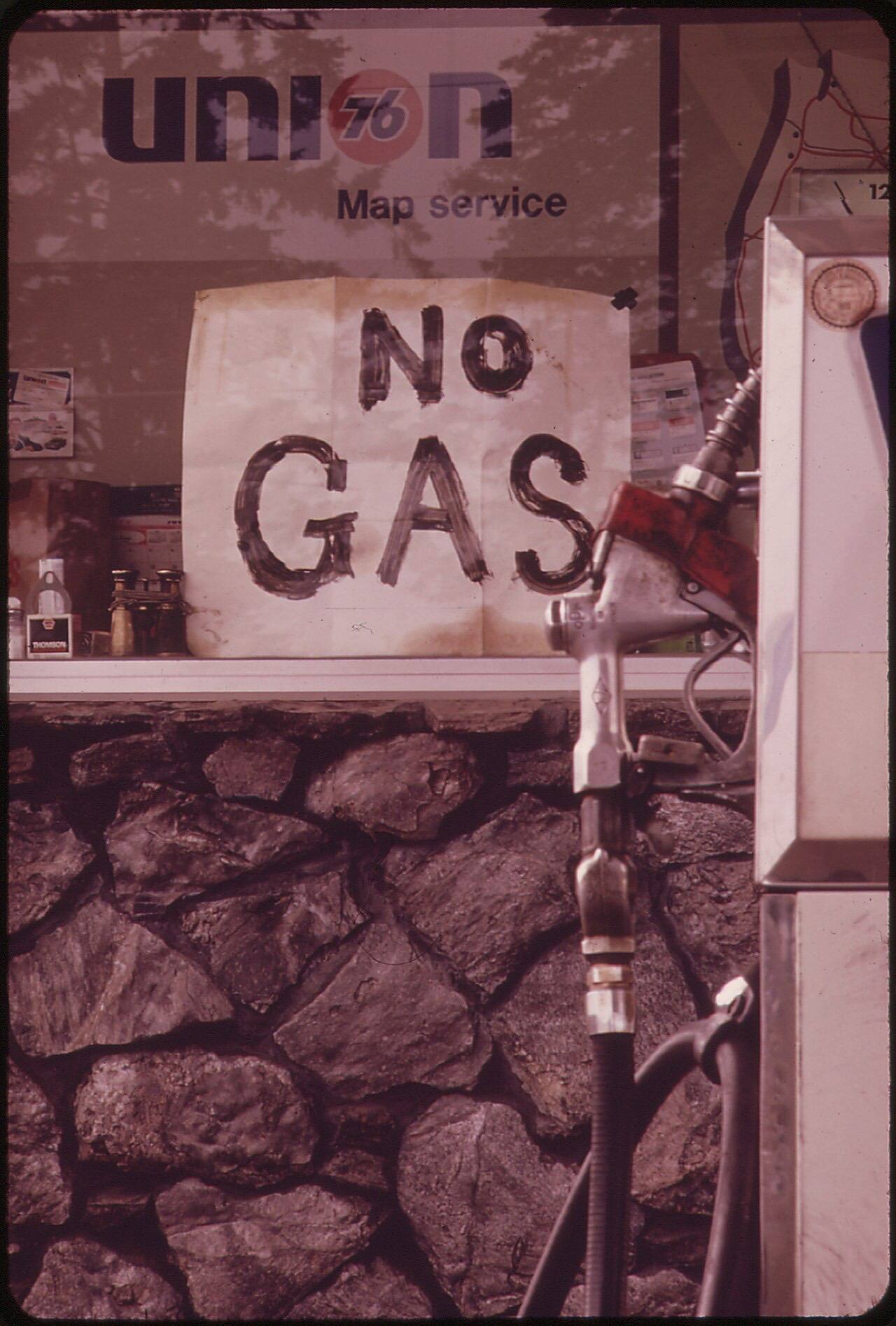
"The interplay between supply and demand is more delicate than ever, forcing businesses to adapt or perish."
Moreover, consumer behavior has shifted in response to the economic climate. As inflation rises, buyers are becoming more discerning, prompting many retailers to rethink their inventory strategies. This has led to a phenomenon where distributors are either overstocked or understocked, depending on how accurately they gauge consumer preferences. The results are evident in empty shelves in some stores and surplus goods in warehouses elsewhere.
Labor Struggles and Their Impact
Labor strikes have become a recurring theme, with workers demanding better wages and conditions. While their grievances are valid, the resulting disruptions further complicate supply chain management. The automotive and steel industries are particularly hard hit, leading to questions about the sustainability of production outputs moving forward.
In this complex landscape, businesses must navigate not just the demands of their consumers but also the realities of labor negotiations. Some companies are turning to automation to alleviate the dependency on human labor, but this shift raises ethical questions about job displacement and the future of work. The balance between efficiency and social responsibility is becoming increasingly challenging.
Government Regulations and Their Effects
On the regulatory front, government policies continue to shape the supply chain landscape. Recent measures aimed at curbing inflation could inadvertently stifle growth in key sectors. While the intention behind such regulations may be commendable, the execution often leads to unintended consequences, creating a labyrinth of compliance for businesses to navigate.
Furthermore, the debate around environmental regulations adds another layer of complexity. Companies are increasingly being held accountable for their environmental impact, which, while necessary, can complicate supply chain operations. The pressure to adopt greener practices can sometimes clash with the economic realities of production, leading to a contentious dialogue between business interests and environmental stewardship.
"The regulatory environment is a double-edged sword, potentially stifling innovation while aiming to protect the public interest."
Looking Ahead: Strategic Adaptations
As we look to the future, companies must adopt a proactive approach to supply chain management. This means investing in technology that provides greater visibility and flexibility. Companies that can anticipate changes in demand and adapt their supply chains accordingly will be better positioned to thrive in this unpredictable environment.
In addition, fostering stronger relationships with suppliers and logistics partners is crucial. By building trust and transparency, businesses can mitigate risks associated with supply chain disruptions. This collaborative approach can lead to more efficient operations and a better understanding of challenges that may arise.
✦ ✦ ✦