From the file. Written for the paper dated March 1974. Opened in the public stacks July 14, 2026.
As federal agencies continue to expand their reach into the lives of American citizens, the question of rulemaking oversight looms larger than ever. The balance between governmental authority and individual rights appears increasingly compromised, signaling a quiet failure in the oversight mechanisms that should govern such processes.
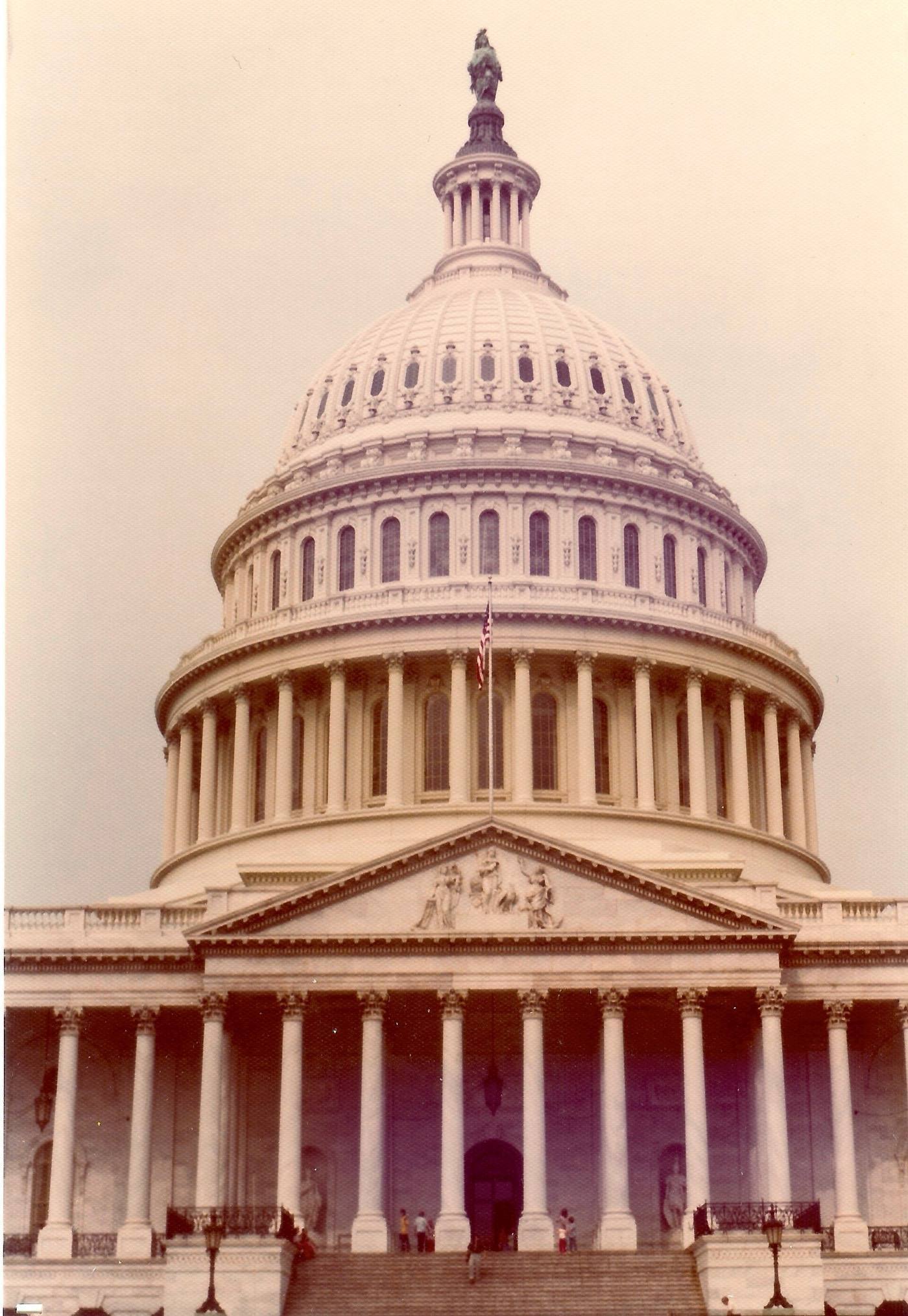
A Growing Bureaucratic Landscape
The proliferation of federal agencies in recent decades has given rise to a complex web of regulations that touch nearly every aspect of American life. From environmental protections to labor laws, these rules are intended to serve the public good, yet they often come with a cost - namely, the erosion of individual freedoms and the imposition of bureaucratic red tape.
These agencies, armed with the power to create rules that can have far-reaching consequences, operate with a considerable degree of autonomy. This autonomy, while necessary for effective governance, has led to a situation where oversight is often minimal and accountability can be lacking. The public is left wondering whether their interests are genuinely represented or if they are merely pawns in a bureaucratic game.

"The balance between governmental authority and individual rights appears increasingly compromised."
The Left's Overreach
On the left, the advocacy for stringent regulations often stems from a desire to protect the environment and vulnerable populations. However, this very zeal can lead to an overreach that stifles innovation and imposes undue burdens on businesses. The push for regulations that mandate compliance without adequate consideration of their economic impact can create an environment of fear and uncertainty.
For instance, recent environmental regulations intended to curb pollution have been criticized for their potential to cripple small businesses. The argument that saving the planet must come at all costs overlooks the reality that many Americans rely on these businesses for their livelihoods. The challenge lies in finding a middle ground where regulations can protect the environment without sacrificing economic stability.
The Right's Reactionary Stance
Conversely, the right has responded to this perceived excess with a call for deregulation, championing the idea that less government is inherently better. While the sentiment is understandable, given the burdensome nature of some regulations, the push for deregulation can lead to an equally concerning scenario. A lack of regulation can result in exploitation and a disregard for the health and safety of workers and consumers.
The recent push from conservative factions to dismantle regulatory agencies under the guise of efficiency raises an alarm. It is essential to remember that regulations often exist as safeguards against the very real potential for abuse by businesses that prioritize profit over ethical considerations. A complete rollback of regulations could unleash a wave of irresponsibility, where the quest for profit trumps the welfare of citizens.
The Role of Public Engagement
One of the critical failures in the current landscape of federal agency rulemaking is the lack of public engagement. Many citizens are unaware of the implications of regulations that directly affect them, primarily because the rulemaking processes are often shrouded in complexity and jargon. This disconnection between agencies and the public fosters an environment where regulations can be enacted with little pushback or scrutiny.
It is imperative that citizens take an active role in understanding and participating in the rulemaking processes. Public comment periods exist for a reason - yet many go unnoticed or unutilized. When citizens fail to engage, they inadvertently cede control to bureaucrats, who may not have the public's best interests at heart. A more informed and vocal citizenry can influence the direction of regulations, ensuring that they reflect the needs and desires of the populace.
Striking a Balance
The path forward must involve a concerted effort from both sides of the political spectrum to strike a balance between necessary oversight and the preservation of individual freedoms. A collaborative approach that involves transparent dialogue between agencies, businesses, and citizens is essential to create regulations that are fair, effective, and accountable.
As we navigate this intricate landscape, it is crucial to remember that neither the expansion of agency power nor the indiscriminate push for deregulation serves the American public well. A nuanced understanding of the implications of federal agency rulemaking can help us foster a society that values both progress and protection.
✦ ✦ ✦