From the file. Written for the paper dated January 1974. Opened in the public stacks July 14, 2026.
In an era where scientific inquiry often faces scrutiny, the recent Public Lab Open House in our city has shed light on the pressing issues of transparency in research and the communication gaps between scientists and the public.
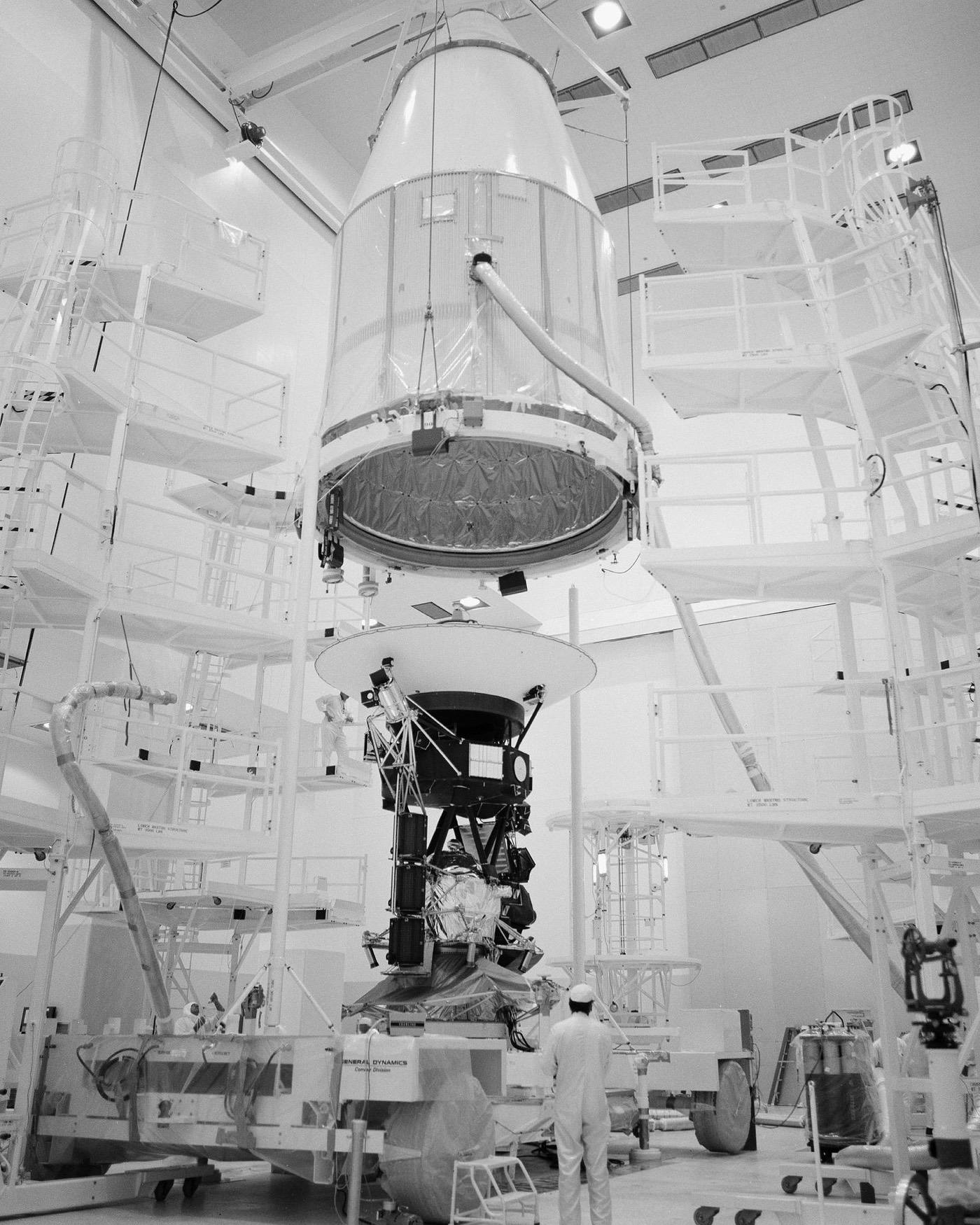
The Open House Experience
The Public Lab Open House, held last Saturday, was designed to provide an opportunity for community members to engage with ongoing scientific projects. While the intention was to foster understanding and collaboration, the reality reflected a growing divide between the scientific community and the lay public. Several attendees expressed confusion about the complexities of the projects presented, and many felt that the discussions were overly technical.
“I wanted to learn about the science, but it felt like they were speaking a different language.”
It is commendable that the lab made efforts to open its doors and invite public participation. However, what was glaringly absent from the event was a discussion of the underlying procedures that govern scientific research. Instead, the focus was on showcasing achievements, leaving many participants with lingering questions about the processes that precede these successes.

Transparency in Scientific Procedures
As scientists push the boundaries of knowledge, the importance of transparency cannot be overstated. Yet, it seems that many in the scientific community remain reluctant to delve into the procedural aspects that underpin their work. This recent open house was an opportunity to demystify the research process, but instead, it became a platform for exhibiting results without the necessary context.
The left, in its earnest advocacy for scientific progress, often overlooks the need for accountability in research methods. The emphasis on outcomes can sometimes obscure the ethical dimensions of scientific inquiry, raising concerns about data integrity and the potential for bias. Conversely, those on the right tend to focus on skepticism towards scientific authority, often dismissing findings that do not align with their ideological beliefs. This creates a perilous environment where scientific discourse is stifled by excessive partisanship.
The Dangers of Oversimplification
The tendency to oversimplify scientific findings has been a hallmark of public discourse lately. While it is essential to communicate effectively with the public, reducing complex issues to sound bites can lead to a misunderstanding of the real implications of scientific research. This oversimplification is a disservice to both scientists and the community, as it fosters an environment where misinformation can flourish.
At the Open House, several demonstrations were presented that highlighted the lab's innovative technology. However, without a thorough explanation of the research procedures, many attendees left with a skewed perception of the scientific process. The lack of depth in the discussions served to reinforce the notion that science is something done by “experts” far removed from everyday life, rather than a collective endeavor that can benefit from public engagement.
Finding Common Ground
It is imperative that both the left and the right find common ground when it comes to scientific inquiry. The left must acknowledge the importance of transparency and accountability in research, while the right should strive to foster an environment where scientific findings can be discussed without prejudice. Only through constructive dialogue can we bridge the gap between scientists and the public.
“Science is a collaborative effort, and it requires the input of diverse voices.”
Moving forward, the scientific community must prioritize education and outreach. Engaging the public in the scientific process not only demystifies research but also encourages a more informed citizenry. Public Labs should consider integrating workshops that focus on research methodologies alongside their presentations of results. Such initiatives could serve to build trust and facilitate dialogue between scientists and the community.
A Call for Responsible Science
As we reflect on the outcomes of the Public Lab Open House, it is evident that there is much work to be done in terms of fostering transparency and understanding in scientific research. Both sides of the political spectrum must recognize the value of responsible science and the necessity of open communication. By doing so, we can ensure that scientific progress is not only celebrated but also understood and embraced by the public.
✦ ✦ ✦