From the file. Written for the paper dated January 1974. Opened in the public stacks July 14, 2026.
As the specter of infectious diseases looms larger in the collective consciousness, it is crucial to address the uncomfortable realities surrounding our pandemic readiness. The discourse on health issues has often oscillated between alarmist rhetoric and dismissive apathy, but we must confront the procedures and protocols that few dare to discuss openly.
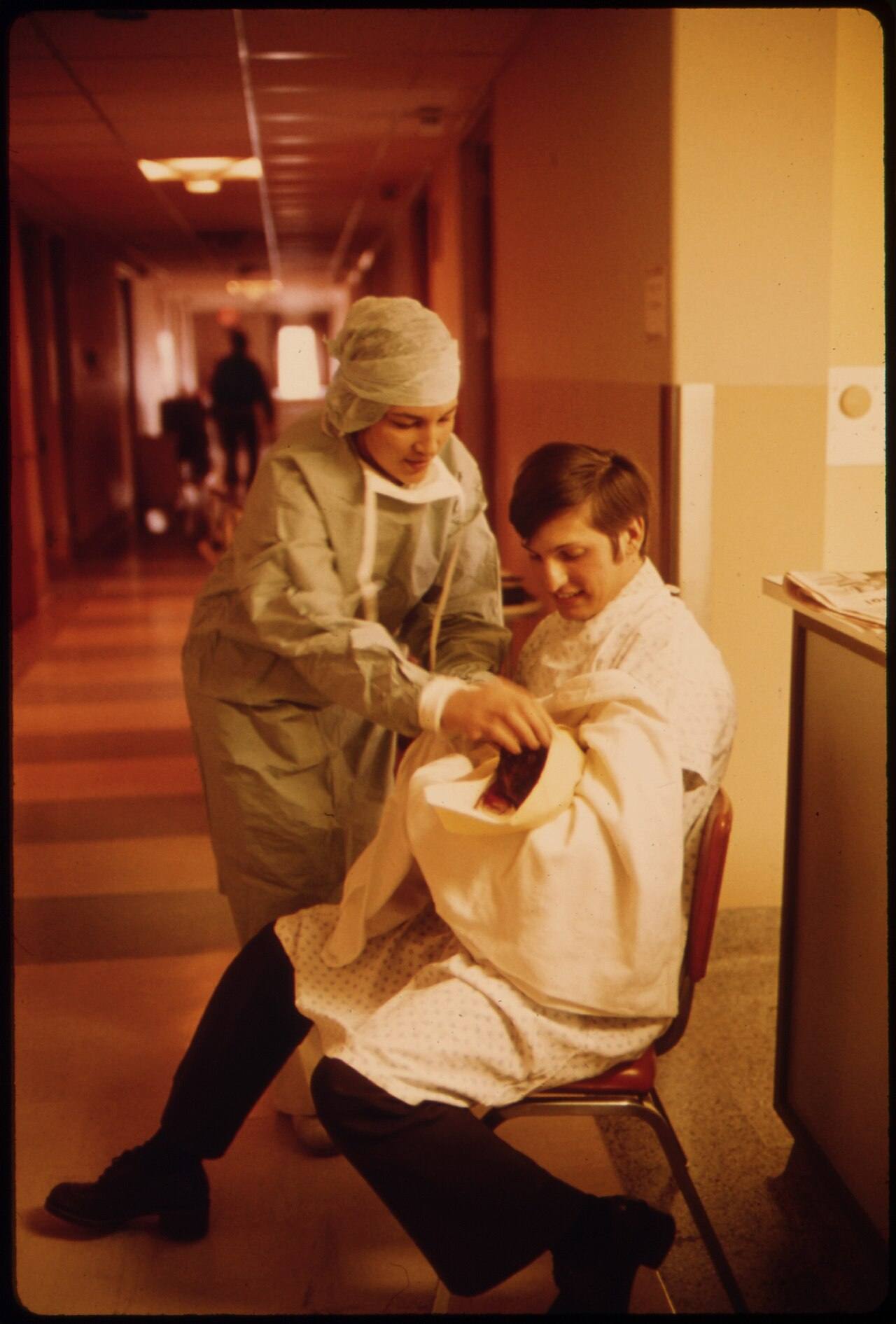
The Unseen Preparations
The recent outbreaks of various viruses have reignited public interest in our nation's health infrastructure. However, while there is a rush to proclaim readiness, the truth is that many of the protocols in place remain inadequate. The reality is that pandemic preparedness is not just about stockpiling vaccines and medications; it encompasses a complex web of procedures that must be effectively communicated and executed.
Take, for example, the debate surrounding quarantine measures. On one side, there are advocates for strict isolation protocols, arguing that they are essential to control the spread of disease. Conversely, there are those who decry such measures as draconian and an infringement on civil liberties. This polarization leaves the public confused and vulnerable. Rather than fostering a productive dialogue, the extremes on both sides have created an environment where important discussions are stifled.
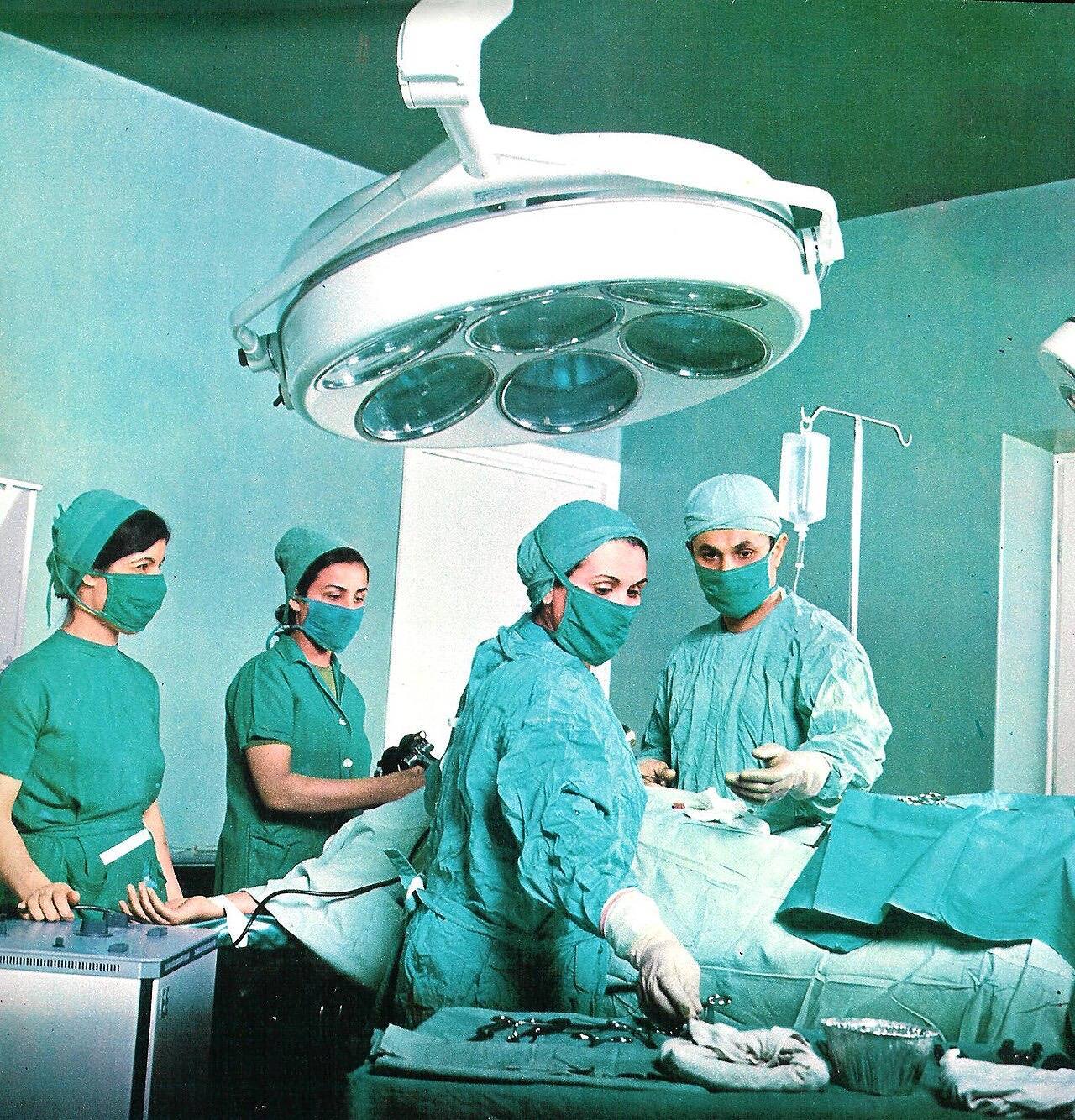
"The reality is that pandemic preparedness is not just about stockpiling vaccines and medications; it encompasses a complex web of procedures."
Left vs. Right: A Dangerous Game
As we examine the landscape of public health, the excesses of both the left and right are on full display. The left often advocates for government intervention and control, pushing for more funding and resources for health organizations. While this is commendable, their arguments can sometimes veer into a realm of unrealistic expectations, proposing solutions that may not be feasible in the short term. This creates a perception that health issues can be solved with enough money, ignoring the systemic issues that underlie public health crises.
On the other hand, the right tends to promote free-market principles and personal responsibility, often suggesting that the government should step back and allow private enterprises to manage health crises. This laissez-faire attitude can be dangerous when faced with a pandemic, as it downplays the need for coordinated national responses and leaves vulnerable populations at risk. The tension between these two approaches is stifling progress, as neither side is willing to acknowledge the validity of the other’s perspective.
The Role of Education and Awareness
Education is another critical component of pandemic readiness that is often overlooked. The public must be informed not only about the diseases themselves but also about the protocols that are in place to address them. A well-informed populace is better equipped to understand why certain measures are necessary, even if they are uncomfortable. Yet, education efforts are frequently marred by misinformation and sensationalism. The media plays a key role here, often amplifying fears rather than providing clear, concise information.
Bridging the Divide
To effectively address pandemic preparedness, we must find common ground between the left and right. This involves acknowledging the importance of both a strong government response and the role of individual responsibility. A collaborative approach that incorporates the strengths of both perspectives could lead to more effective solutions. We need to engage in meaningful conversations that go beyond sound bites and political posturing.
Moreover, it is imperative that we prioritize transparency in our health policies. The public deserves to know the rationale behind the decisions being made, especially when those decisions impact their lives directly. This transparency can foster trust, which is essential for compliance with public health directives during a pandemic.
A Call to Action
As we stand on the precipice of potential health crises, it is clear that we cannot afford to ignore the procedures and protocols that often go unspoken. The time for a comprehensive reevaluation of our pandemic readiness is now. We must advocate for a balanced approach that embraces the strengths of both the left and right, grounded in a commitment to educating the public and fostering trust.
Only through collaboration and open dialogue can we hope to build a health infrastructure that is truly prepared for the challenges ahead. As citizens, we must demand that our leaders engage in these vital conversations and prioritize the health and safety of all Americans.
✦ ✦ ✦