From the file. Written for the paper dated December 1973. Opened in the public stacks July 14, 2026.
In a time marked by political turbulence and societal upheaval, the recent oversight hearing may seem like just another bore fest, yet it reveals critical insights into the underlying mechanisms of government that deserve our attention.
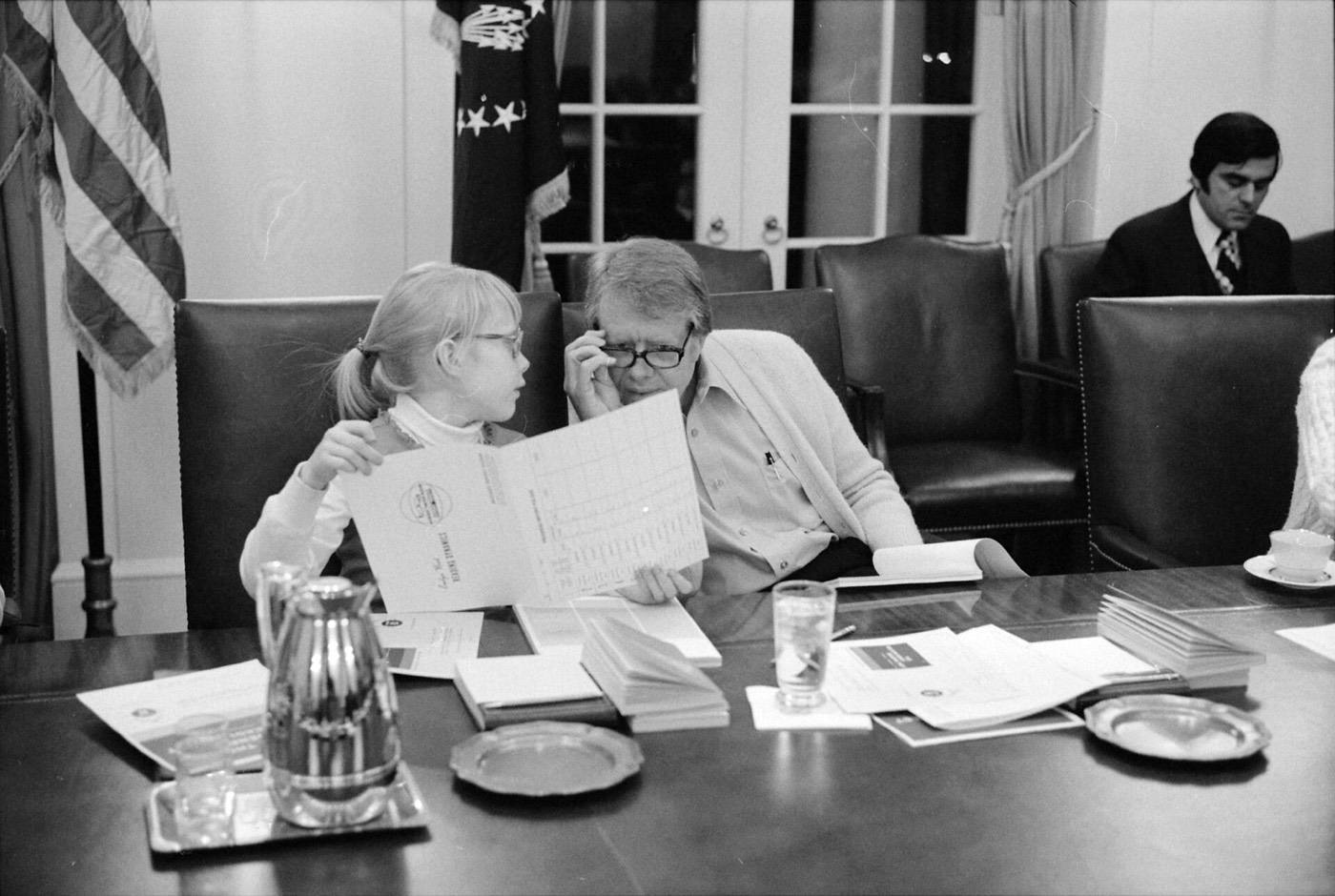
The Oversight Hearing: A Necessary Yet Mundane Exercise
As the nation tunes into the latest developments in the Watergate scandal, the oversight hearing conducted by Congress has drawn attention not for its dramatic revelations but for its procedural monotony. This is, however, where its significance lies. Much of the public eye is focused on the sensational aspects of political drama, but the real story often unfolds in the dull corridors of oversight, where the inner workings of government come into focus.
Oversight hearings serve as the backbone of congressional responsibility, allowing lawmakers to monitor the executive branch's activities. Yet, in an era where sensationalism often overshadows substance, the vital role of these hearings risks being overlooked. They provide a mechanism for accountability, ensuring that the government remains transparent and answerable to the people. However, the challenge lies in keeping the public engaged while navigating the intricate and often tedious details of policy and legislation.

Left and Right: Excesses in Political Rhetoric
The political landscape today is fraught with excesses on both sides of the aisle. The left's fervor for social justice initiatives, while commendable in intent, has at times devolved into a form of moral absolutism that leaves little room for discussion. This push for change, while necessary, often overlooks the complexities involved in governance. The desire for immediate reform can overshadow the need for a thoughtful approach that considers potential ramifications.
On the other hand, the right presents its own set of challenges. The rhetoric surrounding fiscal conservatism has become increasingly strident, often disregarding the needs of the most vulnerable in our society. In their quest to reduce government spending, some factions have adopted a myopic view that sacrifices social programs essential to the fabric of our communities. This lack of balance is troubling, as it fails to acknowledge that a functioning democracy requires both responsible fiscal management and a commitment to social welfare.
“In navigating the political tumult, the real work of governance often takes a back seat to the noise.”
Both extremes engage in a battle of ideologies that can drown out the middle ground, where most Americans reside. The narratives spun by the left and the right often reduce complex issues to sound bites, leaving little room for nuanced discussion. Oversight hearings offer a rare opportunity to break through this noise, yet they often struggle to capture the public’s attention amidst the clamor.
The Importance of Civic Engagement
As citizens, it is imperative to engage with these hearings not merely as spectators but as active participants in our democracy. It is easy to become disenchanted with politics, especially when it appears bogged down by bureaucratic procedure. However, these hearings are where the real work happens, where representatives grapple with the implications of policy decisions that affect our lives.
Moreover, civic engagement must extend beyond the traditional confines of voting. It requires an informed electorate that understands the mechanisms of government and holds its leaders accountable. The oversight hearings are a testament to the importance of this engagement, as they shine a light on the often-overlooked minutiae of governance that can have profound implications for policy and public welfare.
In conclusion, while the oversight hearing may seem like a dull affair to many, it is a critical component of our democratic system. It serves as a reminder that governance is not merely about the headlines but about the careful stewardship of public resources and the pursuit of justice for all. In a time when the political climate is charged with emotion, we must not forget the importance of remaining grounded, seeking understanding, and fostering dialogue that transcends partisan divides.
✦ ✦ ✦