From the file. Written for the paper dated November 1973. Opened in the public stacks July 14, 2026.
As the nation grapples with the complexities of public health, the discourse surrounding vaccine policy has taken on an increasingly polarized tone. It is imperative that we navigate this critical issue without the distractions of partisan allegiance.

The State of Vaccine Policy
In the wake of the recent outbreaks of diseases such as measles and rubella, vaccine policy has become a focal point for policymakers, health professionals, and citizens alike. The tension between personal freedoms and collective responsibility has never been more palpable. We find ourselves at a crossroads where the scientific evidence supporting vaccinations clashes with the fervent ideologies of both the political right and left.
Proponents of vaccination argue that the benefits far outweigh the risks, citing significant declines in incidence rates of preventable diseases. However, their discussions often become clouded by the fervor of identity politics. Some on the left have taken to framing vaccination as a matter of social justice, insisting that access to vaccines must be equitable across all socioeconomic strata. While the goal of equity is noble, the conversation sometimes devolves into divisive rhetoric that alienates those who might otherwise support public health initiatives.
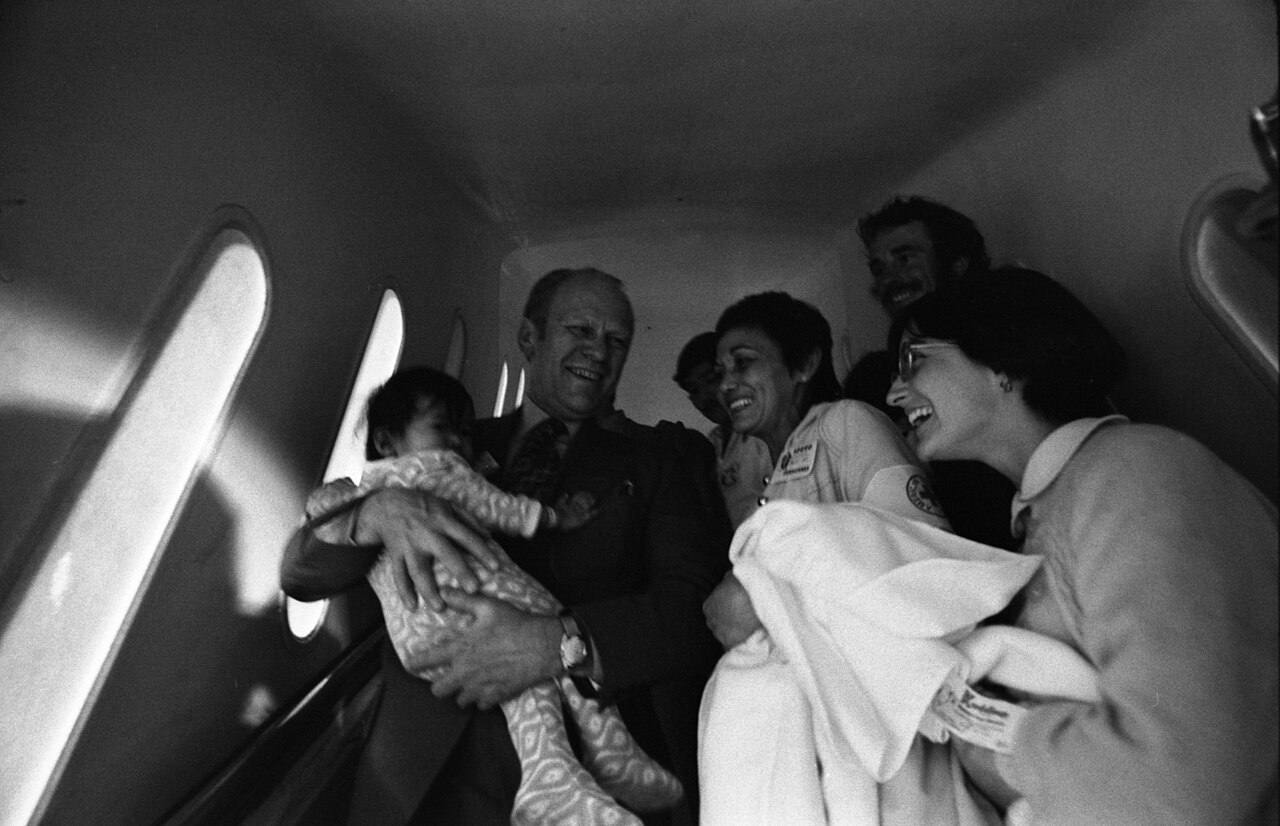
Conversely, the right often frames vaccine mandates as an infringement on individual liberties. This oversimplification of a complex health issue can lead to a dangerous disregard for scientific consensus. While personal choice is indeed a cornerstone of American values, it must be balanced against the need for public safety. The rhetoric from certain factions has created an environment where legitimate concerns about vaccine safety are dismissed, often leading to misinformation and fear-mongering.
Evidence Before Identity
At the heart of the vaccine debate lies a fundamental question: how do we prioritize scientific evidence over tribal identity? The data supporting the efficacy and safety of vaccines is robust, yet the discussions around them often ignore this in favor of ideological posturing. The public deserves to hear the facts, not just the narratives crafted by interest groups seeking to advance their agendas.
For instance, recent studies from reputable medical journals have demonstrated that the benefits of vaccinations extend beyond individual protection; they contribute to herd immunity, which protects those who cannot be vaccinated. Yet these findings struggle to penetrate the echo chambers created by extreme political factions. The urgency of addressing vaccine hesitancy is overshadowed by the noise of ideological warfare.
“The public deserves to hear the facts, not just the narratives crafted by interest groups seeking to advance their agendas.”
Moreover, the politicization of vaccines has led to a troubling environment where medical professionals are often caught in the crossfire. Doctors and scientists find their recommendations scrutinized not solely on the basis of evidence but through the prism of political allegiance. This reality is dangerous, as it undermines the trust that is essential for effective public health communication.
Finding Common Ground
Amidst the cacophony, it is crucial that we seek common ground. Both sides must recognize that the challenges surrounding vaccine policy are not merely political but deeply rooted in public health. Engaging in thoughtful dialogue that prioritizes scientific evidence over inflammatory rhetoric is essential for fostering a more informed citizenry.
Public health campaigns must not only focus on the benefits of vaccination but also address the concerns of those who are hesitant. Acknowledging fears surrounding vaccine safety and providing transparent information can help bridge the gap between differing viewpoints. It is time for both sides to step back from their entrenched positions and engage in a conversation that is grounded in respect and understanding.
The role of the media cannot be understated in this regard. Journalists have a responsibility to provide accurate, evidence-based reporting on vaccine policy, free from the biases that often accompany political discourse. By doing so, we can help to cultivate an informed electorate that values science as the foundation for public health decisions.
A Call to Action
As we move forward, it is imperative that we hold our leaders accountable for policies that reflect scientific evidence rather than political ideology. Citizens must demand clarity and transparency in vaccine policy discussions, pushing back against the extremes that seek to dominate the narrative. It is only through a unified approach that we can ensure the health and safety of our communities.
In conclusion, the vaccine debate is not merely a reflection of political divisions but a crucial public health issue that requires our collective attention. By prioritizing evidence over identity, we can forge a path toward a healthier future for all. Let us rise above the fray, focusing on what truly matters - the well-being of our society.
✦ ✦ ✦