From the file. Written for the paper dated November 1973. Opened in the public stacks July 14, 2026.
As the United States navigates through the complexities of international relations, the issue of treaty ratification stands at a critical juncture. The debates surrounding these agreements reveal the stark divisions in American politics, with both the left and right exhibiting excesses that threaten the very fabric of our democratic process.

Treaty Ratification: A Matter of Principle
The Constitution provides a clear pathway for the ratification of treaties, requiring a two-thirds majority in the Senate. However, as we observe the political landscape today, it seems that partisanship often overshadows this foundational requirement. Recent events have demonstrated that both sides of the aisle are willing to prioritize their political agendas over the principles that underpin our governance.
On one hand, the left emphasizes the need for international cooperation and diplomacy, advocating for treaties that promote peace, environmental protections, and human rights. Yet, in their fervor, they sometimes disregard the concerns of those who fear that these agreements may infringe upon national sovereignty. Their approach can feel prescriptive, as if they are donning a team jersey that demands absolute loyalty rather than fostering a broader dialogue around the implications of such treaties.
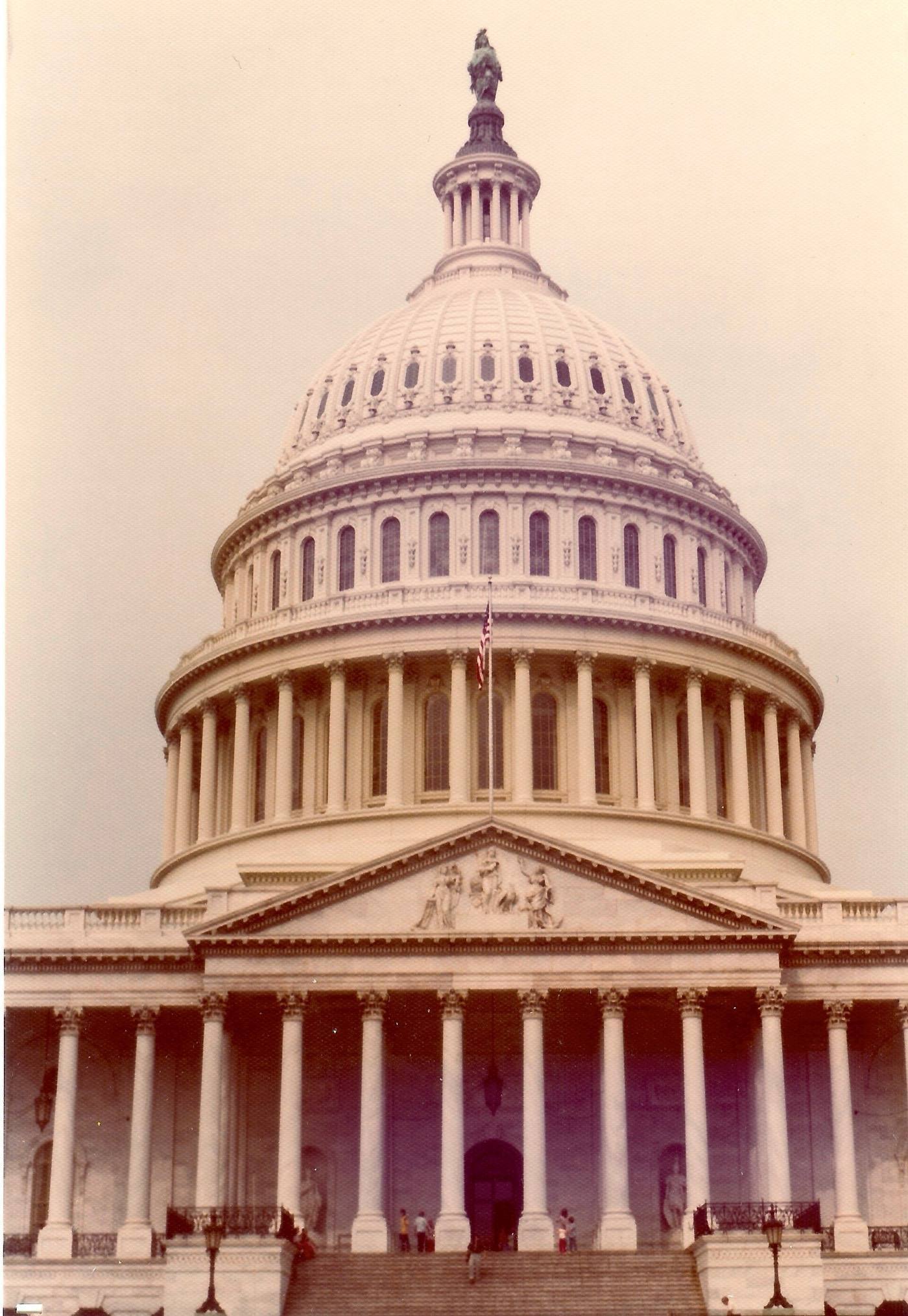
Conversely, the right often adopts a more isolationist stance, warning against the pitfalls of entangling alliances. While their skepticism of foreign treaties is grounded in a desire to protect American interests, it can easily devolve into a rejection of collaboration altogether. This hardline approach can stifle meaningful discussions and alienate potential allies who might otherwise share common goals.
"When did treaty ratification become a matter of team loyalty rather than national interest?"
The Consequences of Excess
As we witness the ratification process being treated like a game, the consequences become increasingly apparent. Both sides are guilty of using treaties as a political football, undermining the very purpose of these agreements. For instance, the recent debates surrounding arms control treaties have descended into a blame game, with each side accusing the other of jeopardizing national security. This mentality not only complicates the ratification process but also risks eroding public trust in our institutions.
The recent strategic arms limitations talks (SALT) serve as a prime example of this dysfunction. While the left urges swift ratification to curb the arms race, the right raises concerns about the treaty's effectiveness, often framing their opposition in alarmist terms. This polarization has created an environment where reasoned discourse is drowned out by hyperbole, leaving citizens confused and disengaged.
Bridging the Divide
In this charged atmosphere, it is crucial for lawmakers to remember that the primary objective of treaty ratification is to serve the interests of the American people, not to further partisan goals. Bridging the divide requires a commitment to open dialogue and a willingness to listen to opposing viewpoints. Lawmakers must resist the urge to view treaties as mere extensions of their political ideologies.
Moreover, public engagement in these discussions is imperative. Citizens must be informed about the implications of treaties, understanding both the benefits and the risks involved. A well-informed electorate is essential in holding representatives accountable and ensuring that treaty ratification processes are conducted with transparency and integrity.
Conclusion: A Call to Civility
As we move forward, it is essential that both sides of the political spectrum recognize the dangers of excess partisanship in the context of treaty ratification. The stakes are high, not just for our government but for the future of international relations and our standing in the world. It is time to set aside the team jerseys and engage in a collective effort to uphold the principles of democracy, transparency, and cooperation.
✦ ✦ ✦