From the file. Written for the paper dated November 1973. Opened in the public stacks July 14, 2026.
As discussions around healthcare reform dominate our political landscape, a closer examination of public clinics reveals a complex interplay between identity politics and the fundamental purpose of health services: to provide equitable care for all.
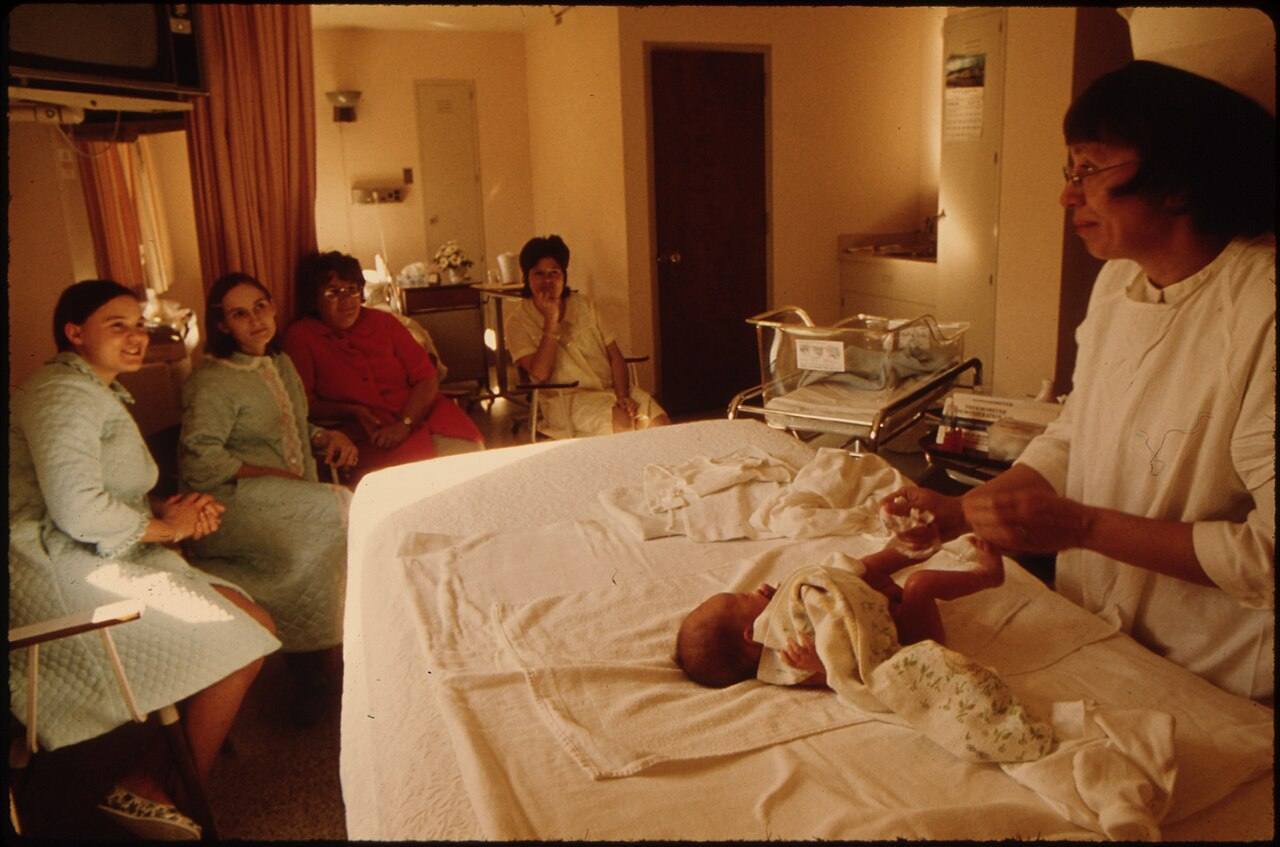
Beyond Labels: The True Purpose of Public Clinics
The public clinic system in America, established to care for the underserved, has become a battleground for ideological warfare. On one hand, the left advocates for expanded services, often framing the argument in terms of social justice and identity. On the other hand, the right emphasizes fiscal responsibility and accountability, warning against potential overreach and misuse of resources. In this climate, the original intent of public clinics - the delivery of healthcare based on need instead of identity - risks being obscured.
"We must remember that health is not a privilege of identity or ideology, but a basic human right."
In many urban areas, public clinics have become essential lifelines, offering everything from preventive care to treatment for chronic illnesses. However, the conversation often shifts towards who should benefit from these services rather than the necessity of the services themselves. This focus on identity - whether racial, ethnic, or economic - can detract from the fundamental mission of these clinics: to provide necessary healthcare to those who need it most, regardless of their background.
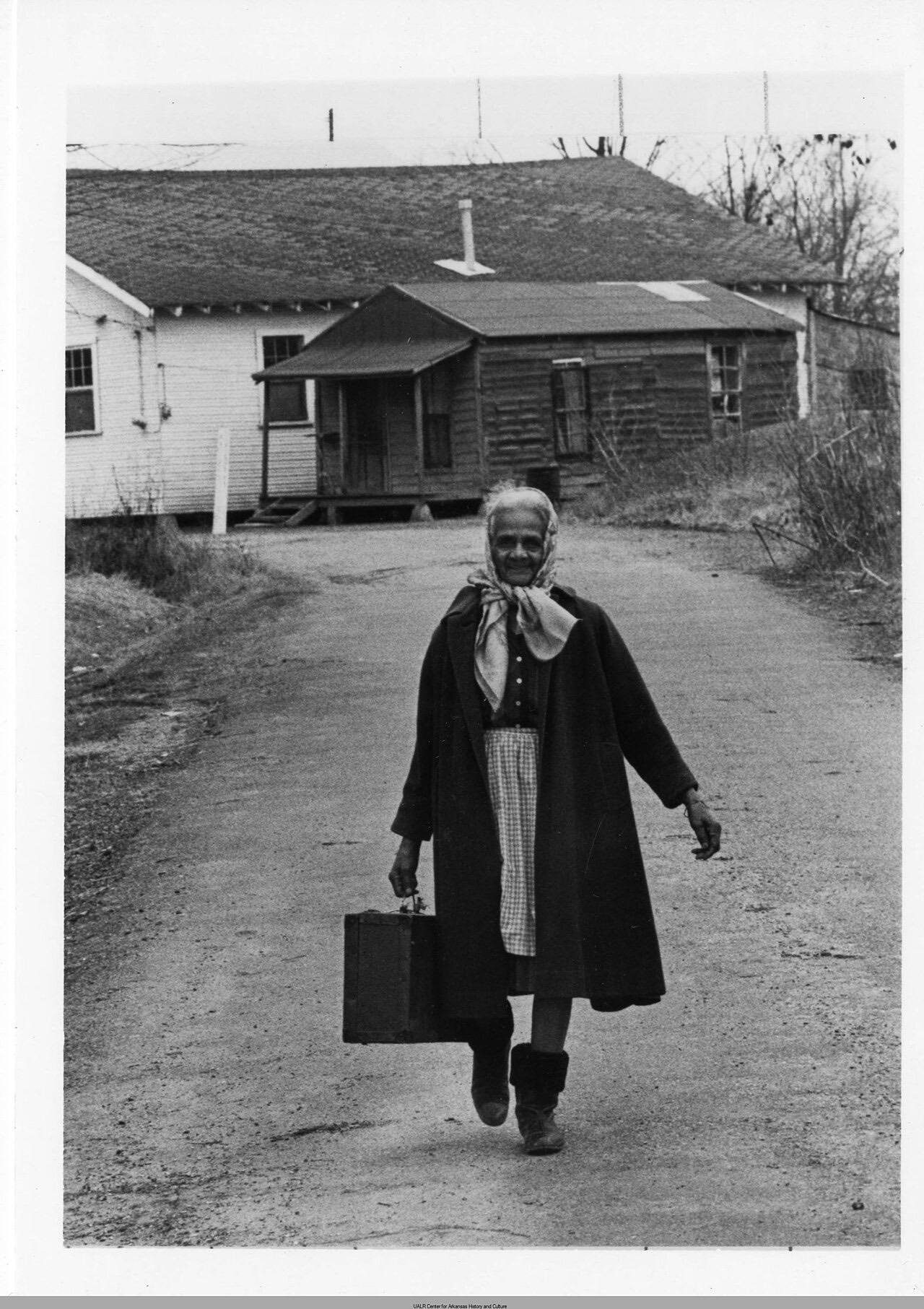
The Left’s Identity Politics
Progressives argue passionately for public clinics to cater specifically to marginalized communities. They contend that systemic inequalities necessitate a more targeted approach to healthcare provision. While the intention may be noble, the implementation often leads to the balkanization of health services, where care becomes a reflection of identity rather than a universal right. Clinics may be seen as extensions of political platforms rather than as neutral providers of essential services.
Moreover, the push for identity-focused healthcare can inadvertently alienate other groups who are equally in need. The rhetoric surrounding these movements can create an "us versus them" mentality, undermining the cooperative spirit that should define public health. As we navigate these discussions, it is crucial to remember that health disparities affect many, and the solution should be inclusive rather than divisive.
The Right’s Fiscal Concerns
Conversely, the right's critique of public clinics often centers around budgetary constraints and the potential for waste. While fiscal responsibility is undeniably important, this perspective sometimes borders on the draconian, advocating for cuts that could cripple these essential services. The risk is that in pursuit of a balanced budget, the most vulnerable populations suffer the consequences.
Moreover, the right's approach tends to overlook the broader social implications of health disparities. By framing public clinics purely as financial burdens, the conversation shifts away from the ethical obligation to provide care. This narrow viewpoint can lead to policies that prioritize profit over people, ultimately jeopardizing the health of entire communities.
A Call for Evidence-Based Solutions
What is desperately needed in this heated debate is a return to evidence-based solutions that prioritize health outcomes over political identity. Instead of focusing on who is deserving of care based on identity, we should be asking how to best allocate resources to improve health for all. Public health data - when used responsibly - can guide policymakers in making informed decisions that benefit the population as a whole.
For instance, understanding the specific health challenges facing different communities can help tailor services without resorting to identity politics. By analyzing health data, public clinics can identify trends and allocate resources more effectively, ensuring that all individuals receive the care they require.
Building Bridges, Not Barriers
Ultimately, the goal of public clinics should be to build bridges among diverse communities rather than erect barriers based on political ideology or identity. The healthcare system must serve as a unifying force, ensuring that everyone has access to the care they need, regardless of their background.
As the debate continues, it is imperative that we remain focused on the fundamental principles of healthcare: accessibility, equity, and evidence-based practice. Let us not lose sight of the fact that public clinics were created to serve humanity, not political agendas.
✦ ✦ ✦