From the file. Written for the paper dated November 1973. Opened in the public stacks July 14, 2026.
In a time when political allegiances often overshadow the pursuit of truth, the recent oversight hearing has become a battleground for ideologies rather than a forum for genuine inquiry.
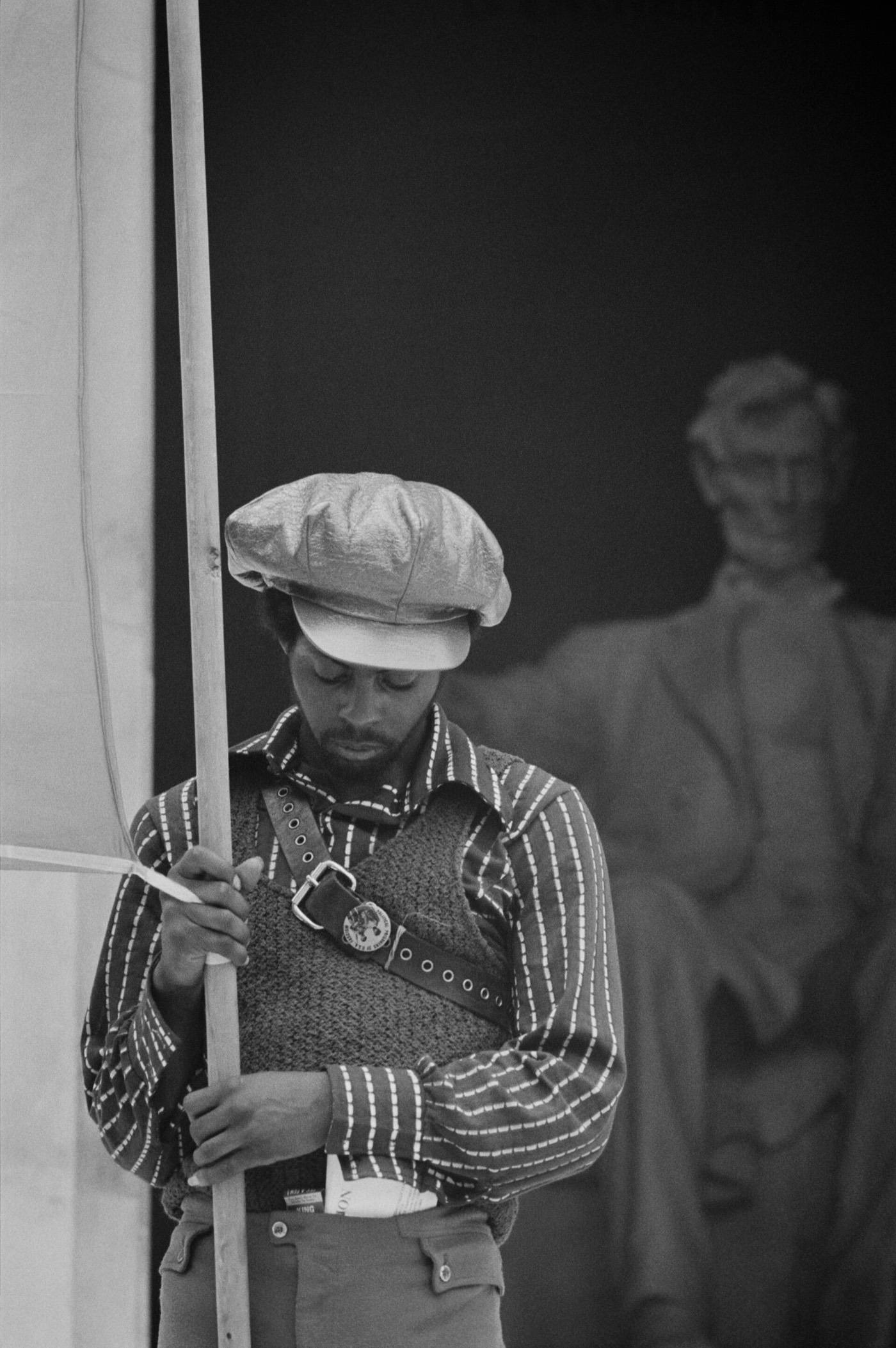
Fractured Fronts in the National Discourse
The atmosphere surrounding the oversight hearing this month has been charged with tension, revealing a distressing truth about our political landscape. As representatives from both sides of the aisle gather to scrutinize the executive branch, it seems that the focus has shifted from accountability to political posturing. It is as if the stakes have become a game, where winning the argument has replaced the earnest pursuit of transparency.
On one side, we have the left, who have taken a hardline stance, demanding accountability for perceived misdeeds, often painting the administration with broad strokes. Their rhetoric, while calling for justice, sometimes veers into the realm of the sensational, reducing complex issues into soundbites that serve their narrative. This approach risks alienating those who might otherwise support necessary reforms. Instead of fostering dialogue, it creates an echo chamber where dissenting voices are drowned out.
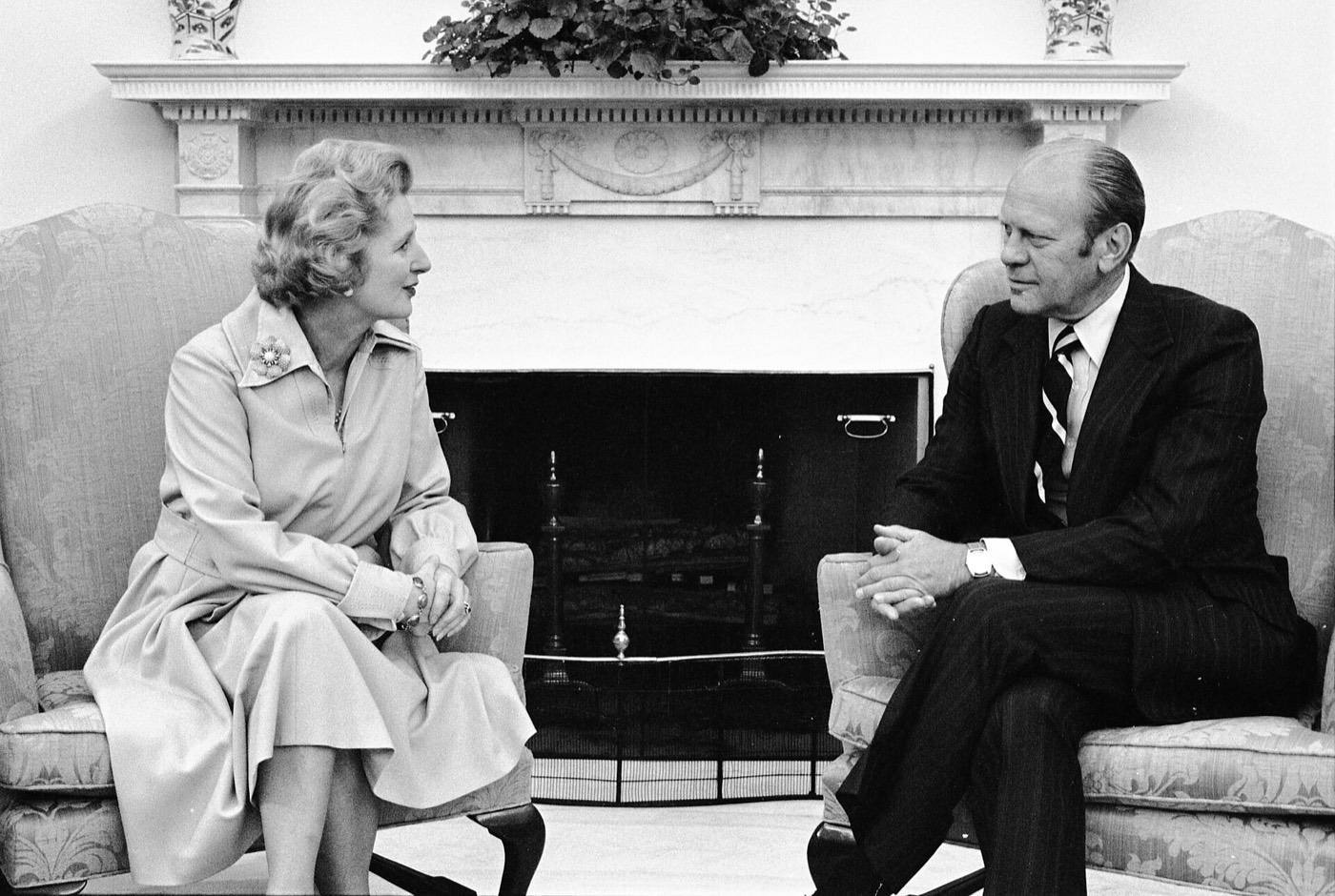
Conversely, the right, while professing loyalty to traditional values and a strong defense of the executive branch, often appears more concerned with shielding those in power than with upholding the principles of democratic oversight. Their defense of the administration seems less about protecting the nation’s interests and more about preserving their political capital. This excessive loyalty can be detrimental, as it undermines the checks and balances that are essential to our republic.
“It is as if the stakes have become a game, where winning the argument has replaced the earnest pursuit of transparency.”
The Role of Media in Shaping Perspectives
The media, too, finds itself caught in this crossfire. Coverage of the hearings has often mirrored the partisan divide, with outlets aligning themselves to one side or the other, further entrenching the public's views. While the press plays a crucial role in informing the populace, it must also strive to remain impartial, providing the facts without the added layer of bias. The public deserves a clear view of the proceedings, rather than a filtered perspective that only reinforces existing beliefs.
Moreover, sensationalism in media reporting can lead to misinterpretations of the facts, creating a scenario where evidence is overshadowed by the personalities involved. This is particularly evident in the coverage of the hearing's key testimonies, which have been treated more like a reality show than a serious inquiry into the workings of our government. With a focus on drama rather than substance, the critical issues at hand risk being lost in the noise.
Evidence vs. Identity Politics
As the hearings progress, it becomes increasingly clear that the real challenge lies in separating the evidence from the identity politics that pervade the discourse. Witnesses called to testify often find themselves not only explaining their actions but also defending their very identities against a backdrop of suspicion and accusation. This is a dangerous precedent, as it shifts the focus from the facts at hand to the individuals involved, creating a culture where personal attacks are prioritized over constructive debate.
In this climate, the pursuit of truth is compromised. The emphasis on character over content leads to a situation where the merits of testimony are overshadowed by the backgrounds and affiliations of those providing it. In a country that prides itself on democratic ideals, we must strive to ensure that our inquiries are rooted in evidence rather than the identities of those involved.
Seeking a Path Forward
As the oversight hearings continue, there is a pressing need for all parties involved - politicians, media, and the public - to prioritize the integrity of the process over the allure of victory. It is imperative that we create a space where evidence is examined critically, free from the constraints of political allegiance. The nation deserves a government that is accountable, and that accountability must be pursued with rigor and fairness.
To achieve this, we must reject the extremes on both sides. The left should temper its zeal with an understanding of the complexities involved, while the right must recognize that protecting the office does not entail ignoring malfeasance. Only through collaboration and a commitment to truth can we hope to navigate the challenges that lie ahead.
✦ ✦ ✦