From the file. Written for the paper dated October 1973. Opened in the public stacks July 14, 2026.
As the nation grapples with rising oil prices, conflicting narratives from various quarters raise questions about the real impacts on consumers and the economy.
Unraveling the Claims
The recent surge in oil prices has sparked a flurry of statements from both supporters of the Nixon administration and critics from the left. Advocates of the administration assert that the increases are a necessary response to global market forces and the ongoing conflict in the Middle East. Meanwhile, progressive voices decry this explanation as a smokescreen, arguing that corporate greed and mismanagement are at the heart of the price hikes.
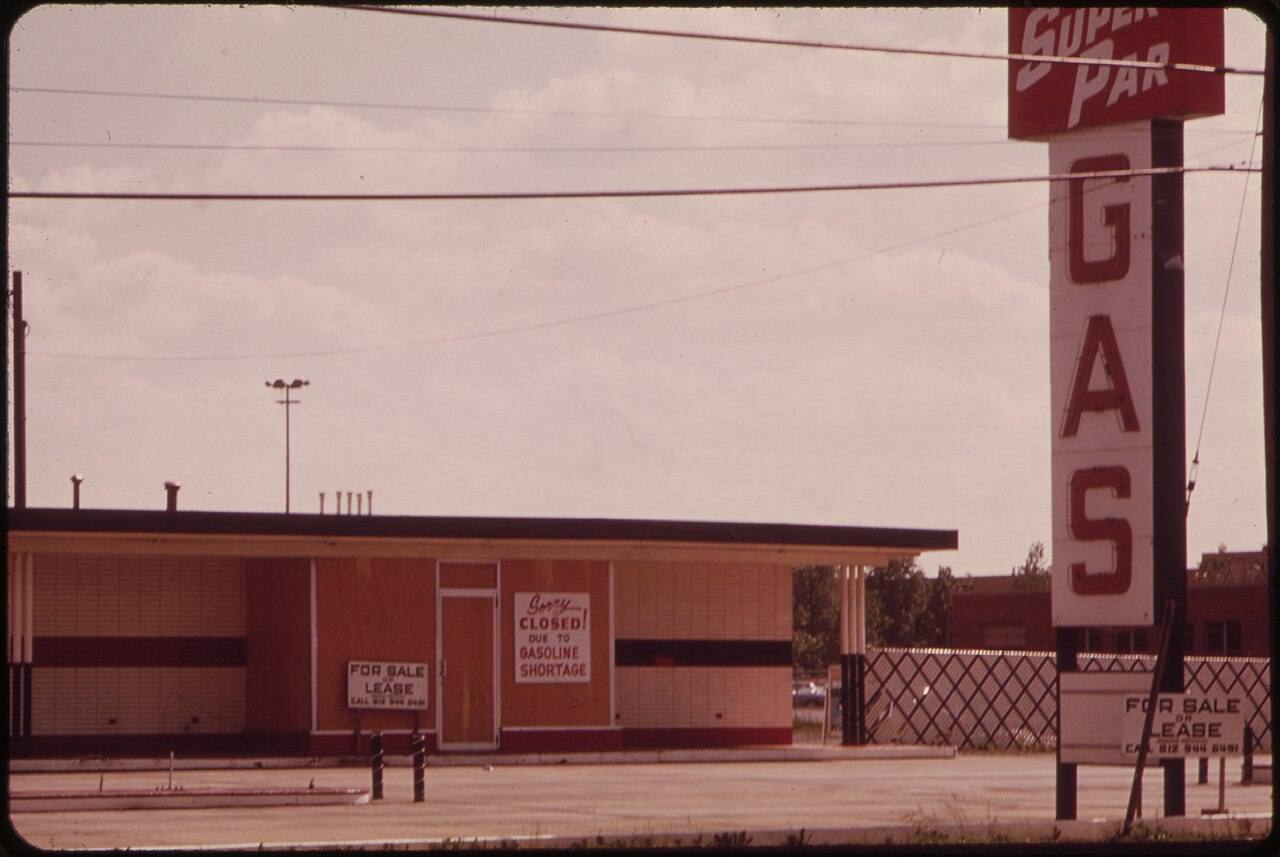
At the forefront of this debate is the oil embargo imposed by OPEC, which has indeed reshaped the dynamics of international oil trade. But are the explanations we are hearing merely an oversimplification of a more complex situation, or is there truth in them? What is clearer by the day is that American consumers are feeling the pinch as prices creep upward. The average price of gasoline has already surpassed 50 cents a gallon in many areas, a significant concern for families trying to manage their budgets.
Corporate Profits and Accountability
Critics of the oil companies argue that their profits have soared amid rising prices, suggesting that these corporations are seizing an opportunity to bolster their bottom lines rather than merely responding to supply and demand shifts. A recent report indicated that major oil firms are posting record profits, prompting calls for increased regulation and accountability. This has led some members of Congress to push for a windfall profits tax, a move that many on the right dismiss as an attack on free enterprise.
"The oil industry is not just facing external pressures; it is also complicit in this price surge." - An anonymous industry analyst
On the other hand, defenders of the oil industry argue that such measures would stifle investment and innovation in energy production. They contend that the free market must be allowed to adjust without government interference, warning that taxes on profits would ultimately be passed on to consumers in the form of even higher prices.
Environmental Concerns and Energy Policy
Adding to the complexity is the environmental movement, which has gained momentum in recent years. Activists argue that the reliance on fossil fuels is not just an economic issue but a moral one, pointing to the detrimental environmental impacts associated with oil extraction and consumption. They advocate for a transition to renewable energy sources, emphasizing that the current crisis should serve as a wake-up call for a more sustainable approach to energy policy.
The left's response has often been to push for immediate action, but there are concerns that their proposals may not be fully thought through. Critics suggest that rushing to implement drastic measures without a comprehensive plan could exacerbate the situation rather than alleviate it. The risk of alienating moderate voices in the process is also a significant concern.
Political Rhetoric and Public Sentiment
On the political front, both parties are using the oil price issue to rally their bases. While the right frames the narrative around national security and independence from foreign oil, the left emphasizes the need for corporate accountability and environmental responsibility. However, this excess in political rhetoric often overshadows the genuine needs of the American people, who seek clear, actionable solutions rather than partisan blame games.
Public sentiment appears to be shifting as well, with many citizens expressing frustration over the lack of transparency from both the government and the oil industry. A recent survey indicated that a significant portion of the population feels that they are not being told the full story regarding oil prices. This growing skepticism may lead to increased demand for accountability and a more balanced discussion on energy policy moving forward.
A Path Forward
Looking ahead, the challenge will be to find common ground amidst the cacophony of voices on both sides of the aisle. It is evident that the nation requires a multifaceted approach - one that considers the economic realities while also addressing environmental concerns. As the discourse continues, the hope is that it will lead to informed policy decisions that prioritize the welfare of the American public.
The current climate suggests that if leaders can navigate the extremes of both left and right, there may be a path forward that benefits not only the economy but also the environment and the greater good of society.
✦ ✦ ✦