From the file. Written for the paper dated September 1973. Opened in the public stacks July 14, 2026.
As the dust settles on the recent elections, a critical issue looms large on the political landscape: redistricting. In an era marked by fervent ideological battles, the process of drawing electoral boundaries has become a battleground where both parties vie for advantage, often at the expense of democratic principles.
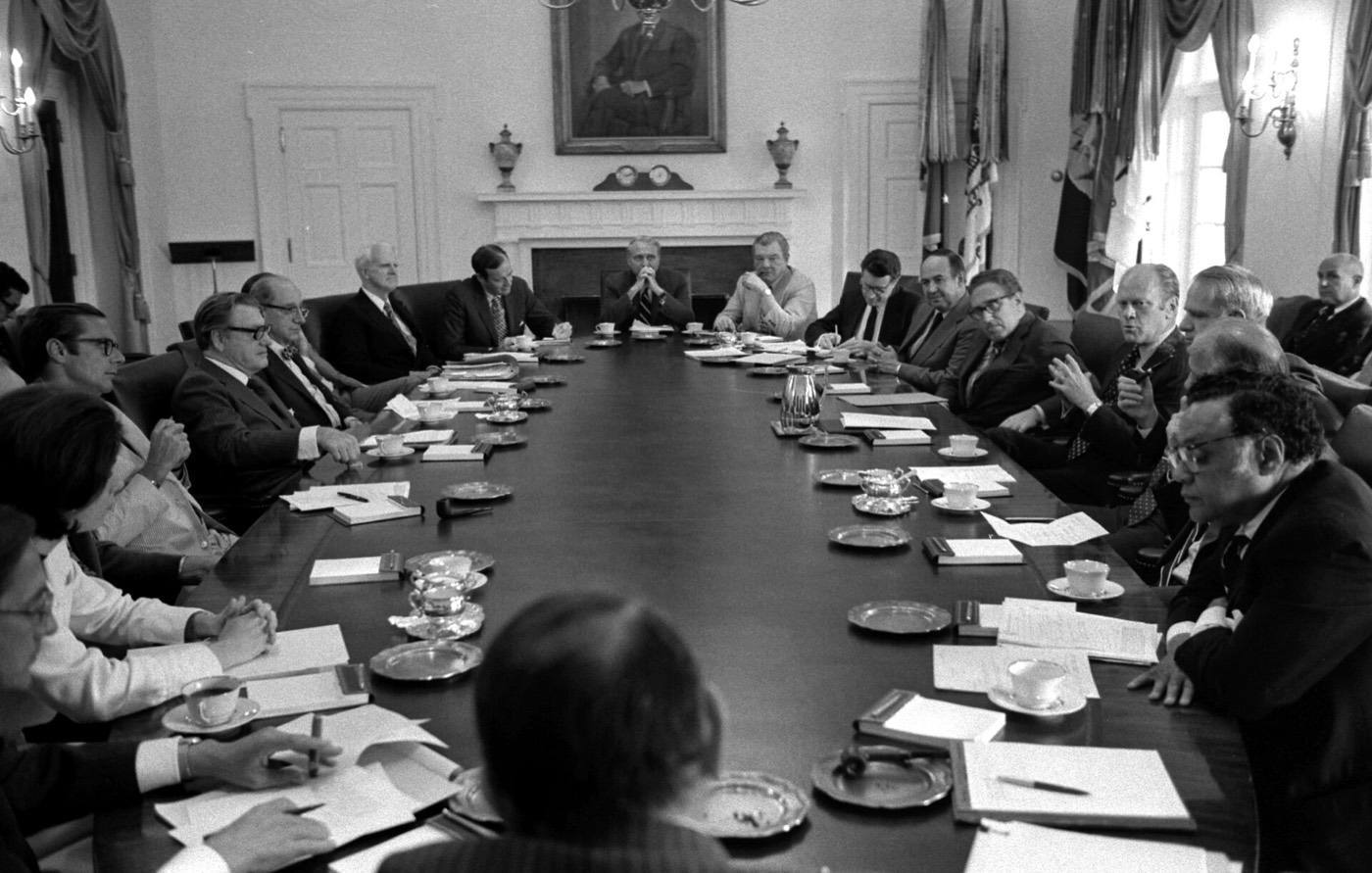
Redistricting: A Game of Power
In a country where both parties profess to uphold the ideals of representation, the redistricting process serves as a stark reminder of the lengths to which they will go to protect their own interests. The term “gerrymandering” has become a staple in political discourse, illustrating the manipulation of district lines to favor one party over another. While some may argue that this is merely a strategic maneuver, it raises critical questions about the integrity of our electoral system.
Both the left and the right have demonstrated a willingness to engage in this practice, often cloaked in rhetoric that suggests their actions are in defense of democratic values. However, as we witness elected officials drawing lines that serve their party's agenda rather than the constituents' needs, it becomes clear that the institutions themselves are prioritizing self-preservation over genuine representation.
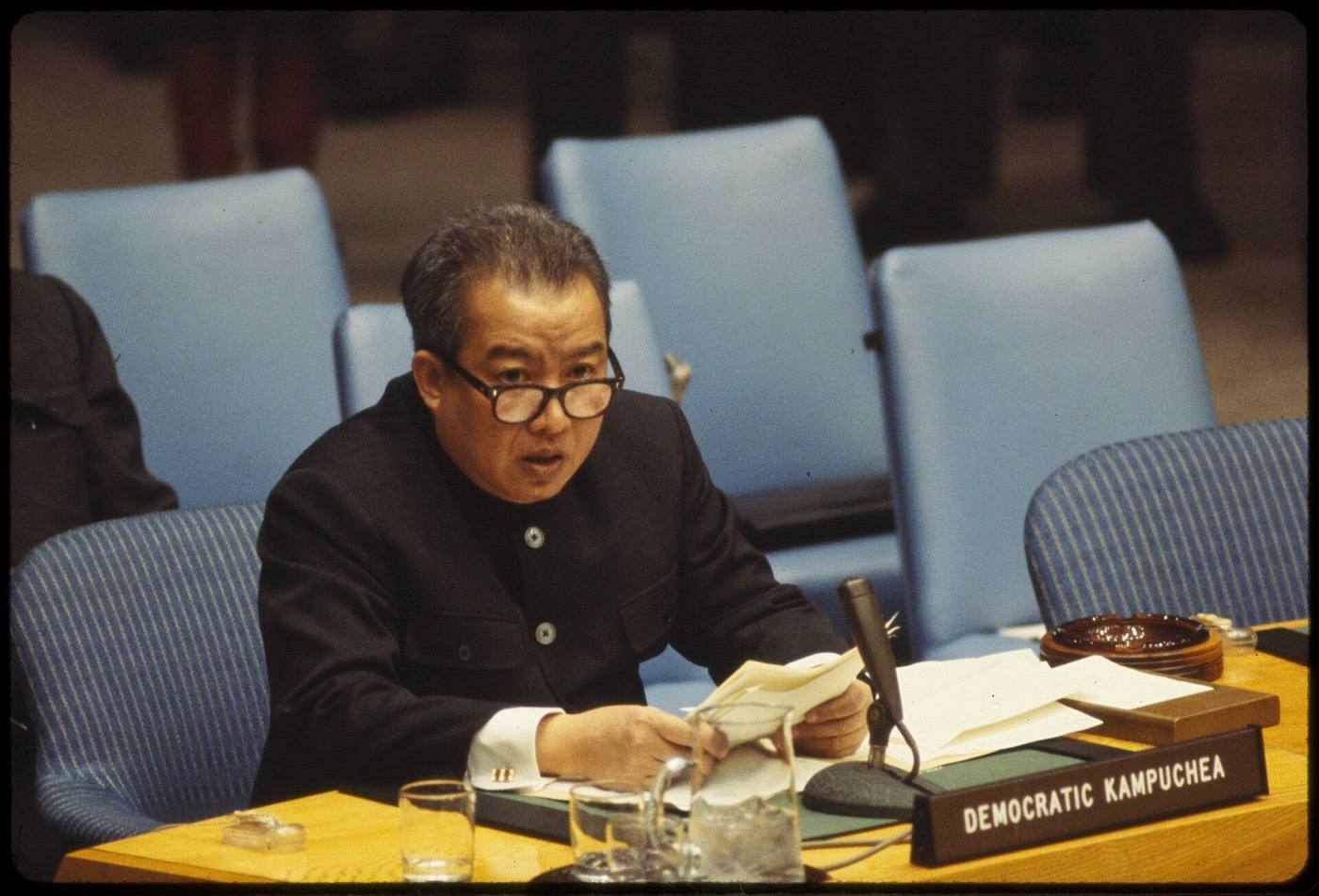
"The manipulation of district lines has become a tool for self-serving interests, rather than a means of enhancing democratic representation."
Institutional Safeguards or Self-Interest?
At the heart of the redistricting discussion is the notion of institutional safeguards. Advocates for reform argue that independent commissions should oversee the redistricting process to prevent partisan bias. This sentiment is echoed by many citizens who have grown disillusioned with the political gamesmanship that often accompanies the drawing of district lines.
However, the reality is that both major parties have resisted such changes. Democrats and Republicans alike have shown an inclination to protect their own power, often undermining the very institutions they claim to champion. This reluctance to embrace reform raises questions about the commitment of our political leaders to the principles of democracy and accountability.
A Divide in Ideology
The excesses of both the left and the right are evident in their approaches to redistricting. The left often champions the idea of inclusivity and fairness, yet when in power, they frequently engage in the same practices they once condemned. The right, on the other hand, tends to portray itself as the guardian of traditional values while simultaneously entrenching its own power through strategic districting.
This ideological divide is troubling, as it reveals a fundamental hypocrisy in the political landscape. Politicians on both sides seem more concerned with maintaining their hold on power than with fostering an environment where all voices can be heard. As gerrymandering continues to shape the electoral map, the citizens of this nation are left to grapple with the consequences of a system that prioritizes institutional survival over democratic ideals.
Looking Ahead: The Need for Reform
As we move forward, it is imperative that citizens demand transparency and accountability from their elected officials. The push for independent redistricting commissions is gaining momentum, and public support for such initiatives is crucial. A system that prioritizes fair representation over partisan advantage is not only necessary but essential for the health of our democracy.
Moreover, it is important for voters to remain vigilant and engaged in the political process. Our leaders must be held accountable for their actions, and the public must advocate for reforms that ensure a level playing field for all candidates, regardless of party affiliation. The future of our electoral system depends on the willingness of both citizens and politicians to challenge the status quo.
Conclusion: A Call to Action
Redistricting has become a potent symbol of the challenges facing our democratic institutions. As both the left and the right continue to engage in practices that undermine fair representation, it is the responsibility of the electorate to demand change. The time for complacency has passed; we must insist on a political landscape that reflects the diversity and voices of our nation.
✦ ✦ ✦