From the file. Written for the paper dated September 1973. Opened in the public stacks July 14, 2026.
As debates over energy policies heat up in the halls of Congress and across dinner tables nationwide, the very fabric of our energy grid stands as a testament to both institutional resilience and the potential pitfalls of political excess.
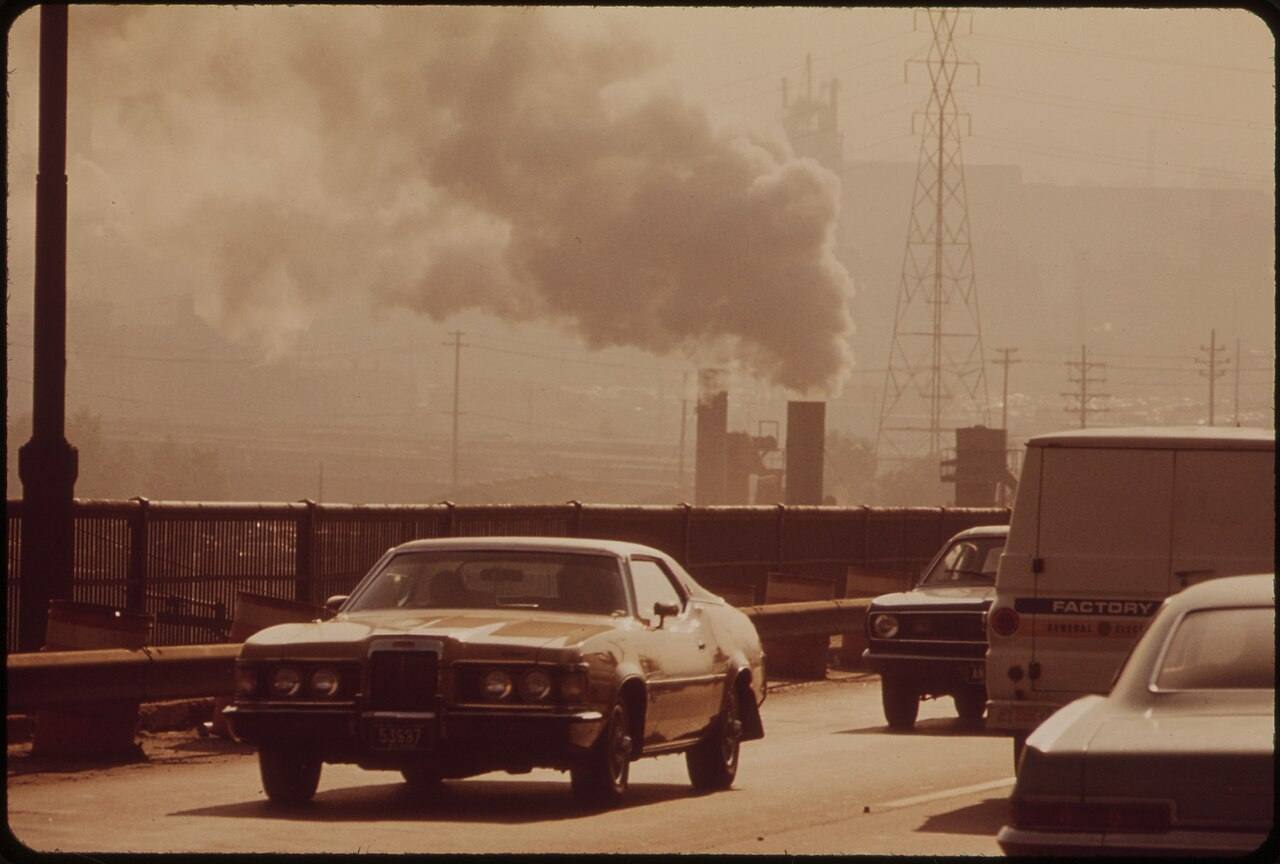
The Energy Landscape
The energy grid in America is more than just a series of interconnected lines and substations; it is a lifeline that powers our homes, businesses, and industries. As we look at the current state of this critical infrastructure, two opposing sides seem to emerge: those who advocate for immediate reform and those who cling to the status quo. Both extremes, however, overlook one essential truth: the need for a balanced approach that prioritizes the welfare of the public over the interests of institutions.
On one side of the spectrum, we have the environmentalists and liberal policymakers who argue for rapid transitions to renewable energy sources. Their enthusiasm for solar panels and wind turbines is commendable, but their urgency often dismisses the complexities of our existing grid. The push for drastic changes without a clear plan risks destabilizing an already fragile system. While it is vital to pursue sustainable energy, the current momentum can lead to hasty decisions that may do more harm than good, particularly for those living in rural areas dependent on traditional energy sources.

Conversely, we see the conservative factions defending fossil fuels and existing power structures with fervor. Their rhetoric often centers around economic stability and job preservation, but it can lead to stagnation in progress. By advocating for the status quo, they risk allowing outdated technologies to hold our energy future hostage. Their reluctance to entertain new ideas, like alternative energy solutions, signals a protectionist attitude that may serve corporate interests rather than the public's needs.
Institutional Self-Preservation
Both sides exhibit a tendency to prioritize the protection of their respective institutions over the welfare of citizens. This self-preservation manifests in various ways, from lobbyists pushing for subsidies that benefit only a few to politicians pandering to special interests instead of their constituents. This is not just a political issue; it is a societal one that affects every American.
As the energy debate unfolds, we see institutions on both sides of the aisle employing strategies to safeguard their interests, often at the expense of a coherent energy policy that balances innovation with reliability. The public is left in the crossfire, forced to navigate the murky waters of political posturing and corporate influence.
"In the battle for our energy future, the voices of reason are drowned out by the clamor of extremes."
Finding Common Ground
It is clear that a middle ground must be sought to guide the future of the American energy grid. This means fostering a dialogue that values innovation while respecting the existing infrastructure. Policymakers must engage with experts across the spectrum - scientists, economists, and community leaders - to develop a comprehensive energy strategy that reflects the needs of a diverse populace.
Moreover, transparency is crucial. Citizens deserve to know how decisions are made and who stands to benefit from them. By demystifying the decision-making processes within energy institutions, we can cultivate a sense of accountability that encourages public trust. When people understand the mechanics behind their energy supply, they are more likely to engage positively in discussions about the future.
Conclusion: A Call for Responsibility
As we navigate this complex landscape, it is essential for both sides to recognize the inherent dangers of their extremes. The left must temper its zeal for rapid change with a realistic understanding of our current energy framework, while the right must embrace the inevitability of change and innovation in the face of shifting societal needs.
As citizens, we should demand more than just partisan rhetoric; we should insist on responsible governance that prioritizes the greater good over institutional loyalty. The future of our energy grid depends not on team jerseys, but on a commitment to collaboration, understanding, and progress. Only then can we ensure a stable and sustainable energy future for all Americans.
✦ ✦ ✦