From the file. Written for the paper dated September 1973. Opened in the public stacks July 14, 2026.
The auto industry stands at a crossroads, grappling with the tension between innovation and institutional protectionism. As this pivotal sector of our economy faces increasing scrutiny, it becomes clear that the stakes are high for both consumers and manufacturers alike.
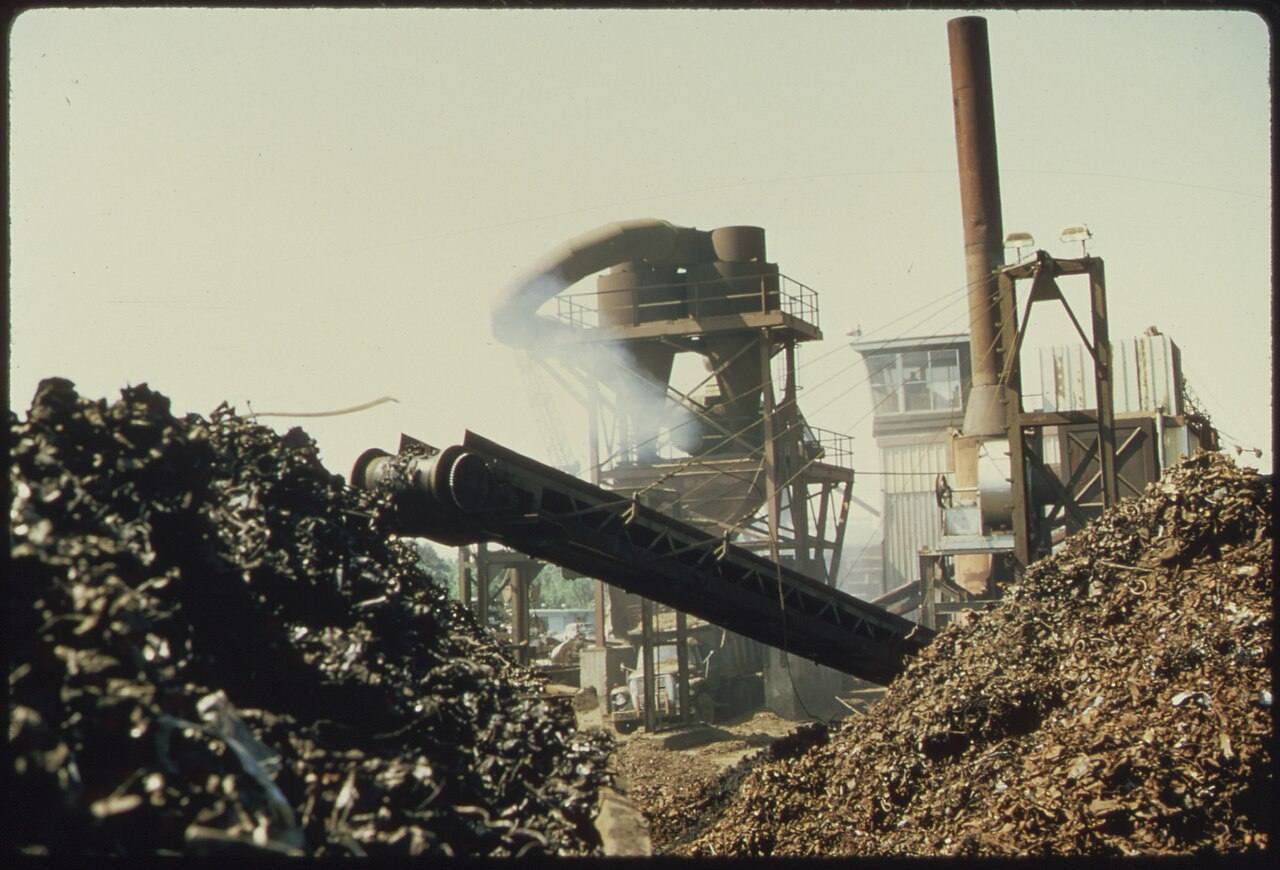
Institutional Protectionism: A Double-Edged Sword
The auto manufacturers have long been portrayed as the titans of industry. Yet, beneath the gleaming exteriors of brand-new models lies a complex web of institutional safeguards designed to protect their interests. While these measures can foster stability, they also stymie competition and innovation. The recent pattern of mergers and acquisitions within this sector illustrates a troubling trend: larger companies are swallowing smaller ones, often at the expense of consumer choice and market dynamism.
Take the recent merger of two prominent automakers. While corporate executives tout the benefits of streamlined operations and increased market share, the reality is that consumers may soon find themselves with fewer options. This trend raises a critical question: Are we sacrificing innovation at the altar of corporate stability?
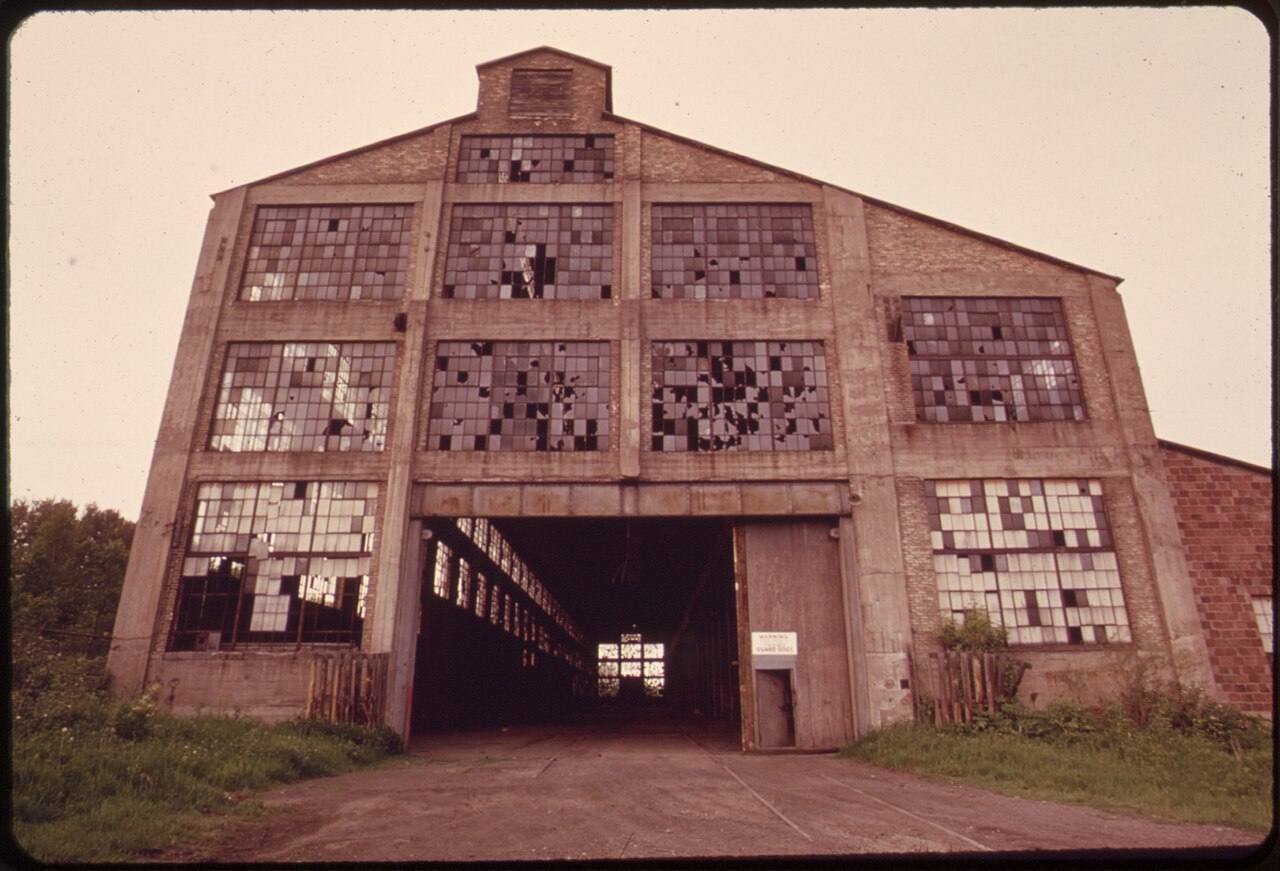
"In the race for survival, the auto industry risks losing its competitive edge."
Labor Relations: A Tipping Point
On the labor front, the United Auto Workers (UAW) is flexing its muscles with a series of strikes and negotiations. While the workers' demands for better wages and working conditions are certainly valid, the approach taken by some union leaders can border on excessive. The current climate of labor unrest poses a risk not only to the auto companies but also to the very workers they represent. Striking for too long can lead to lost jobs and a weakened industry, leaving all parties worse off.
Moreover, the UAW's staunch resistance to automation and technological advancements raises concerns. In an era where efficiency and productivity are paramount, clinging too tightly to traditional labor practices could hinder the industry’s ability to adapt. The balance between protecting workers' rights and embracing innovation is delicate, and both sides must tread carefully.
Environmental Concerns: A Balancing Act
As we enter an age where environmental awareness is on the rise, the auto industry faces mounting pressure to reduce emissions and promote sustainable practices. While the push for cleaner vehicles is commendable, the approach taken by some advocates can come across as alarmist. The narrative often paints automakers as the villains of environmental degradation, overlooking the substantial progress many companies have already made in developing fuel-efficient technologies.
It is crucial for environmental advocates to engage in constructive dialogue rather than vilifying an entire industry. A collaborative approach, where automakers are encouraged to innovate rather than punished for past mistakes, could yield far more effective results. In our pursuit of a greener future, let us not forget that the auto industry plays a vital role in our economy and way of life.
The Role of Government: Intervention or Overreach?
Government intervention in the auto industry has become a contentious issue. On one hand, there is a pressing need for regulation to ensure safety standards and environmental compliance. On the other hand, excessive government oversight can stifle growth and innovation. The current administration's policies seem to oscillate between these two extremes, leaving many in the industry uncertain about the future.
We must ask ourselves: are we fostering a competitive environment that encourages growth, or are we stifling innovation in the name of regulation? The auto industry deserves a level playing field, free from the burdens of excessive bureaucracy, while still being held accountable for its environmental and safety obligations.
Conclusion: A Call for Balance
The auto industry stands at a crucial juncture. As it navigates the complexities of institutional protectionism, labor relations, environmental concerns, and government oversight, it is imperative that all stakeholders - manufacturers, labor unions, environmental advocates, and government officials - come together to foster a more balanced approach.
Excesses on either side of the spectrum threaten to derail progress and innovation. A collaborative mindset can pave the way for a more sustainable and prosperous auto industry that not only meets the demands of the present but also anticipates the needs of the future.
✦ ✦ ✦