From the file. Written for the paper dated May 1973. Opened in the public stacks July 14, 2026.
As the retail landscape continues to evolve in May 1973, there is much to dissect regarding the current state of consumer spending. Amid the ongoing national debates about inflation, economic policies, and social change, one thing is clear: a curious certainty is driving brisk sales in various sectors.
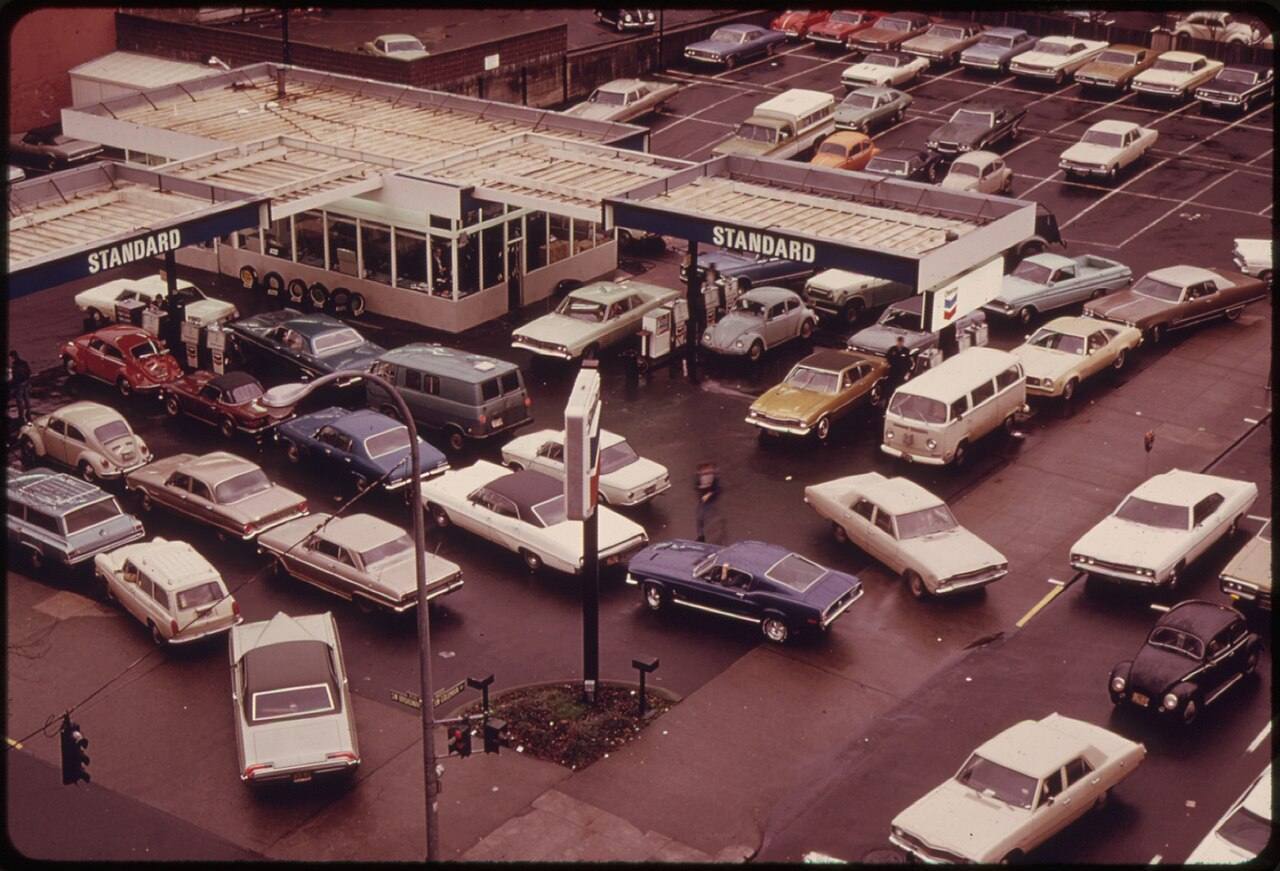
Consumer Confidence Amidst Turmoil
In the wake of recent political scandals and economic concerns, consumer confidence has surprisingly held steady. The recent surge in retail sales indicates that households are not entirely paralyzed by the fear of economic instability. In fact, many consumers are choosing to embrace a sense of normalcy, reflected in their shopping behaviors. Department stores report an uptick in sales not just of everyday essentials but also of discretionary items, suggesting that consumers are willing to spend despite the headlines.
"It's as if shoppers are determined to keep their lives on track, regardless of the chaos around them."
This curious trend raises questions about the motivations behind this spending. Are Americans simply trying to maintain a façade of normalcy, or is there a deeper drive at play? It appears there is an underlying belief that the economy will recover, and individuals are eager to partake in that anticipated resurgence. This optimism may be misplaced, but it is nonetheless palpable in the aisles.

Retail Strategies in the Spotlight
Retailers are responding to this wave of consumer spending with a myriad of strategies aimed at maximizing profits while catering to the evolving preferences of shoppers. Companies are diversifying their inventory to include a wider range of products that appeal to both budget-conscious consumers and those willing to splurge. From stylish apparel to high-tech gadgets, the retail sector is embracing an all-inclusive approach to keep customers engaged.
Moreover, the rise of marketing tactics that emphasize emotional connections with consumers has become a hallmark of successful campaigns. Advertisements now provoke nostalgia, encourage aspiration, or simply promote the enjoyment of life amidst uncertainty. This shift towards more personal marketing strategies appears to resonate with shoppers, allowing retailers to tap into a shared sentiment of resilience.
Left and Right: The Politics of Consumption
However, one cannot overlook the broader political context in which these retail dynamics are unfolding. On the left, there is a growing sentiment that emphasizes corporate responsibility and the need for businesses to contribute positively to society. Yet, some argue that this focus on corporate ethics can lead to unrealistic expectations of businesses to bear the burden of social change without adequate support from government policies.
On the right, the emphasis on free-market principles continues to prevail, with calls for deregulation and reduced government intervention. While these arguments can be compelling in promoting a thriving economy, they often ignore the stark realities faced by many workers who struggle to make ends meet. The tension between these two extremes highlights the challenges retailers face in navigating a complex socio-political landscape.
"In the end, it's the everyday consumer who feels the ripples of these ideological battles."
As retailers try to balance the demands of their consumers with the competing ideologies of the political spectrum, they must tread carefully. Overemphasizing the political motivations behind consumer habits can alienate customers, while ignoring these realities risks missing the mark entirely. A nuanced approach that acknowledges the multifaceted nature of consumer behavior may be the key to success.
Conclusion: The Storefront of Tomorrow
As we move further into 1973, the retail environment remains a microcosm of the larger societal shifts taking place around us. While consumer spending shows signs of strength, it is clear that the underlying issues of economic uncertainty and political divisiveness are far from resolved. Retailers must remain vigilant, adapting to not only the desires of their customers but also the broader implications of the socio-political climate.
Ultimately, the future of retail will hinge on the ability of businesses to connect with consumers on a deeper level while navigating the tumultuous waters of political and economic discourse. Whether through innovative marketing strategies or a commitment to corporate responsibility, the storefront of tomorrow will need to reflect the values and aspirations of an increasingly complex society.
✦ ✦ ✦