From the file. Written for the paper dated May 1973. Opened in the public stacks July 14, 2026.
As the nation grapples with a growing nursing shortage, we find ourselves caught in a paradox where certainty is sold like a cure-all, yet the reality is far more complex.

The Diminishing Ranks of Nurses
The nursing profession is experiencing a critical shortage that has left healthcare facilities scrambling to meet the needs of a rapidly aging population and the increasing demands of modern medicine. Hospitals and clinics across the country are reporting vacant positions and an overwhelming workload for existing staff. This crisis has not only raised concerns about patient care but has also ignited heated debates among policymakers and healthcare leaders.
As the shortage becomes more pronounced, one cannot help but notice the stark contrast in narratives being spun by both sides of the political aisle. On one hand, we have liberal advocates who paint the nursing crisis as a direct result of systemic failures - insufficient funding for education, poor working conditions, and inadequate salaries. On the other hand, conservative voices argue that the solution lies in deregulation and market-driven approaches that they claim would incentivize more individuals to enter the profession.
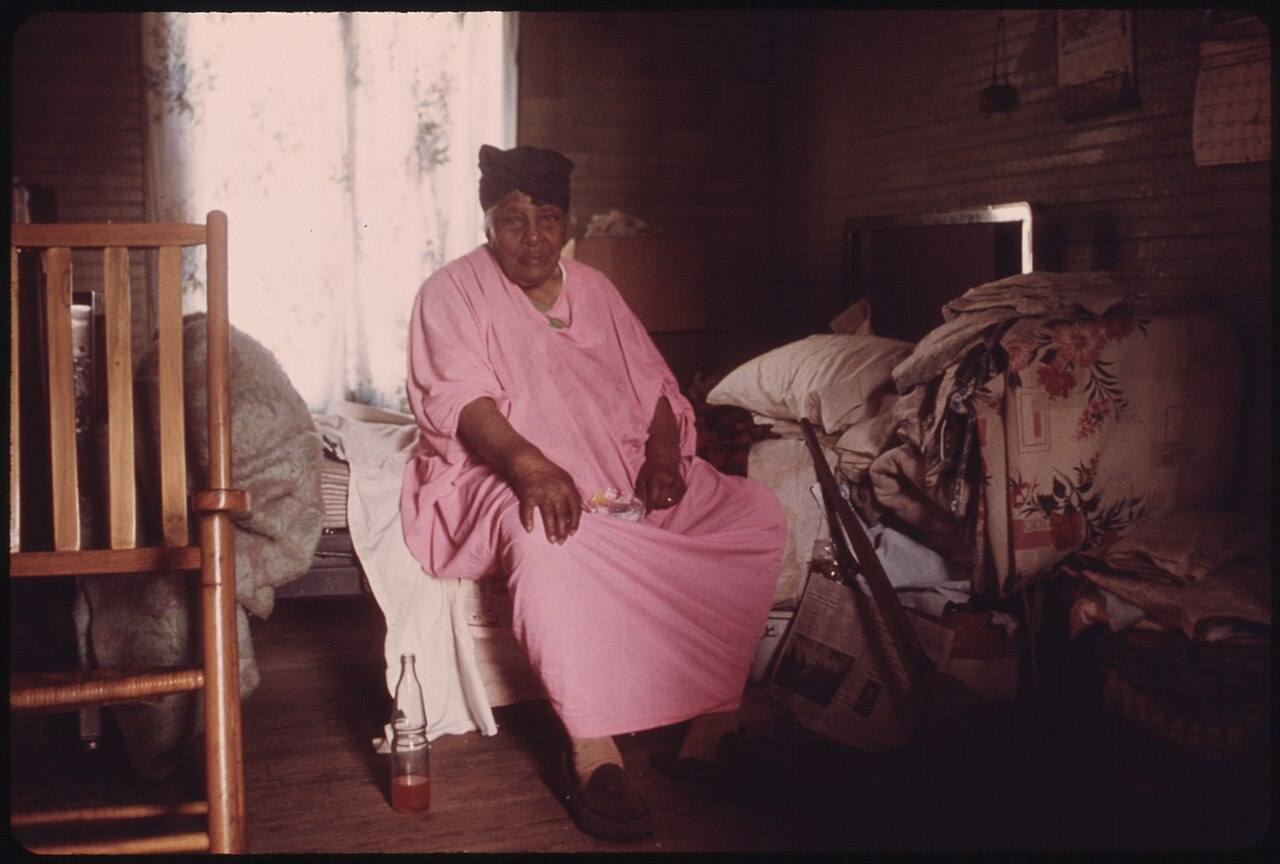
Left-Wing Certainty: A Call for Systemic Change
Progressives assert that the nursing shortage is fundamentally a reflection of societal neglect towards the healthcare sector. They advocate for increased federal funding for nursing education programs, better pay for nurses, and improved working conditions. Prominent voices demand that the government step in to ensure that nursing schools can produce graduates in sufficient numbers to meet the demand.
"Nurses are the backbone of our healthcare system, and a society that undervalues their contribution is bound to face dire consequences."
While these concerns are valid and merit serious attention, there is a danger in oversimplifying the issue. The call for greater federal intervention may inadvertently stifle innovation within the healthcare sector. Bureaucratic solutions may lead to a one-size-fits-all approach, which could alienate those who genuinely want to make a difference in healthcare delivery. Moreover, this perspective often overlooks the resilience and creativity of local healthcare institutions that have successfully adapted to challenges without relying solely on government support.
Right-Wing Certainty: Market Solutions
Conversely, conservatives argue that the answer to the nursing shortage lies in a free-market approach. They suggest that reducing regulations on nursing schools will encourage more institutions to open their doors and produce more graduates. Additionally, there is a push for financial incentives, such as tax breaks, for healthcare providers who offer competitive salaries and benefits to attract nursing talent.
"Market forces will ultimately determine the best solutions to the shortage, not government mandates."
While market-driven solutions have their merits, they also carry significant risks. The emphasis on profit can lead to the commodification of healthcare, where the needs of patients are secondary to financial incentives. Furthermore, a focus on deregulation may compromise the quality of nursing education, as institutions rush to meet demand without ensuring that students receive the comprehensive training they need to provide safe and effective care.
The Middle Path: A Balanced Approach
With both extremes offering certainty in their solutions, the reality is that a balanced approach may be the most effective way to address the nursing shortage. It is essential to recognize that while systemic change may be necessary, so too is the acknowledgment of the capabilities inherent within the healthcare market. Collaboration between government and private sectors could lead to innovative solutions that address the immediate needs of the nursing workforce while also ensuring long-term sustainability.
For instance, mentorship programs that pair seasoned nurses with newcomers can help ease the transition into the profession while fostering a culture of support and retention. Similarly, partnerships between healthcare facilities and educational institutions can create tailored programs that meet the unique needs of local communities.
Conclusion: The Need for Nuance
The nursing shortage is a multifaceted issue that requires a nuanced understanding rather than a simplistic solution. Those advocating for sweeping changes must be cautious not to overlook the realities of the healthcare landscape, while supporters of market solutions should not dismiss the dire need for systemic reform. It is only through a thoughtful and collaborative approach that we can begin to address the challenges facing the nursing profession and, by extension, the health of our nation.
✦ ✦ ✦