From the file. Written for the paper dated April 1973. Opened in the public stacks July 14, 2026.
In an America increasingly aware of the disparities in healthcare access, the phenomenon of pharmacy deserts has emerged as a critical issue deserving attention. Yet, as we sift through the political rhetoric of both sides, it becomes clear that bipartisan selective memory threatens to overshadow the urgent needs of communities left without adequate pharmaceutical care.

The Shrinking Pillbox
For many citizens, a trip to the pharmacy is a routine part of their healthcare regimen. However, for millions of Americans, particularly those in rural and economically disadvantaged urban areas, that trip is fraught with challenges. Pharmacy deserts, areas devoid of easily accessible pharmacies, leave many without essential medications. The consequences are dire, particularly for those managing chronic conditions who depend on consistent access to prescriptions.
Current statistics suggest that while urban centers may enjoy a plethora of pharmacies, rural regions suffer significantly. The lack of access to medications not only exacerbates health issues but also increases the burden on healthcare systems, leading to more frequent hospital visits. Yet, as we observe the discussions emanating from Washington, it seems both the left and right have chosen to remember only what suits their narratives.
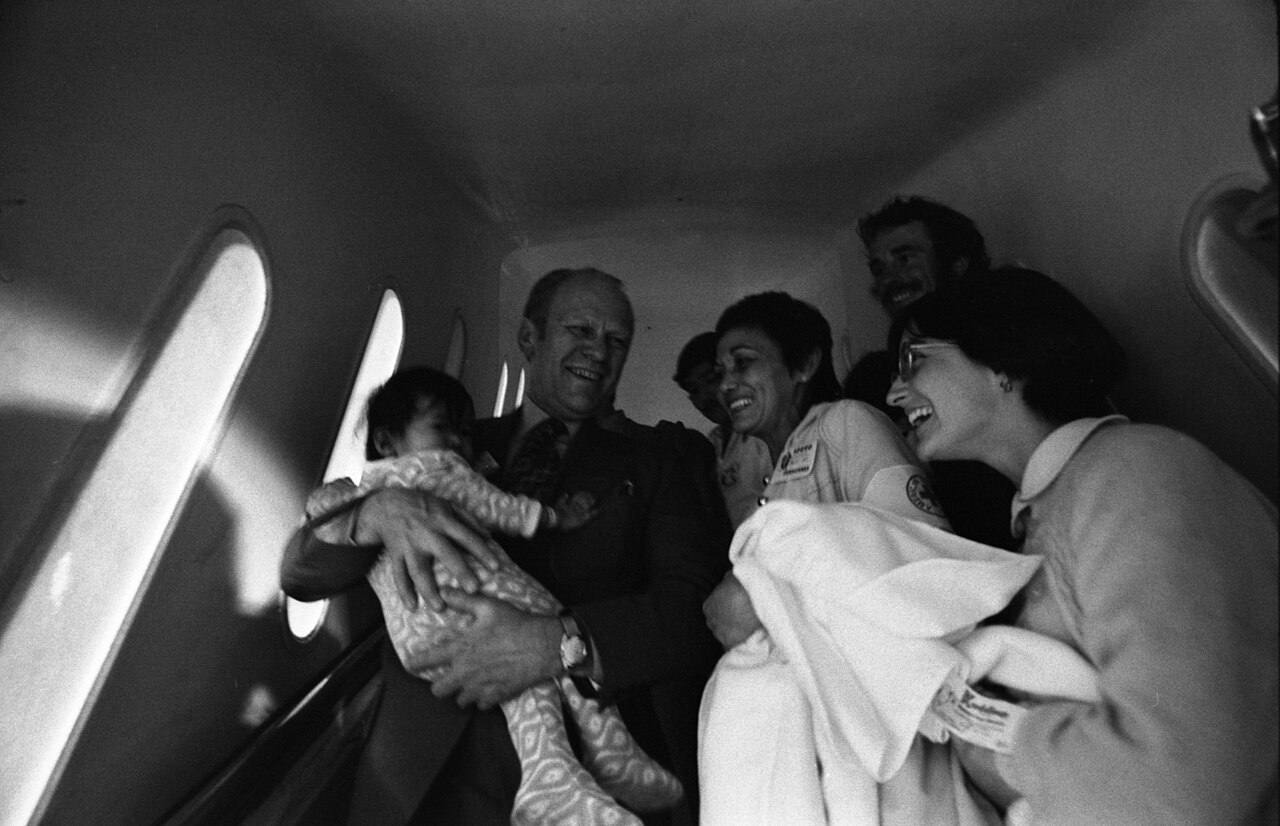
"In a political landscape dominated by sound bites, the real stories of pharmacy deserts are often left unheard."
Bipartisan Amnesia
On one hand, we have the left, advocating for comprehensive healthcare reforms that recognize the systemic issues contributing to pharmacy deserts. They push for policies aimed at increasing funding for community health initiatives, yet often overlook the role of existing government regulations that may inadvertently stifle the establishment of new pharmacies in underserved areas. For instance, the cumbersome approval processes and permits can deter potential pharmacy owners from venturing into these markets, effectively maintaining the status quo.
Conversely, the right often touts the virtues of free market solutions, claiming that deregulation will solve the pharmacy desert issue. However, this approach frequently ignores the socioeconomic factors at play. Simply deregulating the pharmacy industry won’t magically ensure that pharmacies will set up shop in low-income neighborhoods where profit margins are thin. The vision of a thriving marketplace fails to account for the reality that many communities simply cannot sustain a pharmacy without targeted assistance.
Health Care vs. Profits
At the heart of the pharmacy desert issue lies a deeper question: how do we prioritize healthcare access over profit? Pharmaceutical companies and large pharmacy chains have financial interests that often conflict with the needs of the communities they serve. This profit-driven model can lead to the abandonment of areas where the economic return is insufficient, leaving vulnerable populations in the lurch. Both sides of the political spectrum must confront the uncomfortable truth: the current healthcare system is not designed with equal access in mind, but rather with profitability as its primary motivator.
Finding Common Ground
In a time when the nation seems increasingly polarized, there is an opportunity for bipartisan cooperation to address pharmacy deserts. Both sides must abandon their selective memory and acknowledge the multifaceted nature of this crisis. Solutions must be collaborative, involving local governments, community organizations, and the private sector to create a sustainable framework for pharmacy access.
Potential initiatives could include incentivizing pharmacy chains to open locations in underserved areas through tax breaks or grants, as well as streamlining the regulatory process for new pharmacies. Furthermore, integrating pharmacists into community health initiatives may provide a dual benefit: increasing access to medications while enhancing overall healthcare coverage in these communities.
The Road Ahead
As we move forward, it is imperative that we confront the issues of pharmacy deserts with the seriousness they warrant. The political theatrics surrounding healthcare reform must give way to genuine dialogue and actionable solutions. Acknowledging the complexities and the need for cooperation will be essential in addressing the healthcare disparities that plague our nation.
✦ ✦ ✦