From the file. Written for the paper dated March 1973. Opened in the public stacks July 14, 2026.
In an age where outrage seems to be the currency of public discourse, we find ourselves grappling with a troubling reality: the commodification of anger has become a hallmark of political engagement, leaving the true essence of civic responsibility in the dust.

Outrage as a Commodity
The recent spate of demonstrations and public outcries has brought to light a peculiar phenomenon: outrage is no longer just a response to injustice; it has morphed into a product, neatly packaged and marketed to the masses. From the left's fervent protests against the Vietnam War to the right's passionate calls for law and order, both sides of the political spectrum have capitalized on this emotional currency, often with little regard for the underlying issues at stake.
What was once a genuine expression of dissent has become a spectacle, where the loudest voices dominate the stage, drowning out the quieter, more reasoned opinions. This shift raises fundamental questions about the nature of our political engagements. Are we engaging in meaningful dialogue, or are we merely spectators in a circus of outrage?
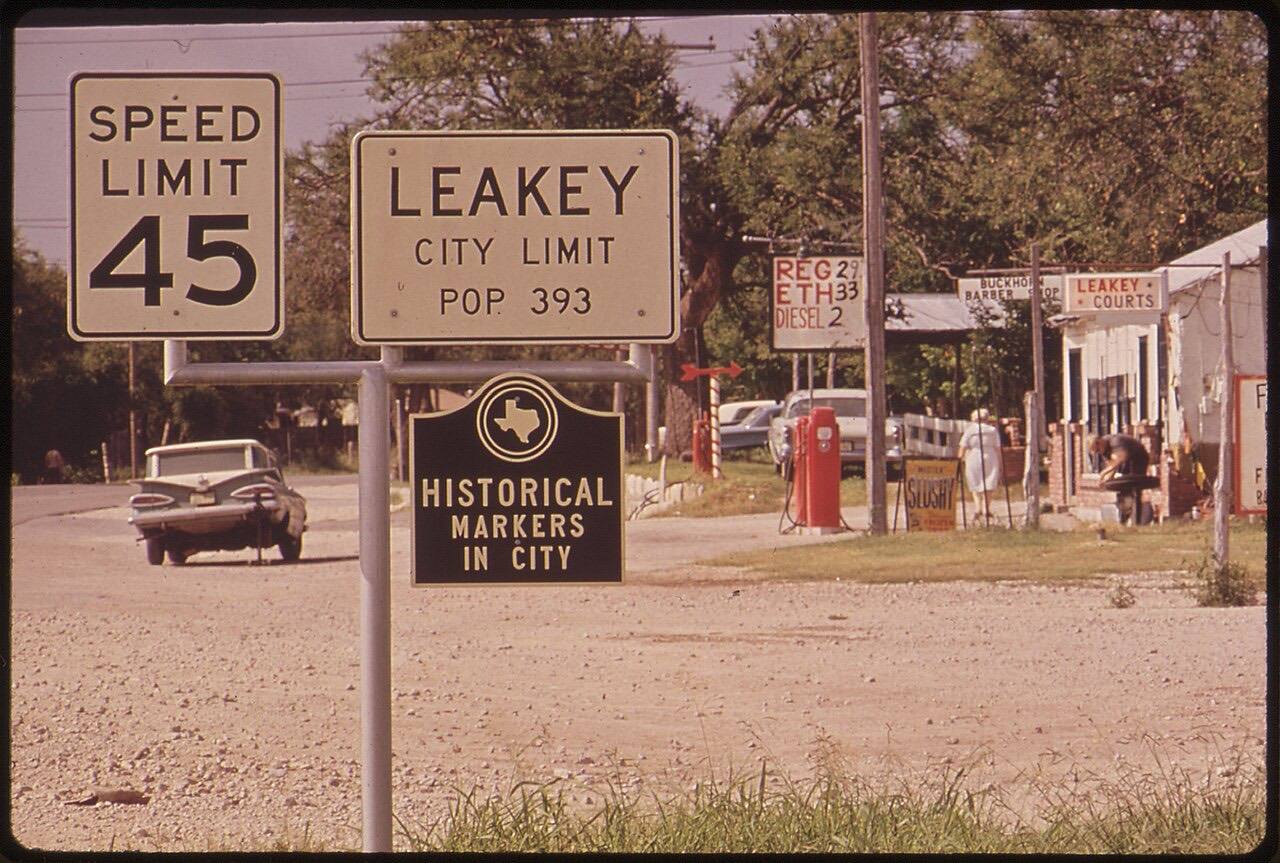
Outrage has become less about the cause and more about the performance.
The Left: Passionate but Excessive
On the left, the passion ignited by social justice movements has often veered into the territory of excess. The fervor surrounding civil rights, women's rights, and anti-war protests is commendable, yet it can sometimes overshadow the nuanced discussions that are essential for progress. The urgency to act can lead to a dismissal of reasoned debate, resulting in a monolithic stance that leaves little room for dissent within the movement itself.
Moreover, the left's tendency to adopt a moral high ground can alienate moderate voices. By framing issues in stark black and white terms, they risk pushing away potential allies who may share similar goals but are put off by the aggressive rhetoric. The question arises: is the pursuit of justice worth sacrificing the art of persuasion? In a democracy, the ability to convince and collaborate is paramount, yet it seems to be lost amid the clamor for immediate results.
The Right: Reactionary and Rigid
Conversely, the right has not been immune to the allure of outrage as product. The call for law and order, while resonating with many concerned citizens, often comes with an undertone of rigidity that dismisses the legitimate grievances voiced by the left. In their quest to restore a perceived lost order, they risk oversimplifying complex social issues, framing dissent as unpatriotic and thereby stifling constructive dialogue.
This reactionary stance can be equally damaging, as it polarizes the political landscape further. Rather than engaging in productive discussions about the root causes of unrest, the right seems to prefer a rallying cry that reinforces existing divides, fostering an atmosphere of hostility rather than understanding. The tendency to label opposing views as radical or extremist only serves to entrench both sides in their respective corners, with little hope for a middle ground.
A Call for Oversight
This rampant commodification of outrage signals a failure of oversight - both within our political institutions and among the citizenry. Media organizations, in their bid for ratings, often amplify the loudest voices, inadvertently prioritizing spectacle over substance. This has created an echo chamber where outrage is not only expected but celebrated, further fueling a vicious cycle of conflict.
Citizens, too, bear responsibility. In a time when information is readily available, the onus is on individuals to seek out diverse perspectives and engage with them thoughtfully. Embracing complexity rather than succumbing to the allure of simplicity is critical for a healthy democracy. The ability to listen and compromise is essential, yet it seems to be in short supply amid the cacophony of outrage.
Moving Forward
The path forward requires a conscious effort to reclaim outrage as a tool for constructive change rather than a mere product for consumption. Both left and right must recognize that their extremes do not represent the majority of Americans, who are often more moderate in their views. Acknowledging this reality is the first step toward bridging the gap between polarized factions.
Moreover, fostering environments where dialogue can flourish is paramount. Community discussions, town halls, and bipartisan initiatives can all serve as platforms for exchanging ideas without the overshadowing presence of outrage. When citizens engage with respect and openness, the potential for meaningful change grows exponentially.
As we navigate this tumultuous political landscape, let us remember that outrage can be a powerful catalyst for change, but it must be wielded responsibly. Rather than allowing it to define our interactions, we must strive to ensure that it serves as a means to an end - a tool for justice, equality, and understanding, rather than a product for the masses.
✦ ✦ ✦