From the file. Written for the paper dated March 1973. Opened in the public stacks July 14, 2026.
As we navigate through the thick fog of political machinations in Washington, the issue of lobbying disclosure continues to loom large, revealing a quiet failure of oversight that demands our attention.

The Unraveling of Intent
In recent years, the clamor for greater transparency in the halls of power has intensified. Yet, as we approach the end of the first quarter of 1973, it becomes increasingly clear that the promises of reform have not been met with the necessary vigilance. The Lobbying Disclosure Act of 1972, heralded as a step towards accountability, is now more a case of political theater than a genuine stride towards openness.
Supporters of the Act, which requires lobbyists to register and disclose their activities, hoped it would provide a clearer picture of who is influencing our lawmakers. However, the reality is that many lobbyists continue to sidestep the requirements, operating in the shadows as they attempt to shape policy from behind closed doors. The loopholes within the legislation appear too enticing for those looking to evade scrutiny, and the lack of robust enforcement mechanisms ensures that the status quo remains largely unchanged.
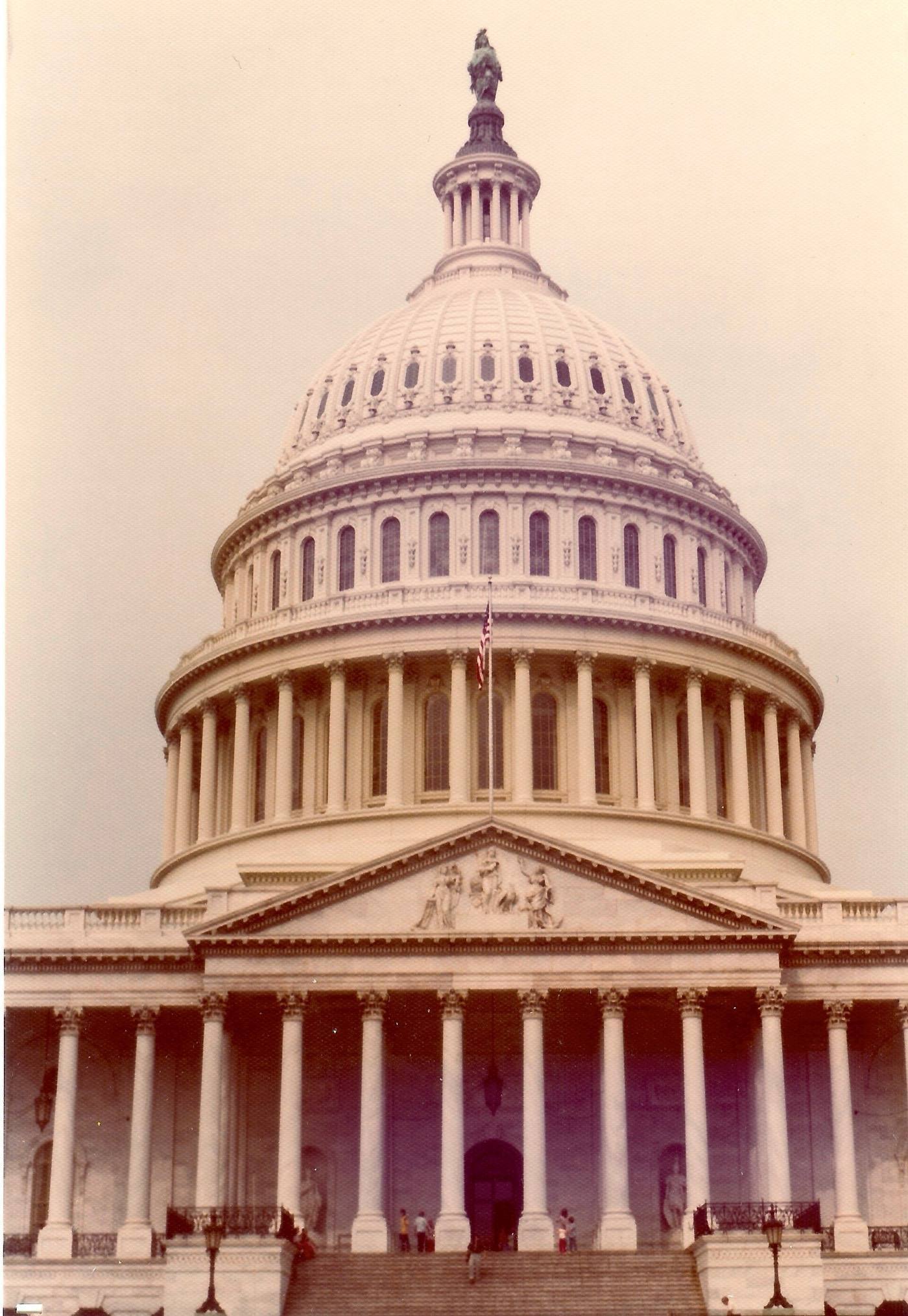
"In the end, it is the public that suffers when legislators are swayed by hidden forces."
A Matter of Partisanship
This lack of accountability is not solely a failure of the right or the left; it is a collective shortcoming that cuts across party lines. While some conservatives argue that lobbyists serve essential roles in representing various interests, the potential for abuse and undue influence is gravely concerning. On the other hand, the liberal factions pushing for progressive change often rely on the very same lobbying groups to further their agendas. This creates a paradox: how can we expect genuine reform when those calling for change are themselves entangled in the web of lobbying?
Both sides of the aisle must confront the uncomfortable truth that their reliance on lobbyists undermines their credibility. The left champions social welfare programs while engaging with corporate interests that may oppose them. Meanwhile, the right promotes fiscal responsibility yet often bows to the demands of wealthy donors and organizations. This dance of convenience has led to a disillusioned public wary of the motives behind each piece of legislation.
The Call for Real Change
What is needed now is not just a recommitment to the spirit of the Lobbying Disclosure Act but a significant overhaul of how lobbying is regulated. Politicians must step beyond mere rhetoric and take tangible steps to close the loopholes that allow for clandestine operations. This includes increasing the penalties for noncompliance and establishing an independent body to oversee lobbying activities. Only then can we begin to restore faith in our political institutions.
Moreover, the public must become more engaged in this conversation. It is not enough to simply voice discontent; citizens must demand accountability from their elected officials. Grassroots movements can play a pivotal role in holding politicians accountable, ensuring that they prioritize the needs of their constituents over the interests of powerful lobbyists.
The Future of Lobbying
As we forge ahead into the uncharted waters of the 1970s, the issue of lobbying will remain a battleground for those who seek to shape our democracy. The stakes are high, and the potential for abuse remains ever-present. If we are to foster a truly democratic society, we must confront the challenges of lobbying with both courage and resolve.
It is time to reject complacency and demand that our leaders take a stand against the murky practices that have clouded our political landscape. Only through concerted efforts can we hope to create a system that is responsive to the public's needs rather than the whims of special interests. The journey towards transparency may be fraught with challenges, but it is one that we must undertake if we are to reclaim the integrity of our democracy.
✦ ✦ ✦