From the file. Written for the paper dated February 1973. Opened in the public stacks July 14, 2026.
As oil prices continue to fluctuate amid geopolitical tensions and shifting domestic policies, a closer examination of the current market reveals a complex landscape that is anything but straightforward.
Current Trends in Oil Pricing
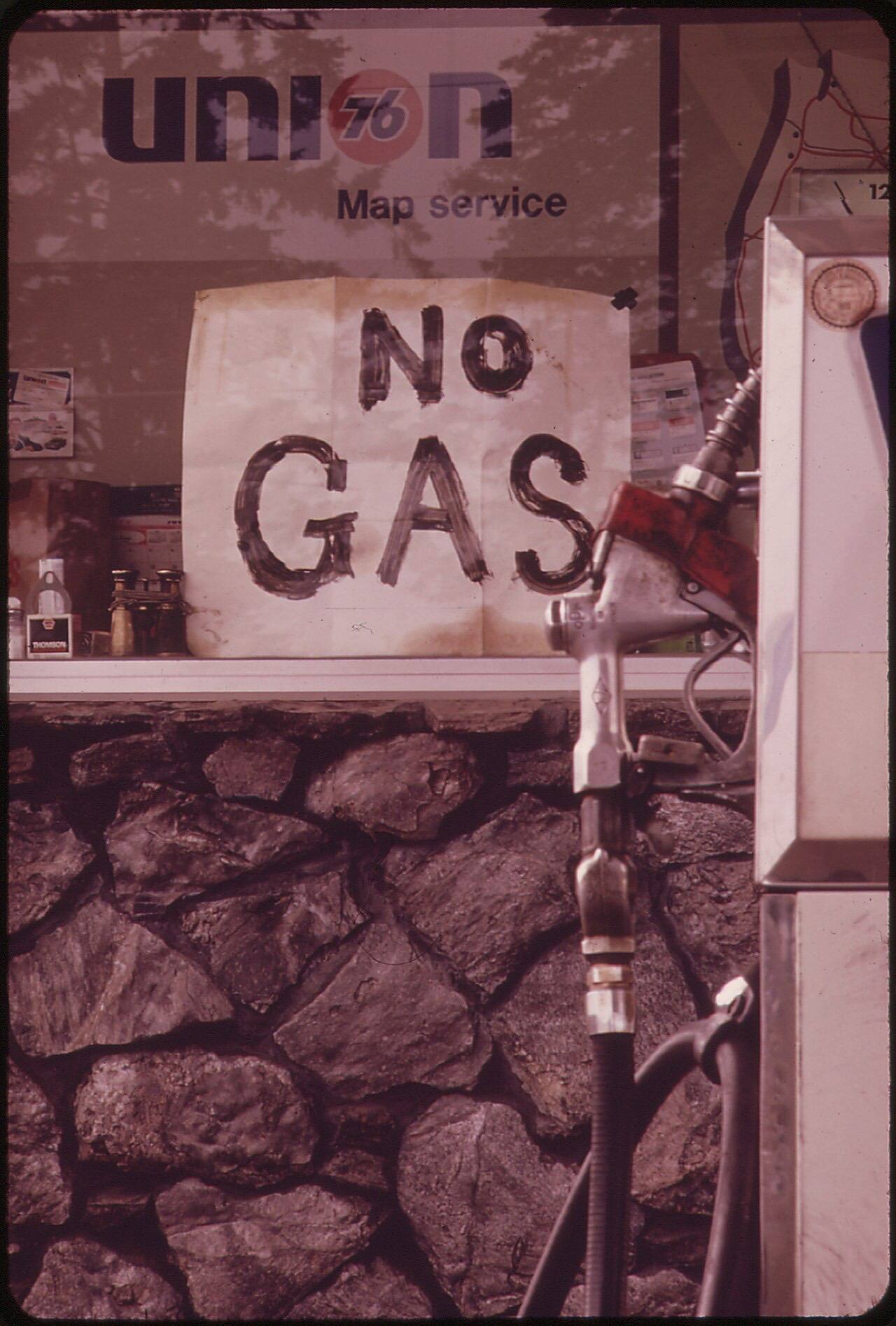
In the past week, oil prices have experienced significant ups and downs, leaving consumers, businesses, and policymakers grappling with uncertainty. The price of crude oil has seen a notable increase, largely attributed to the ongoing conflict in the Middle East, which has raised concerns over supply disruptions. Speculation has fueled fears that any prolonged instability could lead to further spikes in prices, impacting everything from heating bills to transportation costs.
As of this week, prices have risen to approximately $5.00 per barrel, marking a substantial increase from earlier in the month. Analysts suggest that this surge is not solely due to external factors, but also reflects the growing domestic demand for oil as the economy begins to recover from the previous downturn.
The Political Landscape
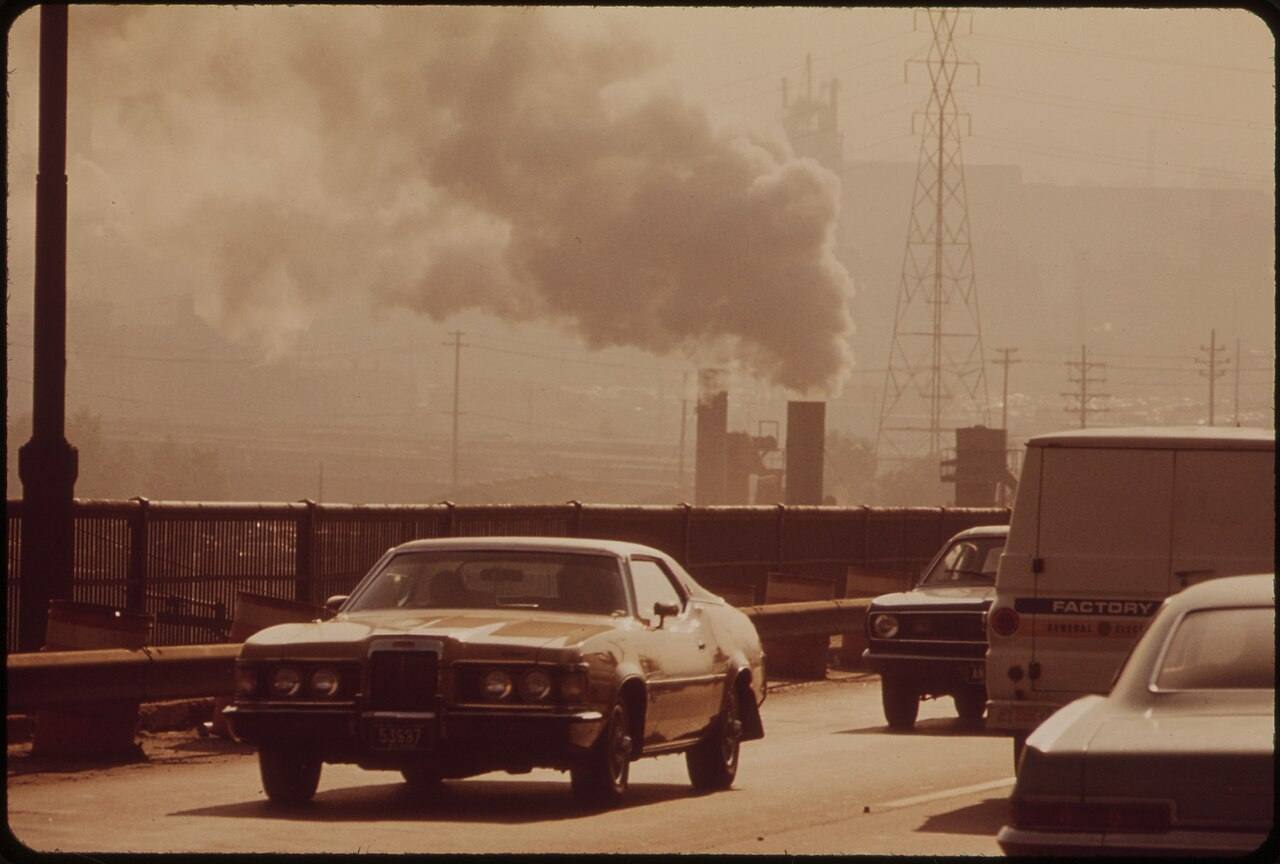
The political climate surrounding oil production and pricing has grown increasingly contentious. On one side, the left has been advocating for stronger regulations and a push toward alternative energy sources, arguing that reliance on foreign oil is both economically and environmentally unsustainable. This perspective, while well-intentioned, often overlooks the immediate needs of working-class Americans who depend on affordable energy for their daily lives.
"While a transition to renewable energy is necessary, the current realities of our economy demand a balanced approach that does not leave the average American behind."
Conversely, the right has responded with calls to further deregulate the oil industry, arguing that increased production and less government intervention would stabilize prices and spur economic growth. However, such a laissez-faire approach can often lead to environmental degradation and overlooks the long-term implications of our fossil fuel dependency.
A Call for Middle Ground
What is needed, perhaps now more than ever, is a balanced approach that recognizes the complexities of the oil market while addressing the needs and concerns of all stakeholders. A middle ground must be established, one that allows for responsible energy production while simultaneously investing in renewable alternatives. Consumers should not have to choose between affordable energy and a sustainable future.
The role of government in the oil market has become a point of contention, with various factions calling for different levels of intervention. The left's push for stricter regulations, while aimed at protecting the environment, risks alienating those who feel the economic pinch of rising prices. On the other hand, the right's call for deregulation could lead to short-term gains but may ultimately disregard the long-term sustainability of our energy resources.
Consumer Impact
The impact of rising oil prices is palpable for American consumers. Gasoline prices at the pump are climbing, and families are feeling the strain on their budgets as they navigate the rising costs of transportation and heating. Businesses reliant on transportation are also facing increased costs, which may lead to higher prices for goods and services. This inflationary pressure could stifle economic recovery and disproportionately affect lower-income households.
As we continue to monitor these developments, it is essential for both sides of the political spectrum to engage in constructive dialogue. A collaborative effort to address the pressing issues of energy production and consumption is critical. This means recognizing the urgent need for transition while also safeguarding the economic well-being of American families.
The debate surrounding oil prices and energy policy is unlikely to resolve itself quickly. With ongoing geopolitical tensions and domestic economic pressures, we can expect to see continued fluctuations in pricing. It is vital for consumers and policymakers alike to remain informed and engaged as we navigate these turbulent waters together.
Looking Ahead
As we look ahead, the questions remain: How will oil prices evolve in the coming weeks? Will political discourse shift toward a more constructive dialogue that encompasses both regulation and innovation? And most importantly, how will these changes impact the average American? The answers to these questions will shape not only the energy landscape but also the broader economic future of our nation.
✦ ✦ ✦