From the file. Written for the paper dated February 1973. Opened in the public stacks July 14, 2026.
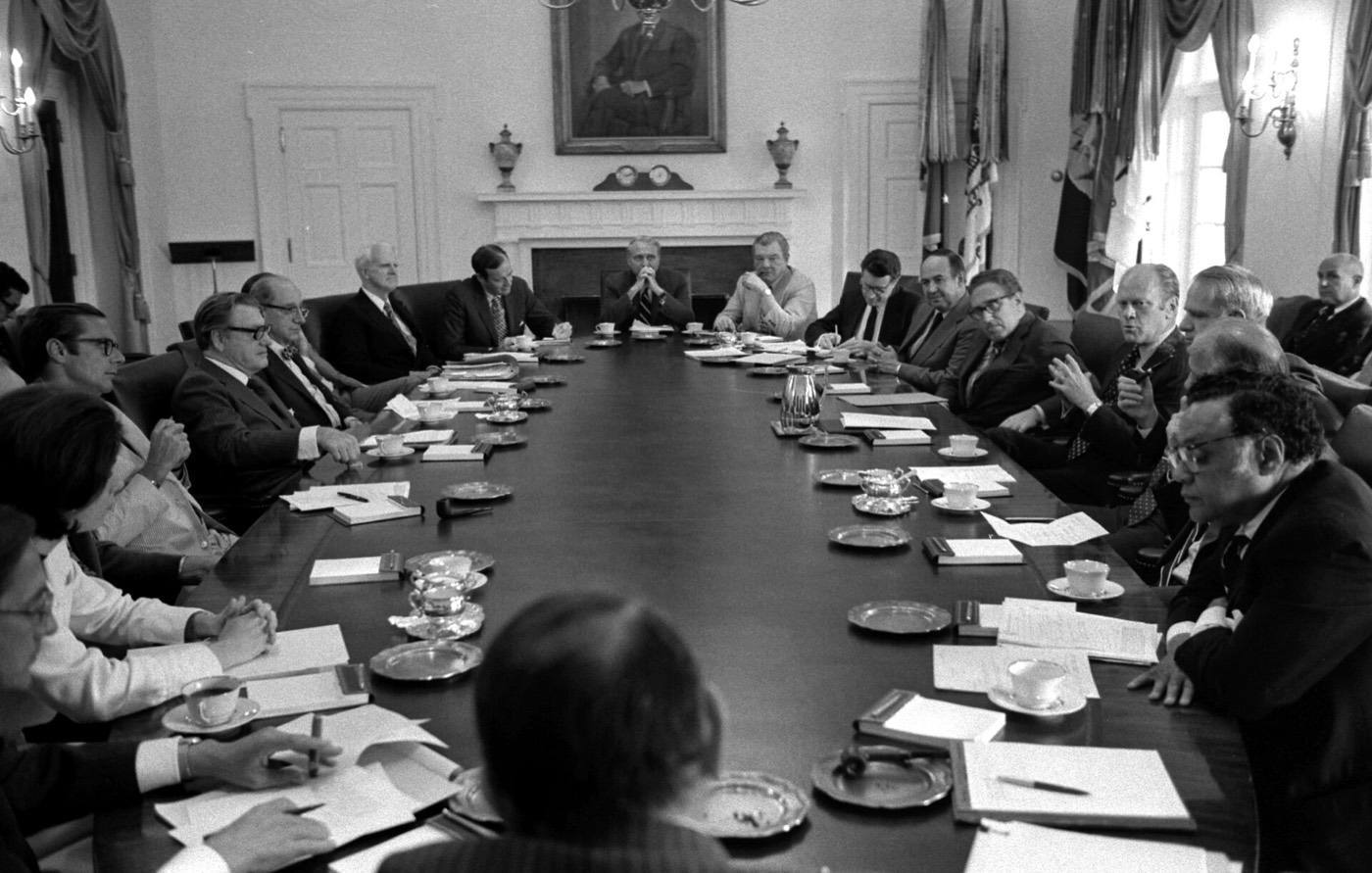
As we navigate through the tumultuous waters of February 1973, the complexities of our national intelligence estimates have come to the forefront, highlighting the polarized perspectives that continue to shape our political discourse.
Understanding the Current Landscape
In recent weeks, intelligence estimates have provided a mixed bag of insights regarding both domestic and international affairs. The ongoing conflict in Vietnam remains a critical point of analysis, with intelligence assessments suggesting a cautious optimism about the prospects of peace, albeit tempered by the persistent realities of war. While some factions on the left advocate for an immediate withdrawal, arguing from a moral standpoint, there is a palpable risk of abandoning our commitments without ensuring a stable resolution. Conversely, the right continues to push for a military solution, emphasizing strength over diplomacy, often ignoring the very real human costs associated with continued conflict.
"We must find a middle ground in our approach to national intelligence." - An unnamed analyst.
The challenge lies in reconciling these divergent viewpoints. The left's call for a swift end to U.S. involvement in Vietnam resonates with a war-weary populace, yet it risks overlooking the complexities of the region. On the other hand, the right's insistence on a hardline military stance can be perceived as an unwillingness to engage in necessary dialogue. The truth, as many analysts suggest, may reside somewhere in between these extremes.
The Domestic Front
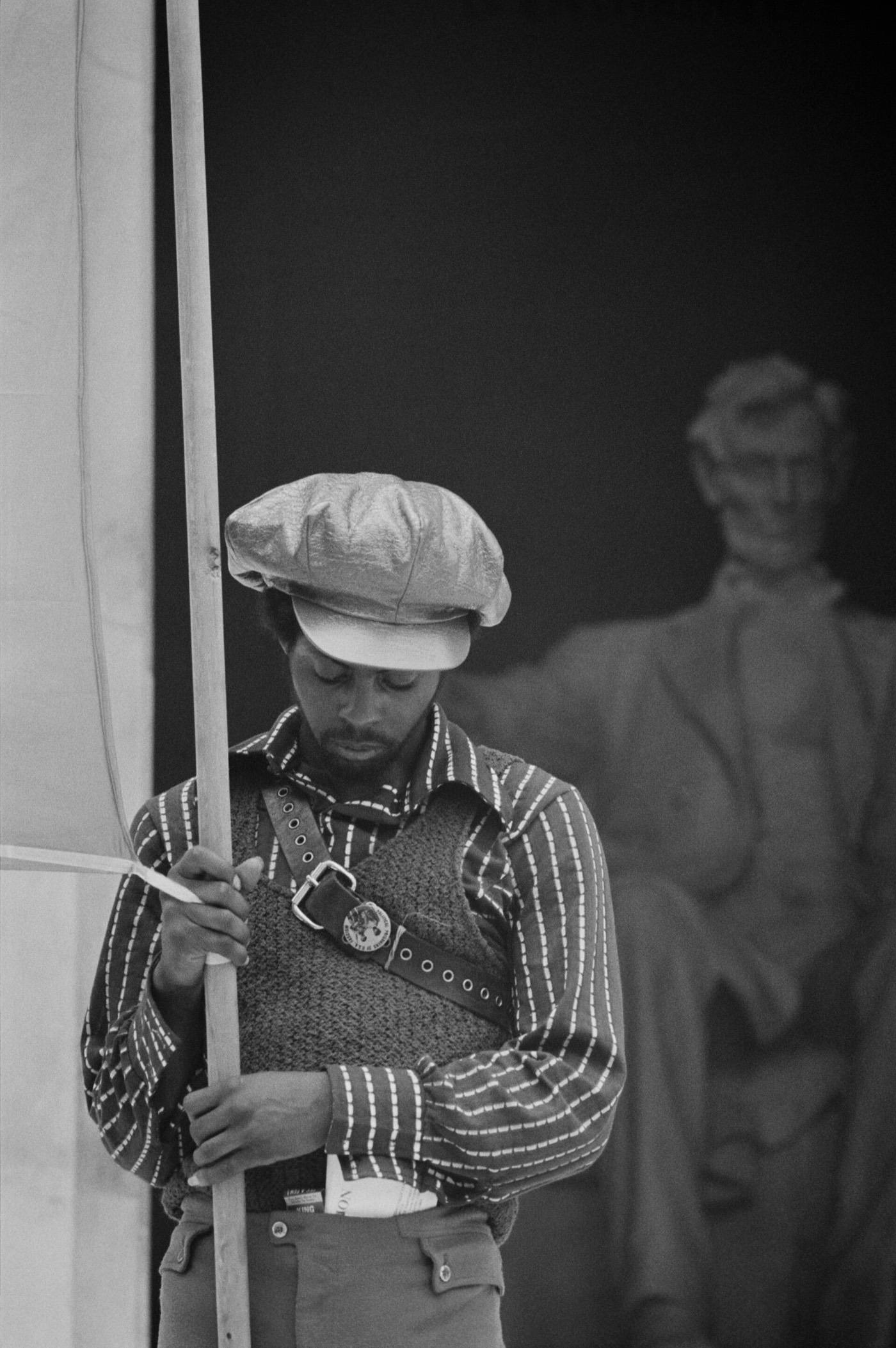
Domestically, intelligence estimates reflect growing concerns about civil unrest and the rise of radical movements. The Weather Underground and various other activist groups have taken to the streets, advocating for social change but often resorting to tactics that alienate potential allies. While the left champions the rights of marginalized groups and seeks to dismantle systemic injustices, the excesses of some factions threaten to undermine their broader goals. The rhetoric can become incendiary, pushing moderate voices to the margins and complicating the dialogue needed for true reform.
In contrast, the right's reaction to these developments often emphasizes law and order, framing the protests as threats to societal stability. While it is crucial to maintain public safety, this approach can lead to draconian measures that infringe on civil liberties. The balancing act of ensuring security while respecting the democratic process is a tightrope that our leaders must walk with care.
International Implications
On the international stage, intelligence estimates caution against an overreliance on military might as a solution to geopolitical tensions. The Nixon administration's détente strategy with the Soviet Union and China is a case in point; while there is recognition of the need for engagement, it must be coupled with a firm understanding of the underlying motivations of these nations. The rhetoric coming from both sides of the aisle often simplifies these complexities, reducing nuanced foreign policy into sound bites that resonate with their respective bases.
"Simplistic approaches to foreign policy are a disservice to our national interests." - A senior intelligence official.
The left’s idealism around global cooperation can sometimes overlook the harsh realities of power dynamics, while the right's belief in a militaristic approach can lead to escalation rather than resolution. The stakes are high, and the failure to achieve a balanced perspective may have long-lasting repercussions.
Conclusion: A Call for Moderation
As we reflect on the intelligence estimates of this week, it is clear that both left and right must confront their excesses. The left’s passion for justice should not devolve into chaos, while the right’s pursuit of order must not trample on the principles of democracy. The middle ground may not be the most popular position, but it is increasingly critical for fostering a productive dialogue that can address the pressing issues of our time.
✦ ✦ ✦