From the file. Written for the paper dated December 1972. Opened in the public stacks July 14, 2026.
As the year draws to a close, the ever-evolving field of meteorology finds itself at a crossroads where science meets the media’s insatiable appetite for certainty. With the hustle and bustle of daily news cycles, the public's demand for definitive weather predictions has created a robust market for meteorological models.
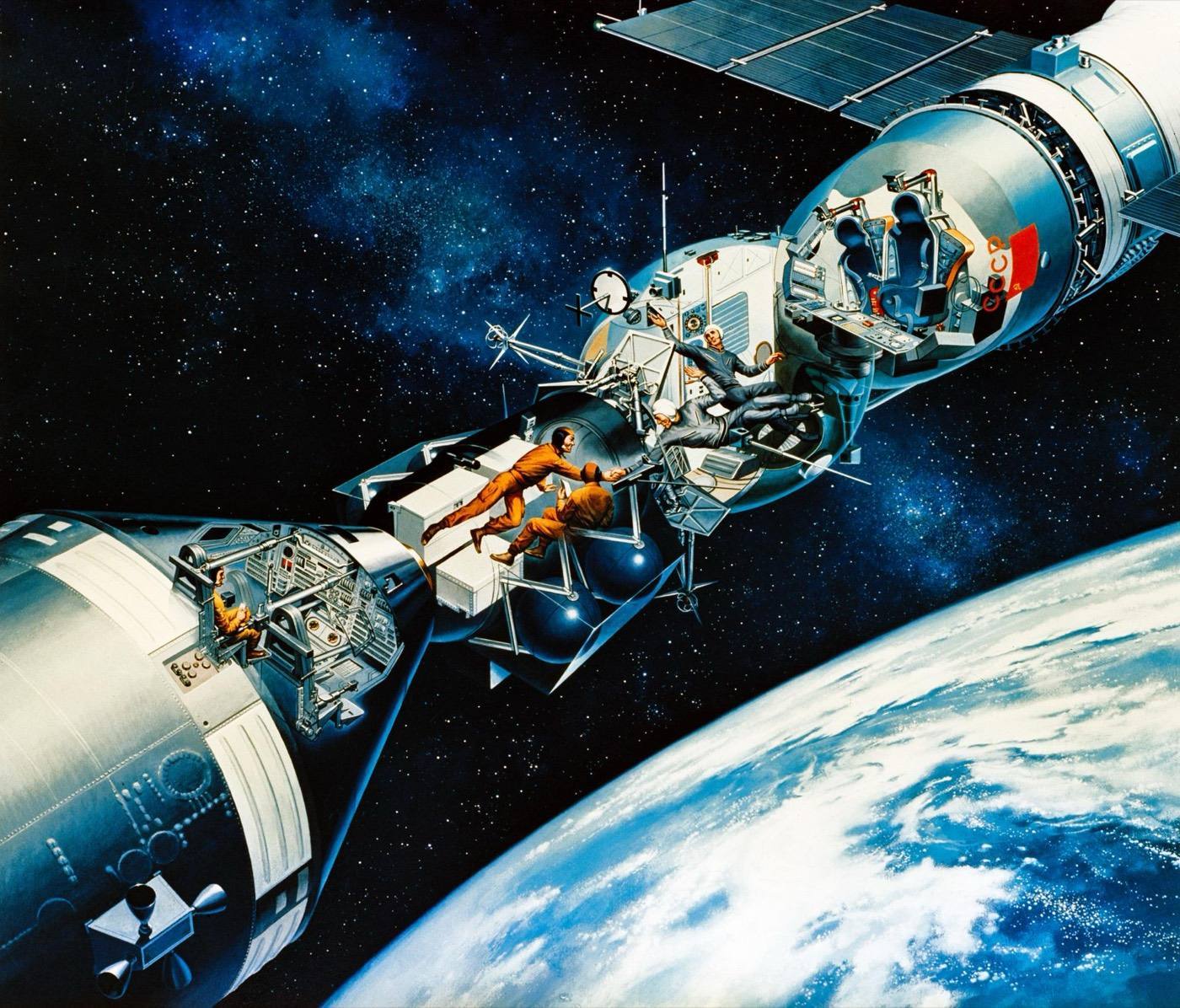
Understanding the Rise of Meteorological Models
The last few decades have seen a remarkable transformation in how we understand and predict weather patterns. Advances in technology have allowed scientists to create increasingly sophisticated weather models that can simulate atmospheric conditions with impressive accuracy. Yet, as these models gain prominence, they also draw scrutiny from various factions, each with their own agenda.
On one end of the spectrum, we have the scientific community, dedicated to refining these models to enhance their predictive capabilities. Meteorologists work tirelessly to integrate vast amounts of data from satellites and ground stations, hoping to reduce the margin of error in their forecasts. However, the growing complexity of these models can lead to confusion, as the nuances of atmospheric science often get lost in translation when presented to the public.
The Media's Role in Weather Reporting
Meanwhile, the media plays a crucial role in shaping public perception of weather forecasts. In an age where sensationalism often trumps accuracy, news outlets have a tendency to present forecasts as near-certain events, amplifying the urgency around impending storms or heatwaves. This practice satisfies viewers' desires for straightforward answers, yet it risks fostering a culture of expectation that may not always align with scientific reality.
"Certainty sells, but the nuances of weather prediction demand a more measured approach."
It is not uncommon for viewers to feel a sense of betrayal when a predicted storm fails to materialize or when an unanticipated weather event disrupts their plans. The media’s penchant for drama contributes to a cycle of disappointment, as audiences grapple with the reality that nature is inherently unpredictable.
The Cost of Certainty
As we navigate this tension between science and media, it is critical to address the implications of our collective thirst for certainty. The pressure on meteorologists to provide clear-cut forecasts can lead to oversimplifications that undermine the complexity of weather phenomena. This dynamic is especially evident in the political realm, where weather events are often used as tools to advance agendas. For instance, extreme weather is sometimes leveraged to justify environmental policies or to downplay climate change, depending on the ideological bent of the commentator.
On one side, the left may seize on weather extremes to advocate for sweeping environmental reforms, arguing that human actions are directly altering climatic patterns. While there is merit to the argument, the reliance on sensationalized weather events can detract from a more nuanced discussion about climate change and its multifaceted causes.
Conversely, the right often counters claims of imminent climate catastrophe by emphasizing natural variability and historical climate patterns. While skepticism is a valuable part of scientific discourse, it can also lead to dismissals of legitimate concerns regarding environmental degradation, particularly when the conversation shifts toward personal or corporate interests.
Finding a Middle Ground
Both extremes present a challenge to the public’s understanding of meteorology. As we step into 1973, it is essential for journalists, scientists, and policymakers to cultivate a more responsible dialogue regarding weather predictions and climate issues. Embracing the complexity of meteorological science rather than reducing it to sound bites would not only enhance public understanding but also foster a more informed citizenry.
In this era of rapid information exchange, the responsibility lies with all stakeholders to ensure that accuracy is prioritized over sensationalism. By championing scientific integrity and encouraging critical thinking, we can create a more balanced narrative around weather phenomena and climate change.
Conclusion
As we embrace the new year, let us resolve to engage with the complexities of weather forecasting and climate science with a discerning eye. The models that scientists create are invaluable tools, but they should not be seen as ultimate arbiters of certainty. Instead, they are best understood as evolving frameworks that help us navigate the unpredictable nature of our environment. In doing so, we can foster a more informed society that respects the intricacies of both science and nature.
✦ ✦ ✦