From the file. Written for the paper dated December 1972. Opened in the public stacks July 14, 2026.
As public clinics become a focal point in the ongoing debate over healthcare, we find ourselves in a moment where certainty is not just desired, but is selling briskly.
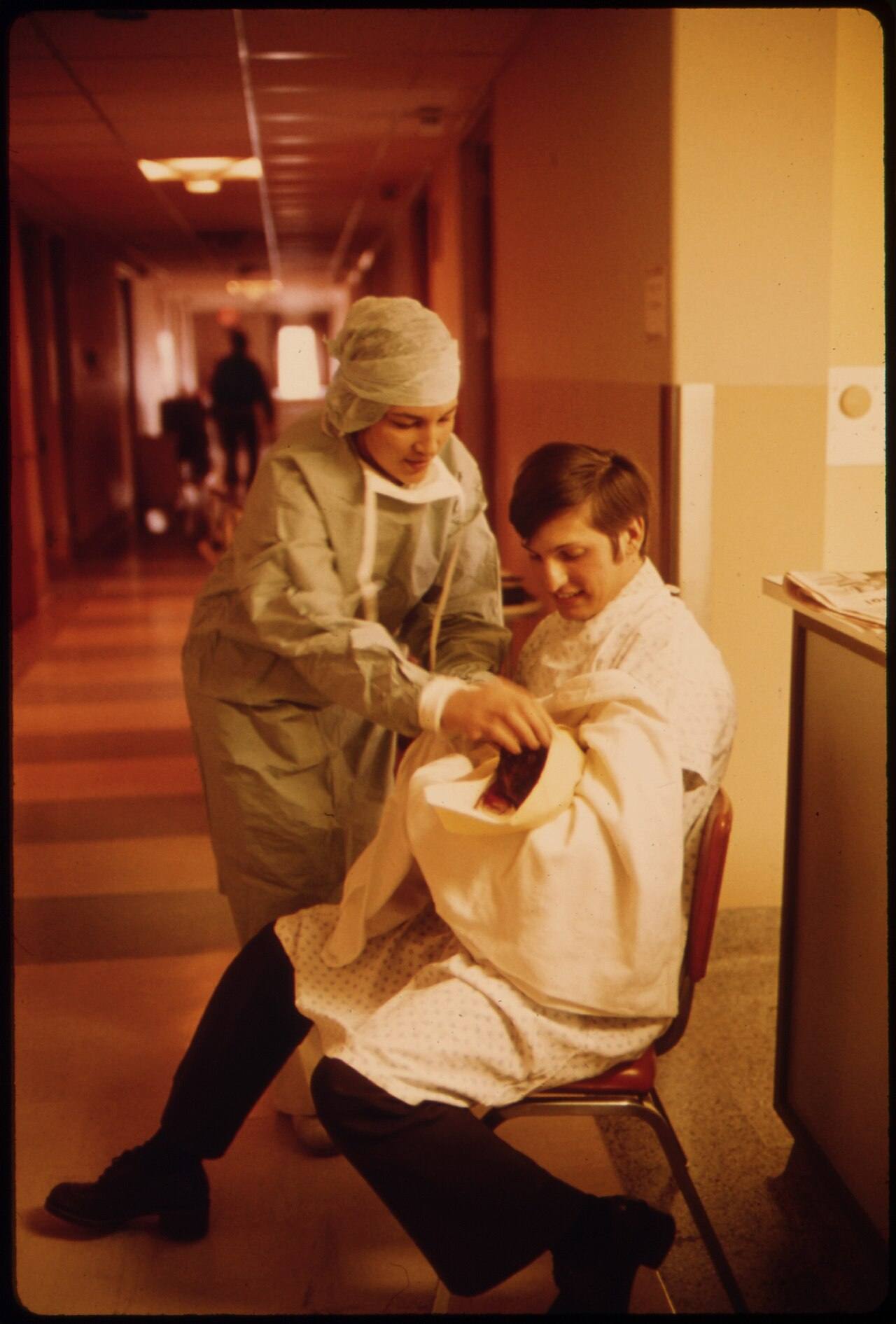
Public Clinics: A Pillar of Health or a Passing Fad?
The recent surge in public clinics across the nation has sparked a complex dialogue about the future of healthcare in America. The promise of accessible medical services for all has garnered support from various sectors, yet it also faces criticism from those who argue that such initiatives can lead to a deterioration of quality and an over-reliance on government intervention. With both sides entrenched in their views, the question remains: are public clinics a sustainable solution to healthcare needs, or merely a temporary measure in a much larger struggle?
"The promise of accessible medical services for all has garnered support from various sectors."
On the left, advocates for public health initiatives argue that the establishment of clinics in underserved areas is a monumental step toward achieving social justice. They assert that everyone, regardless of socioeconomic status, should have the right to quality healthcare. However, this perspective can veer dangerously into the realm of idealism, where the realities of funding and administrative efficacy are often glossed over. Critics worry that in their zeal to champion the cause, some progressives fail to acknowledge the potential pitfalls of government-run healthcare, including long wait times and bureaucratic inefficiencies.
Conversely, the right often paints a stark picture of public clinics as harbingers of a “nanny state” that could undermine personal responsibility. They argue that such clinics may lead to a diminished quality of care, as they are perceived as a safety net that encourages dependency rather than self-reliance. Yet, while the right's concerns about government overreach and inefficiency are valid, they too often overlook the pressing realities faced by millions of Americans who lack access to basic medical services. The current system has shown itself to be incapable of meeting the needs of all citizens, and merely dismissing public clinics as an overreach does little to address the fundamental flaws in our healthcare approach.
The debates surrounding public clinics are emblematic of the wider national discourse regarding healthcare reform. As critics from both sides amplify their voices, the moderate middle seems increasingly drowned out. Those in the center recognize the necessity of public clinics while also advocating for reforms that enhance efficiency and accountability. They argue for a balanced approach - one that draws from the strengths of both public and private sectors while minimizing the weaknesses of each.
As the public clamors for certainty regarding their health services, it is crucial to remain grounded in pragmatism rather than ideology. What is clear is that the current healthcare landscape is far from perfect. Public clinics represent a potential remedy for the inequities facing millions, yet they also come with their own set of challenges that cannot be ignored. While the left may celebrate the establishment of these clinics, and the right may decry it, real progress will require an honest appraisal of what is working and what is not.
Finding Common Ground
To move forward effectively, stakeholders from both sides must engage in constructive dialogue, recognizing that there is merit in the arguments of both progressives and conservatives. Finding common ground will be essential if we are to build a healthcare system that is accessible, efficient, and capable of meeting the needs of all Americans.
"Finding common ground will be essential if we are to build a healthcare system that is accessible."
We must also consider the voices of those who utilize these public clinics. The patients who walk through their doors are not merely statistics; they are individuals with unique stories and needs. Their experiences can offer valuable insights into the efficacy of public clinics and the areas in which they fall short. Listening to these voices will be vital in shaping a healthcare approach that is not only effective but also compassionate and responsive to the needs of the community.
The Way Forward
As we navigate this critical juncture in American healthcare, it is imperative that we reject the extremes of both sides in favor of a more moderated discourse. Certainty may be selling briskly, but it must be rooted in reality rather than ideology. With the future of public clinics hanging in the balance, we have an opportunity to redefine our approach to healthcare - one that prioritizes not only access but also quality and sustainability.
✦ ✦ ✦