From the file. Written for the paper dated December 1972. Opened in the public stacks July 14, 2026.
The specter of pension shortfalls looms large in the shadows of our bustling economy, raising alarm bells that reverberate from boardrooms to living rooms. With a backdrop of soaring inflation and market volatility, many are left wondering where they will find the security they once took for granted.
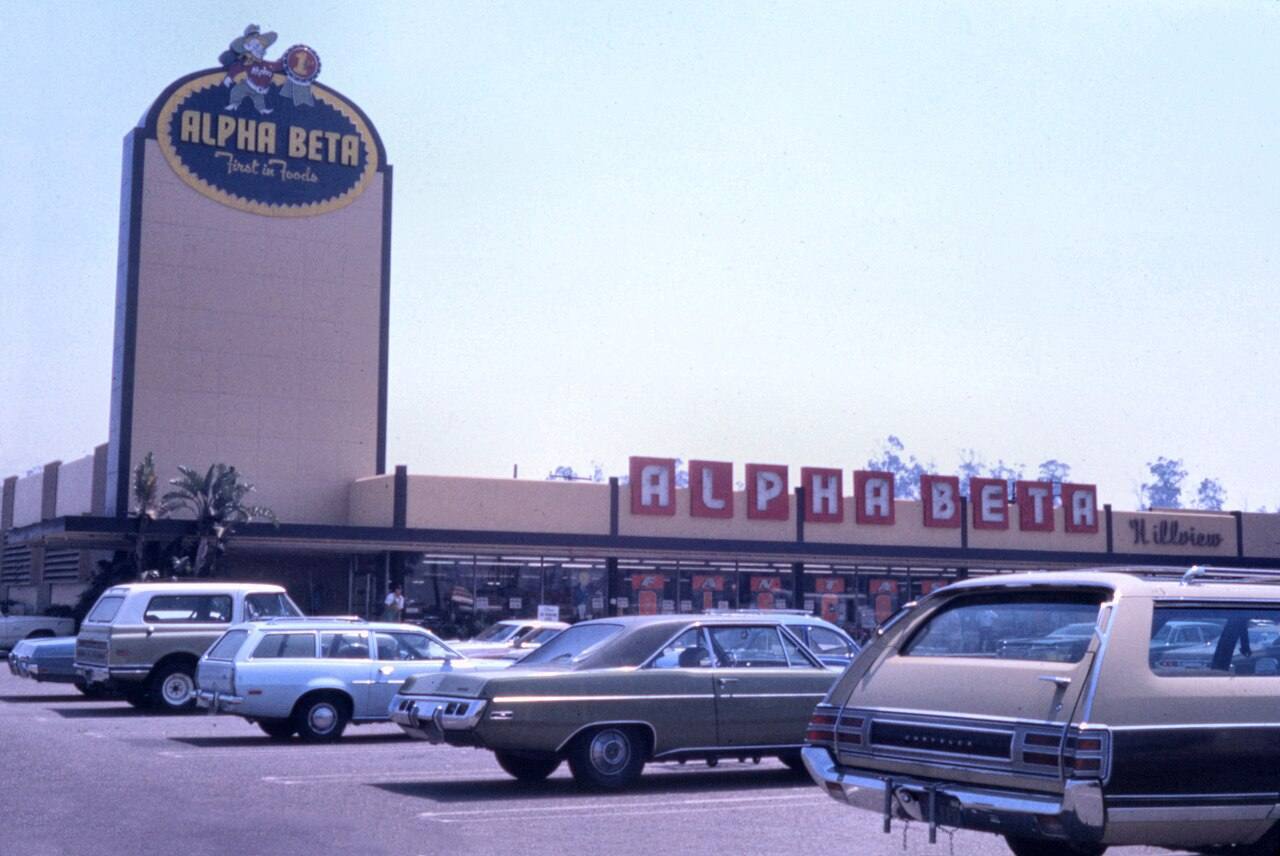
The State of Pensions Today
As the year draws to a close, the financial landscape is fraught with uncertainty. Recent reports indicate that a significant number of pension plans, especially those tied to private companies, are facing shortfalls. Many employees who have diligently paid into these plans are now at risk of receiving far less than anticipated when they retire. The promises made by corporations, once considered ironclad, now seem increasingly fragile, leaving workers questioning their financial futures.
This situation is not merely a personal crisis; it has broader implications for the economy as a whole. As the labor force ages and more individuals begin to retire, the strain on pension funds is predicted to intensify. Many economists are sounding alarms, urging both private and public sectors to address these looming deficits before they spiral into a national crisis.

The Reaction from Both Sides of the Aisle
In this climate of uncertainty, both the left and right are responding in ways that reflect their broader philosophies. On one side, progressive voices are calling for stronger regulations and protections for workers. They argue that pension funds must be prioritized, advocating for increased government oversight to ensure that these funds are adequately managed and funded. Their rhetoric often emphasizes the need for a safety net that protects employees from corporate negligence and market fluctuations.
Meanwhile, on the other side, conservatives are championing the idea of personal responsibility and free-market solutions. They argue that individuals should take their financial futures into their own hands, promoting private investment options over public intervention. However, this approach can be seen as dismissive of the very real challenges that many workers face in navigating complex financial products, especially those who lack substantial financial literacy.
"In a world where certainty is scarce, the allure of guaranteed income is stronger than ever."
The Certainty Conundrum
Amidst this turmoil, one thing is clear: certainty is selling briskly. In a society where job security is waning, and economic growth feels increasingly elusive, many are gravitating toward products that promise guaranteed returns. Insurance companies and financial institutions are capitalizing on this fear, pushing annuities and other fixed-income products as a way to provide a semblance of stability in a chaotic financial environment.
However, this obsession with certainty raises its own set of questions. Are Americans sacrificing potential growth for the sake of security? The irony is palpable as individuals prioritize short-term guarantees over long-term investments that could enhance their financial well-being. This trend could lead to a stagnation of wealth accumulation, particularly among younger generations who may be too risk-averse to venture into equity markets.
A Call for Balance
As we navigate these complex issues, it is imperative that both sides of the political spectrum find common ground. The challenge lies in balancing the need for regulation with the understanding that too much government intervention can stifle innovation and economic growth. A collaborative approach could yield solutions that protect workers' interests while also fostering an environment conducive to investment and entrepreneurship.
Moreover, education plays a crucial role in this equation. Financial literacy must be prioritized to ensure that all individuals, regardless of their political affiliations, can make informed decisions about their retirement planning. A well-informed populace is less likely to fall prey to fear-driven marketing tactics and more likely to engage in prudent financial behaviors.
Looking Ahead
As we approach the new year, the conversation surrounding pension shortfalls and financial security will undoubtedly continue to evolve. Both the left and right must recognize the necessity of working together to forge solutions that safeguard the financial futures of all Americans. The stakes are high, and the time for decisive action is now.
✦ ✦ ✦