From the file. Written for the paper dated October 1972. Opened in the public stacks July 14, 2026.
In the wake of recent satellite launches, the excitement that once filled the air has been replaced by a sobering reality: not all missions succeed. The recent failure of a high-profile satellite has raised questions about the oversight mechanisms in place, shedding light on the quiet failures that often lurk behind the headlines.

When Launches Go Wrong
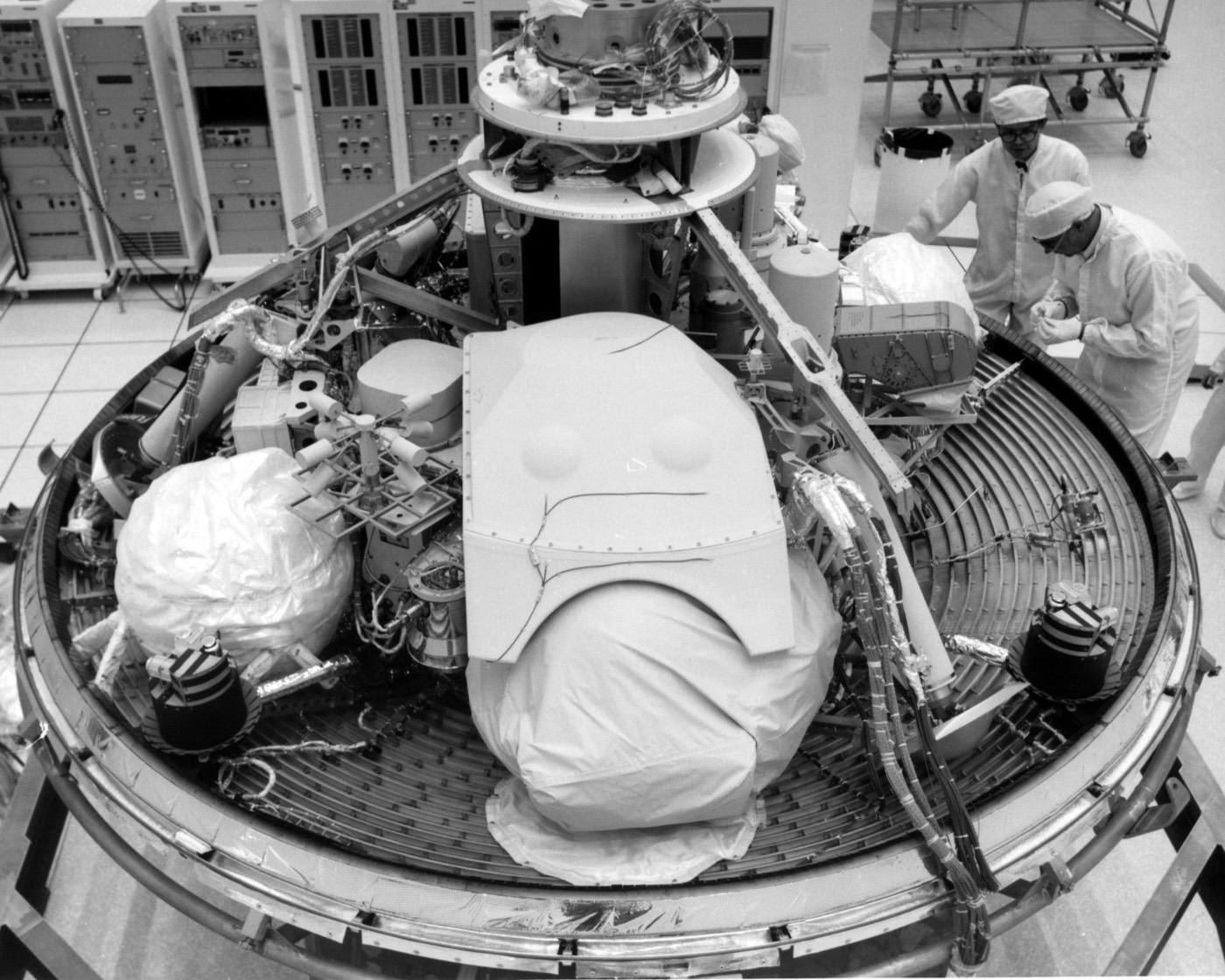
Just last month, the nation held its breath as we watched the countdown for the launch of the latest satellite designed to provide critical data for weather forecasting and military intelligence. Anticipation turned to disappointment when reports emerged that the satellite had failed to reach its intended orbit due to a malfunction in the launch vehicle. As time went on, the media quickly shifted focus to the next big story, leaving the technical failures behind in the dust. However, it is essential to dissect what went wrong and how we can prevent such failures in the future.
The satellite, intended to revolutionize our understanding of atmospheric conditions, was heralded as a triumph of engineering. But when it failed, the silence was deafening. Oversight mechanisms designed to ensure the integrity of our satellite programs seem to have faltered. The very organizations that promised accountability and transparency are now facing scrutiny for their lack of vigilance. This is not just a technical failure; it’s a systemic issue that warrants our attention.
Excesses of the Left and Right
As we navigate this complex issue, it is crucial to recognize the extremes on both sides of the political spectrum. The left has elevated the importance of government oversight to an almost religious fervor, insisting that all aspects of our technological advances be monitored by bureaucrats. While this is commendable in theory, it often leads to unmanageable red tape that stifles innovation and delays critical projects, as seen in some of the recent satellite endeavors.
On the other hand, the right’s push for privatization and deregulation has resulted in a rush to launch without adequate checks and balances. The belief that the free market can regulate itself has led to a culture where profit takes precedence over safety and accountability. This mindset has undoubtedly contributed to the lapses we are witnessing in satellite oversight. When profit margins become the driving force behind technological advancements, we are left vulnerable to failures that could have been avoided with proper oversight.
“In the race for the stars, we must not forget the ground rules.”
A Call for Accountability
As citizens, it is our duty to demand accountability from both our government and private sector leaders. We must advocate for a balanced approach where innovation is encouraged but not at the expense of safety. The recent satellite failure should serve as a wake-up call - an opportunity for both sides to come together and formulate a new strategy. We need to find common ground that promotes technological advancement while ensuring that oversight is not merely an afterthought.
Additionally, this incident should catalyze a broader discussion about the future of our space programs. As we look toward the stars, we must ensure that our feet remain firmly planted on the ground. We cannot afford to rush these monumental projects without proper safety measures in place. The stakes are too high, and the implications of failure extend beyond mere financial loss; they jeopardize national security and public trust in science and technology.
Lessons to Learn
In the wake of this satellite failure, we must reflect on the lessons learned. The stakes in our pursuit of technological advancements are immense, and the responsibility lies with all of us. The public, government, and private entities must engage in a dialogue focused on fostering an environment where innovation and oversight coexist harmoniously.
We cannot allow ourselves to be swept away by the excitement of new technology without a critical assessment of the systems that support it. The failures of our satellites are not just the failures of engineers or scientists; they are the failures of our collective oversight as a society. It is time to reassess our priorities and ensure that as we reach for the stars, we do so with a firm understanding of the ground beneath us.
✦ ✦ ✦