From the file. Written for the paper dated October 1972. Opened in the public stacks July 14, 2026.
As the cacophony of labor strikes fills the airwaves and newspaper pages, a troubling undercurrent of oversight failure remains largely unexamined.
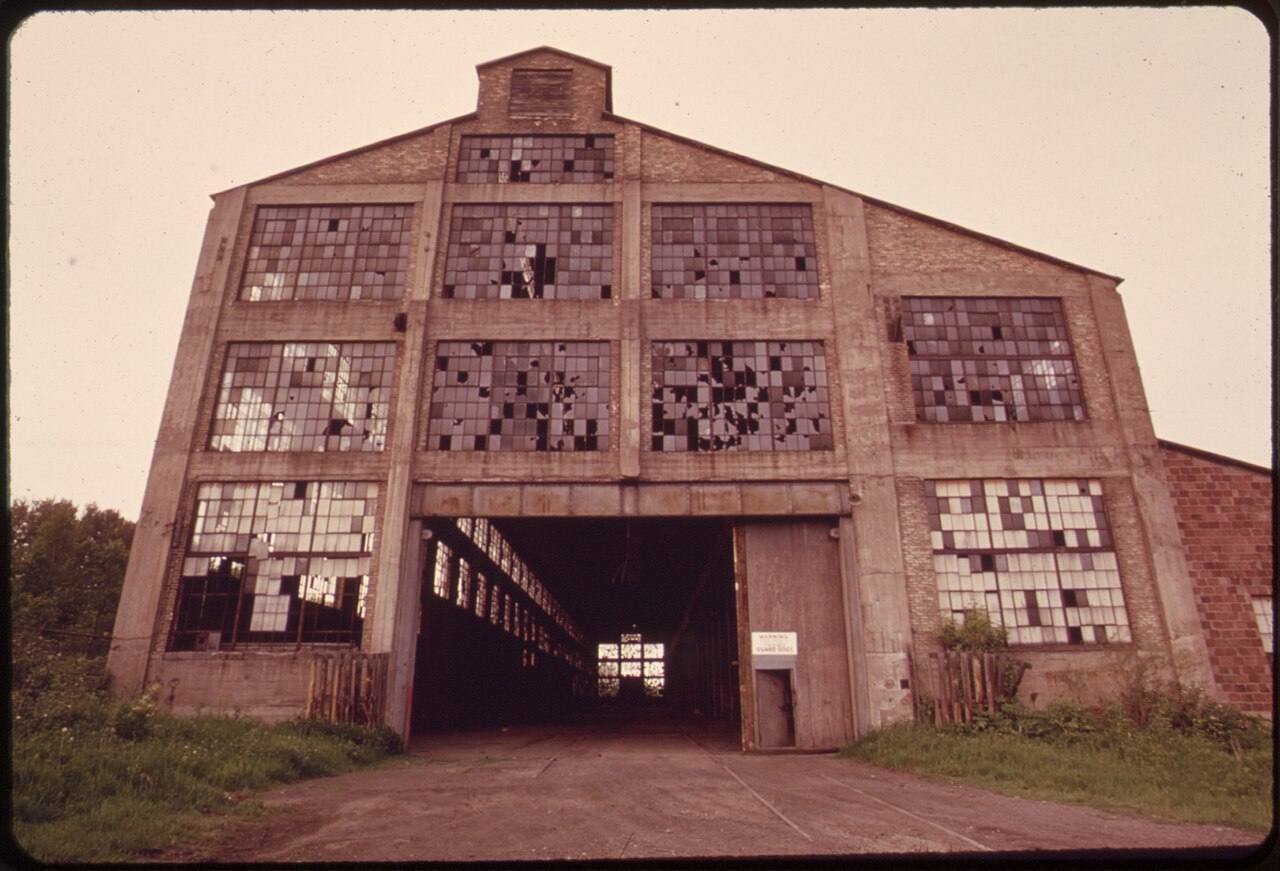
Labor Strikes: A Symptom of Broader Issues
The past few months have seen a spate of labor strikes across the nation, a phenomenon that seems to grow in magnitude with each passing day. While the headlines may focus on the immediate impacts - striking workers, picket lines, and negotiations - there lies beneath the surface a quiet failure of oversight that threatens to undermine the very fabric of our economic structure. As we dissect the motivations behind the strikes, we must also scrutinize the systemic issues that are contributing to this unrest.
Strikes often arise from legitimate grievances. Workers are demanding better wages, safer working conditions, and the recognition of their rights. However, one must consider whether these strikes are merely symptoms of a deeper malaise within our labor management practices and economic policies.
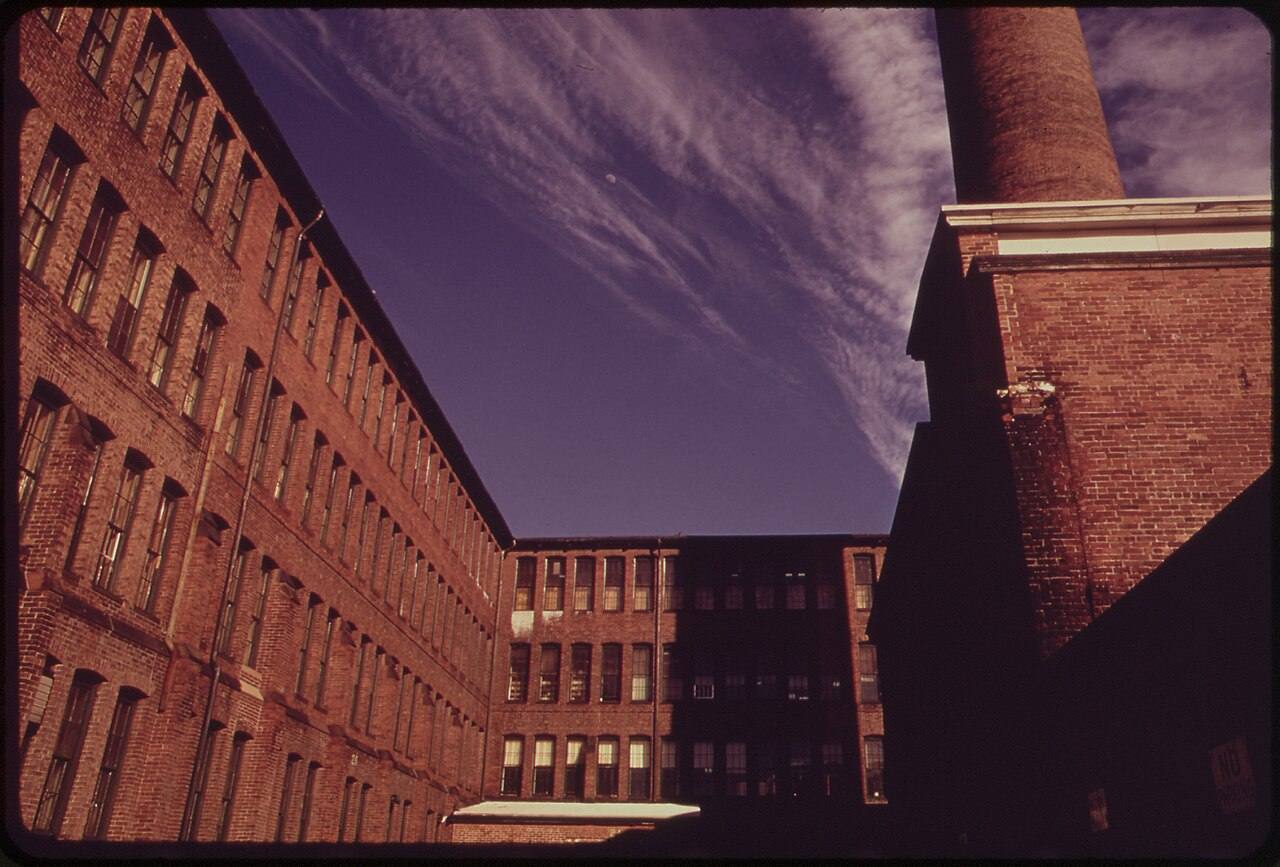
Political Exploitation of Labor Struggles
On one side of the spectrum, we witness the left's fervent advocacy for labor rights, often accompanied by a heavy-handed approach that can alienate potential allies. The call for radical changes in labor laws, the push for unionization in every corner of the economy, and the rejection of any compromise can lead to an environment of hostility rather than cooperation. While their intentions may be noble, the methods employed by some on the left have at times been counterproductive, fostering division rather than unity.
"The labor movement is not just a struggle for rights; it is a struggle for dignity." - A sentiment echoed in many union halls.
Conversely, the right's response has often been to dismiss the demands of workers as excessive or unreasonable. This attitude only serves to further entrench the divide between management and labor. The notion that workers should simply be grateful for their employment is a dangerous one, as it overlooks the importance of valuing human capital and recognizing the contributions of every employee to the success of a company.
Management's Role in Labor Relations
It is essential to acknowledge that management has a significant role in perpetuating the cycle of unrest. Many companies have adopted a short-sighted focus on profits, often at the expense of their workforce. While the pressure to maximize shareholder value is understandable in a capitalistic society, it must not come at the cost of employee welfare. The lack of genuine dialogue between labor and management has created a breeding ground for resentment and anger, as workers feel their voices are not being heard.
Furthermore, the current administration’s policies have not effectively addressed the underlying issues facing workers. While there are initiatives aimed at improving labor conditions, the implementation has been lackluster at best. The reliance on bureaucratic processes often stifles the very change that is needed. It is imperative that we demand accountability from our leaders to ensure that labor rights are not just an afterthought amidst political maneuvering.
The Costs of Inaction
As strikes continue to proliferate, the economic toll becomes increasingly evident. Disruptions in production, delivery delays, and a strained labor market can have far-reaching consequences. The longer the impasse continues, the more difficult it will be to restore harmony between labor and management. To break this cycle, both sides must be willing to engage in constructive dialogue and seek out common ground.
Moreover, it is crucial for both sides to recognize that the fight for labor rights is not a battle to be won, but rather a continuous struggle for dignity and respect in the workplace. It is time for a paradigm shift in how labor relations are approached. The excesses of both the left and the right have led us to a stalemate that benefits no one.
Finding a Middle Ground
The need for compromise is urgent. We must advocate for policies that support workers while also allowing businesses to thrive. This requires a commitment from all parties to engage in meaningful dialogue and to prioritize the welfare of workers without resorting to divisive tactics. A balanced approach will not only benefit employees but also ensure the long-term viability of the companies they serve.
In conclusion, as we navigate this tumultuous period of labor unrest, let us not lose sight of the broader implications of our actions. The path forward lies in collaboration, understanding, and respect for the rights of all individuals involved. Only then can we hope to build a more equitable and prosperous future.
✦ ✦ ✦