From the file. Written for the paper dated October 1972. Opened in the public stacks July 14, 2026.
In the wake of recent incidents that have drawn public attention, the issue of laboratory safety has emerged as a pressing concern. As headlines fade from the front pages, the question remains whether oversight in laboratories is sufficient to protect both workers and the community.
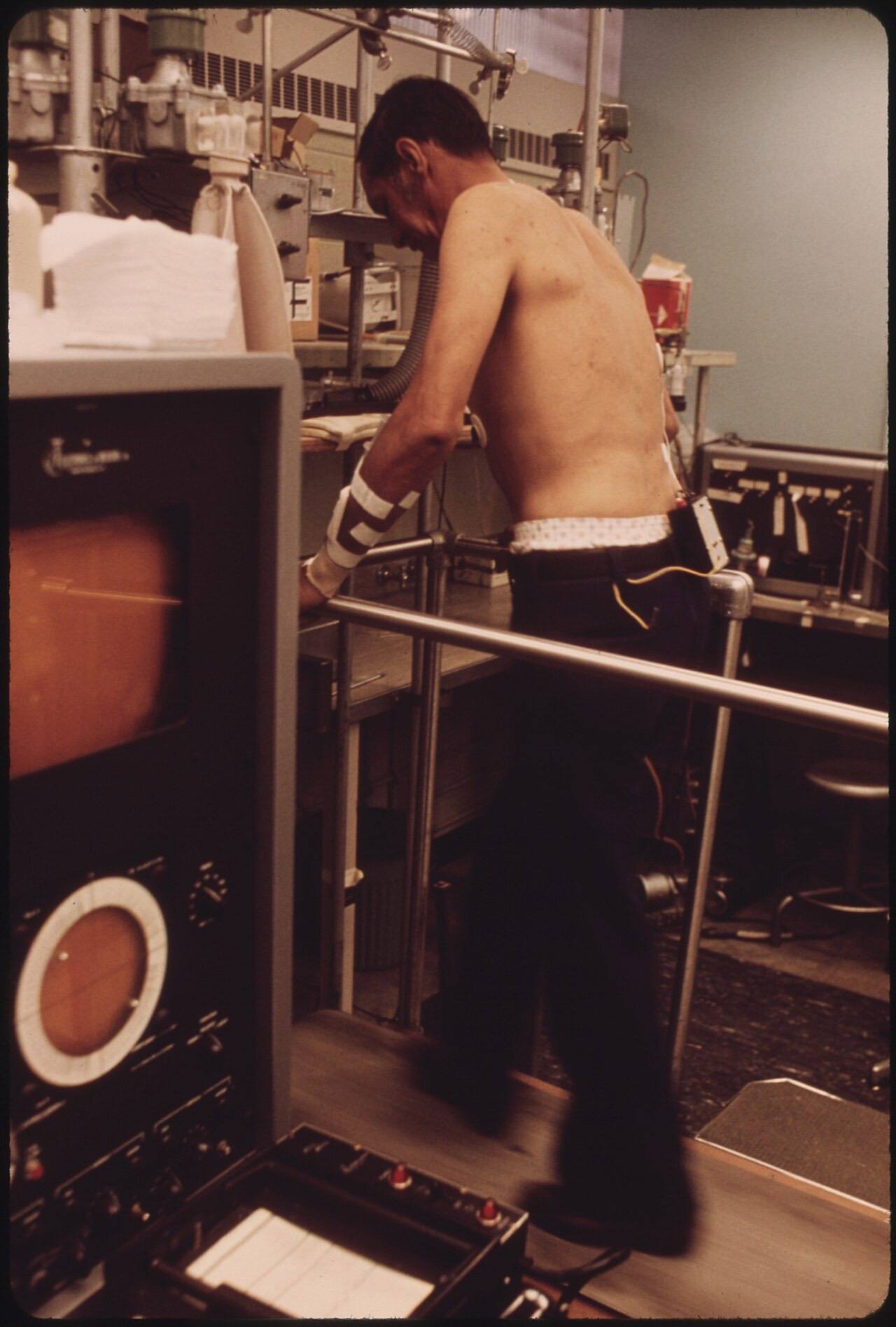
Laboratories are often seen as bastions of innovation and discovery, crucial to the fields of medicine, chemistry, and biology. Yet, they can also be places of significant risk. While the scientific community prides itself on its commitment to safety, the reality is that many facilities operate under outdated regulations and a lack of stringent oversight. The recent spate of accidents has illuminated gaps in safety protocols that cannot be ignored.
The Cost of Complacency
It is troubling to consider how the excitement of scientific progress can sometimes overshadow the necessity for careful safety measures. In laboratories across the country, many researchers are so focused on their projects that they may overlook essential safety practices. The drive to publish and secure funding often trumps the need for a meticulous approach to safety, leading to a culture of complacency.

In recent months, incidents involving chemical spills and improper handling of hazardous materials have raised alarm bells. While some may attribute these events to human error, it is imperative to recognize that the environment and systems in which these scientists operate are equally to blame. The current regulatory framework fails to adequately address the complexities of modern research, resulting in a lack of accountability for safety lapses.
"The excitement of scientific progress can sometimes overshadow the necessity for careful safety measures."
Regulatory Gaps and Responsibilities
Federal regulations concerning laboratory safety have been established to protect workers and the public; however, they often fall short of addressing the myriad risks present in contemporary research environments. For instance, the Occupational Safety and Health Administration (OSHA) has guidelines in place, but enforcement is sporadic at best. Many laboratories are left to self-regulate, which can lead to a dangerous lack of oversight.
Furthermore, institutions may prioritize grant acquisition and research output over safety training and adherence to best practices. This creates a troubling dynamic where the pressure to produce can inadvertently compromise the safety of those working within the lab. It is not merely a matter of individual responsibility; institutions must cultivate a culture that values safety as much as scientific achievement.
A Call for Reform
As we reflect on these pressing issues, it is clear that a comprehensive reevaluation of laboratory safety standards is necessary. This should include a review of existing regulations and the establishment of stricter enforcement mechanisms. Institutions must take proactive measures to ensure that safety training is not just a checkbox on a form but a fundamental aspect of the laboratory experience.
Additionally, fostering open communication about safety concerns can empower researchers to voice their worries without fear of retribution. This requires leadership that prioritizes a culture of safety, where every member of the team feels responsible for not only their own safety but the safety of their colleagues as well.
The Dangers of Extreme Views
In the current political climate, it is essential to recognize the dangers posed by both extremes of the ideological spectrum. On one hand, there are those who advocate for deregulation, arguing that excessive oversight stifles innovation. On the other hand, there are voices calling for blanket regulations that could hinder scientific progress altogether. Both views are flawed.
What is needed is a balanced approach that recognizes the importance of innovation while also ensuring that safety is not sacrificed in the pursuit of progress. The scientific community must engage in meaningful dialogue about how to achieve this balance. It is not an either-or proposition; rather, it is possible to foster an environment where safety and innovation coexist harmoniously.
Conclusion: Safety as an Integral Part of Science
As we move forward, it is crucial that we do not allow the momentum of scientific achievement to overshadow the importance of safety. The responsibility lies not only with individual researchers but also with institutions and regulatory bodies to create an environment where safety is paramount. As the headlines fade, let us not forget the lessons learned from recent incidents. It is time to prioritize lab safety and ensure that it remains a fundamental part of the scientific endeavor.
✦ ✦ ✦