From the file. Written for the paper dated September 1972. Opened in the public stacks July 14, 2026.
As we navigate the tumultuous waters of contemporary politics, it becomes increasingly evident that line item politics have taken center stage, revealing both the excesses of the left and the right. This week serves as a microcosm of our broader political landscape, where every vote is scrutinized, and every decision is dissected.

Fractured Ideologies
In the past week, we have witnessed a stark divide in our political discourse, with both major parties indulging in tactics that often veer towards the extreme. On one end, we see the left pushing for expansive social programs that some argue create dependency rather than empowerment. The recent calls for increased funding for various welfare initiatives have been met with fervent opposition, with critics citing the potential for fiscal irresponsibility. While the intention behind such proposals may be noble, the execution risks straying into a realm of unchecked governmental expansion.
Conversely, the right has taken to the airwaves and the halls of Congress with a fervor that borders on zealotry. Their steadfast commitment to slashing governmental spending often comes at the cost of vital services that many citizens rely upon. The fervent cries for budget cuts resonate with their base, but the implications of such austerity measures can be dire for those who are already struggling. It raises the question: at what point does fiscal responsibility become an abandonment of the social contract?
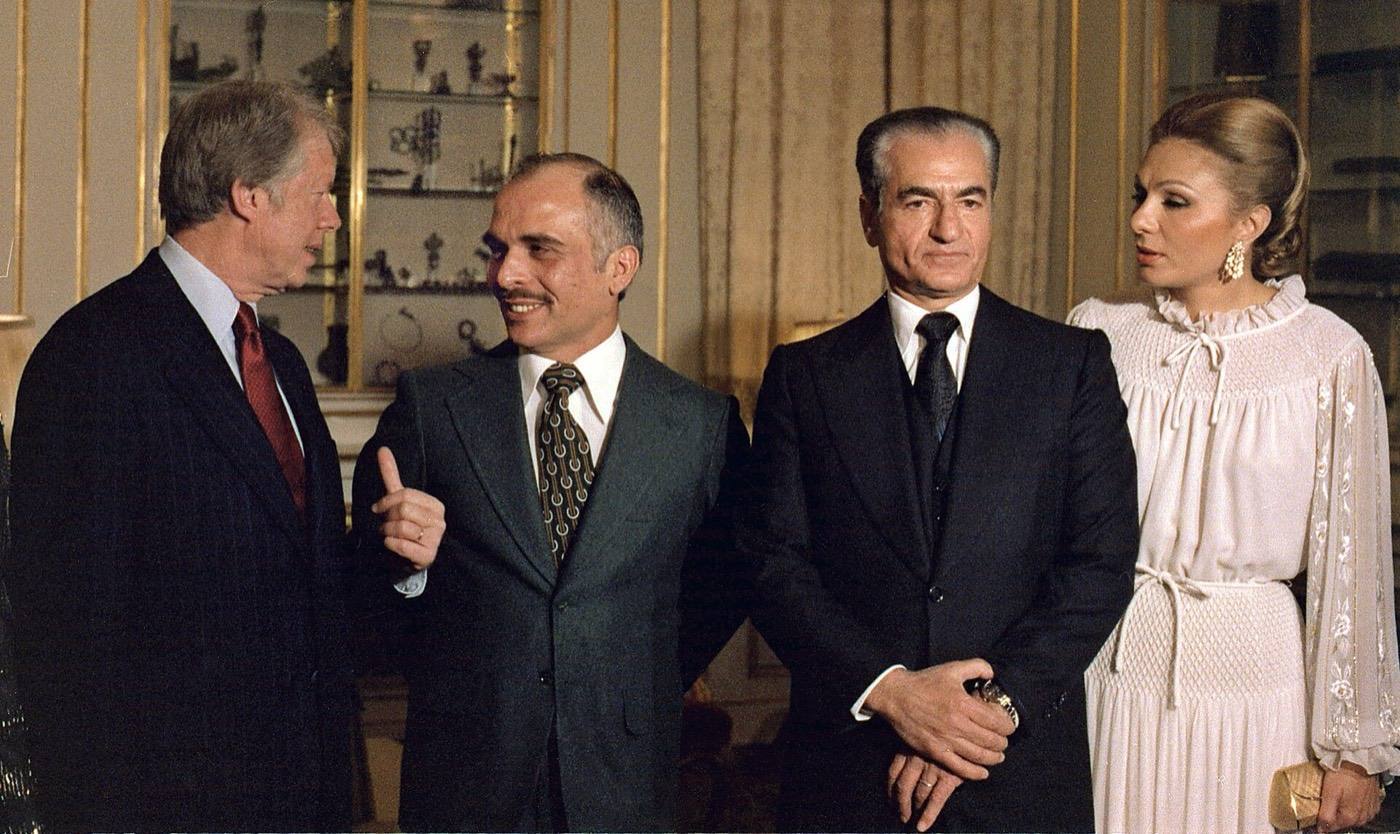
"In the battle of line item politics, the stakes are high and the consequences dire."
The Political Theatre of Line Items
The theatricality of line item politics is perhaps one of the most striking aspects of our current political climate. Each party is adept at using the specifics of budget allocations and appropriations to rally their supporters. The left champions the expansion of health care access, while the right promotes tax cuts as the pathway to prosperity. However, both sides often fail to connect with the average citizen who is left to navigate the complexities of these policies.
This week, a heated debate over education funding highlighted the absurdity of this political theatre. As senators took to the floor to denounce each other's plans, it became clear that the focus was less on the merits of the proposals and more on the optics of their political positioning. Are we witnessing a genuine concern for the future of our children, or merely a performance designed to appease party loyalists?
Voices from the Ground
Despite the grandstanding of politicians, the American public is not simply a passive audience. Many citizens are beginning to voice their frustrations with the excesses of both sides. Town hall meetings have become microcosms of the national conversation, where constituents express their grievances about the lack of substantive solutions. The disconnect between the political elite and everyday Americans is palpable, and yet, it seems to be a reality that both parties are hesitant to address.
In recent discussions, constituents have made it clear that they desire pragmatism over ideology. A middle ground approach that prioritizes the needs of the people rather than rigid adherence to party lines is becoming increasingly sought after. However, achieving this balance is no easy task in a political environment characterized by polarization.
Finding Common Ground
As we reflect on this week's events, it is crucial to consider what it means to govern effectively in these contentious times. The challenge lies in finding common ground while addressing the valid concerns presented by both the left and the right. We must ask ourselves if we are willing to entertain compromise without sacrificing our core values.
In the quest for solutions, we must also acknowledge the necessity of accountability. Politicians must be held responsible for their promises and the impacts of their policies on everyday lives. This week has shown that line item politics can serve as a double-edged sword; they can illuminate the needs of the populace, but also obscure the larger picture of governance.
✦ ✦ ✦