From the file. Written for the paper dated August 1972. Opened in the public stacks July 14, 2026.
As the fervor surrounding vaccine policy continues to dominate the headlines, it is time to delve deeper into the less discussed, yet equally critical aspects of this contentious issue.
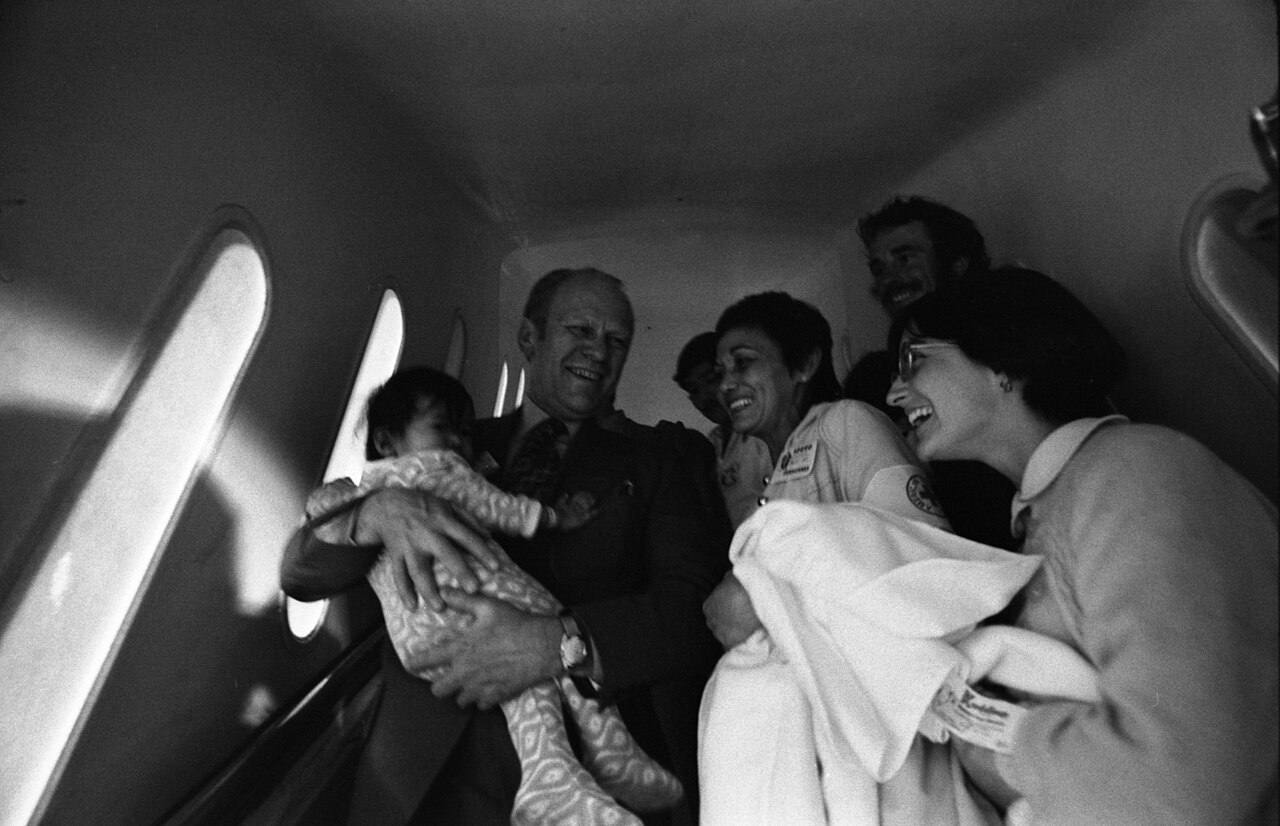
Understanding the Nuances of Vaccine Policy
The debate over vaccine policy has stirred emotions across the political spectrum. On one side, proponents advocate for widespread vaccination as a means to combat infectious diseases and protect public health. On the other, skeptics question the efficacy and safety of vaccines, often citing government overreach and personal liberty. Yet, amidst this clamor, there exists a procedure that few wish to address: the ethical considerations surrounding vaccine distribution and access.
As public health officials push for universal vaccination, they often overlook the implications of unequal access to vaccines. In urban centers, where populations are dense and disease transmission rates are high, the urgency for vaccination becomes paramount. However, rural areas may lag behind in both availability and awareness. This disparity raises critical questions about fairness in public health policy and the responsibilities of our government to ensure that all citizens are treated equitably.

The Role of Government and Individual Rights
While the government has a responsibility to protect public health, we must also consider the rights of individuals. The left often champions the need for comprehensive vaccination programs, arguing that collective immunity is essential for the greater good. Yet, this perspective can sometimes veer into paternalism, suggesting that individual autonomy should be sacrificed for the sake of societal health.
Conversely, the right's staunch defense of personal liberty can lead to an outright rejection of vaccine initiatives. This reactionary stance often dismisses scientific evidence and public health recommendations, framing vaccination as an infringement on personal rights. Such extremes on both sides of the debate can hinder constructive dialogue and compromise, leaving citizens confused and polarized.
"Amid the clamor for vaccines, the ethical considerations of access and equity are often drowned out."
Public Trust and the Role of Communication
Public trust in health authorities is paramount for the success of any vaccination program. The recent controversies surrounding vaccine testing and approval processes have only served to deepen skepticism among the public. Misinformation spreads like wildfire, fueled by fears of government incompetence and the pharmaceutical industry’s profit motives. We must ask ourselves: how can we rebuild trust in a system that appears to be failing its citizens?
The media plays a crucial role in shaping public perception. Sensationalized headlines often overshadow the nuanced realities of vaccine policy. The portrayal of anti-vaccine sentiments as fringe beliefs can alienate those who harbor legitimate concerns. Instead of fostering dialogue, such narratives contribute to an environment of hostility and division.
Moving Towards a Balanced Approach
To navigate this complex landscape, we must advocate for a balanced approach to vaccine policy. This involves acknowledging the validity of concerns from both sides and striving to find common ground. Public health campaigns should prioritize transparent communication, addressing misconceptions head-on while emphasizing the importance of vaccinations in preventing outbreaks.
Moreover, equitable access to vaccines must be a core tenet of any public health strategy. Initiatives should be tailored to reach underserved communities, ensuring that no one is left behind in the fight against infectious diseases. This commitment to equity not only strengthens public health but also fosters a sense of community and shared responsibility.
Conclusion: The Road Ahead
As we move forward, it is crucial to recognize that vaccine policy is not merely a matter of public health; it is a reflection of our values as a society. We must confront the uncomfortable truths about access, equity, and trust, engaging in a dialogue that transcends partisan divides. Only then can we hope to build a vaccination framework that protects both public health and individual rights.
✦ ✦ ✦