From the file. Written for the paper dated August 1972. Opened in the public stacks July 14, 2026.
In the wake of the growing discourse surrounding public health, the spotlight has begun to shine on a procedure that few are willing to openly discuss: the termination of pregnancies. As public clinics scramble to meet the needs of their communities, the realities of access and funding highlight a system caught in the crossfire of ideological battles.

Public Clinics: The Frontline of Healthcare Access
Public clinics have emerged as essential lifelines for many individuals seeking healthcare services, particularly in urban areas where private options may be limited or prohibitively expensive. These clinics, often underfunded and understaffed, provide a wide array of services from routine check-ups to more complex procedures. Yet, in a climate fraught with political tension, the availability of certain services - especially those related to reproductive health - remains a contentious issue.
As discussions around women's rights and healthcare become more pronounced, the challenge lies in ensuring that these clinics can offer comprehensive services without succumbing to the pressures of political ideologies. The fact that many women may find themselves forced to travel long distances or navigate bureaucratic red tape to access abortion services is a glaring oversight in a country that prides itself on healthcare for all.
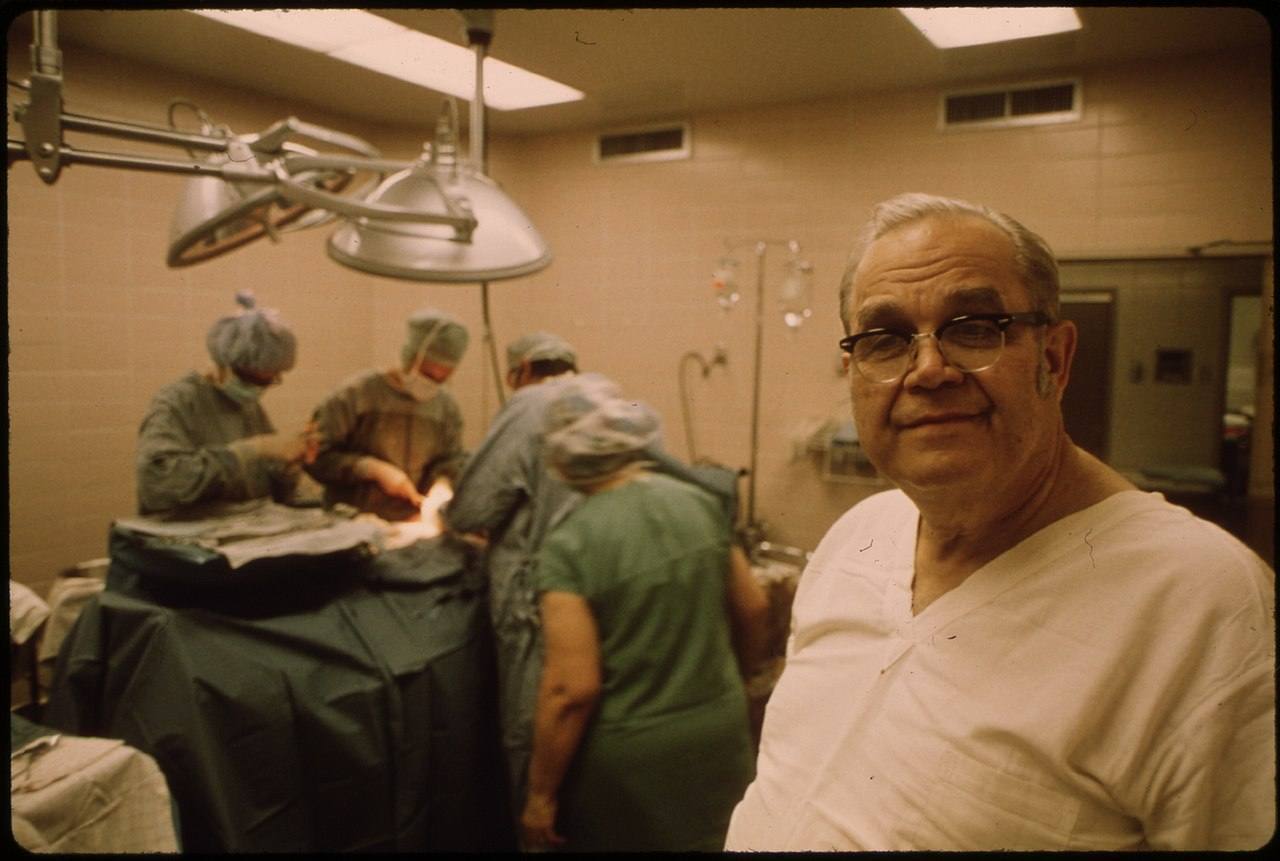
It is a disservice to the community when public clinics are unable to provide essential services due to political pushback.
The Politics of Healthcare
On one end of the spectrum, conservative factions rally against what they deem as a moral crisis, arguing that public funds should not support procedures they find objectionable. This stance often leads to stringent regulations and restrictions on clinics, making it difficult for them to operate effectively. The rhetoric surrounding the right to life often overshadows the rights of women seeking healthcare, leaving them to navigate a landscape that feels increasingly hostile.
Conversely, the left champions the cause of reproductive rights, advocating for unfettered access to all healthcare services, including abortions. While the intention to defend women's rights is commendable, the approach can sometimes veer into an overzealousness that alienates moderate voices. The aggressive push for unrestricted access may inadvertently stigmatize those who hold differing views, creating an environment of division rather than understanding.
A Balancing Act
The challenge lies in finding a balanced approach that respects individual rights while ensuring that healthcare services remain accessible to all. Public clinics should not be forced into a defensive posture, constantly battling against external ideological pressures. Instead, they should be empowered to provide comprehensive care that addresses the needs of their communities without fear of political backlash.
Furthermore, the lack of open dialogue surrounding reproductive health is alarming. It is essential for both sides of the political spectrum to engage in constructive conversations that prioritize the health and well-being of individuals. Shying away from discussing abortion only serves to perpetuate stigma and misinformation. Clinics should feel secure in their ability to provide all services without fear of retribution or judgment.
Open dialogue is crucial; avoiding the subject only serves to perpetuate stigma.
Funding Challenges
Another significant hurdle for public clinics is the persistent issue of funding. As federal and state budgets fluctuate, clinics often find themselves scrambling to secure the necessary resources to operate effectively. The ongoing debate over healthcare funding means that many clinics operate with limited staff and outdated equipment, which hampers their ability to provide quality care.
When a procedure as sensitive as abortion is involved, the funding issue becomes even more pronounced. Clinics may feel pressured to limit their services or cut corners to stay afloat, which can ultimately compromise patient care. The result is a healthcare system that is not only fragmented but also inequitable, leaving many women without the care they need.
Moving Forward
As we navigate this contentious landscape, it is vital for communities to advocate for public clinics and support their ability to offer comprehensive healthcare services. This includes pushing for policies that protect funding and promote accessibility without the constraints of ideological battles. Both sides must recognize that the ultimate goal should be the health and well-being of individuals, rather than a political victory.
In conclusion, public clinics stand at a critical crossroads, and the need for dialogue and cooperation from all sides has never been more pressing. By placing the focus on healthcare rather than politics, we can foster a system that truly serves the needs of our communities, ensuring that essential services - including those that remain taboo - are available to all who seek them.
✦ ✦ ✦