From the file. Written for the paper dated August 1972. Opened in the public stacks July 14, 2026.
As the fervor of the primary season sweeps across the United States, there remains an unsettling truth lurking beneath the surface: the primary calendar is a procedure that few are eager to discuss.

The Intricacies of the Primary Calendar
The primary elections, a crucial mechanism of our democratic process, are often overshadowed by the louder, flashier aspects of political campaigns. Candidates engage in grand speeches, rallies, and fiery debates, capturing the public's attention. Yet, the structure that guides these candidates towards the nomination - the primary calendar - receives little scrutiny. This is problematic, as the calendar shapes the very nature of our electoral process.
In 1972, the primary calendar is a patchwork quilt of varying dates and rules across the states. From the early front-runners in New Hampshire to the later contests in California, each state has its own timeline and regulations, creating a confusing landscape for voters and candidates alike. While some may argue that this diversity promotes local engagement, it can also lead to an uneven playing field where the candidates with the most resources dominate early primaries, leaving little room for others to gain traction.
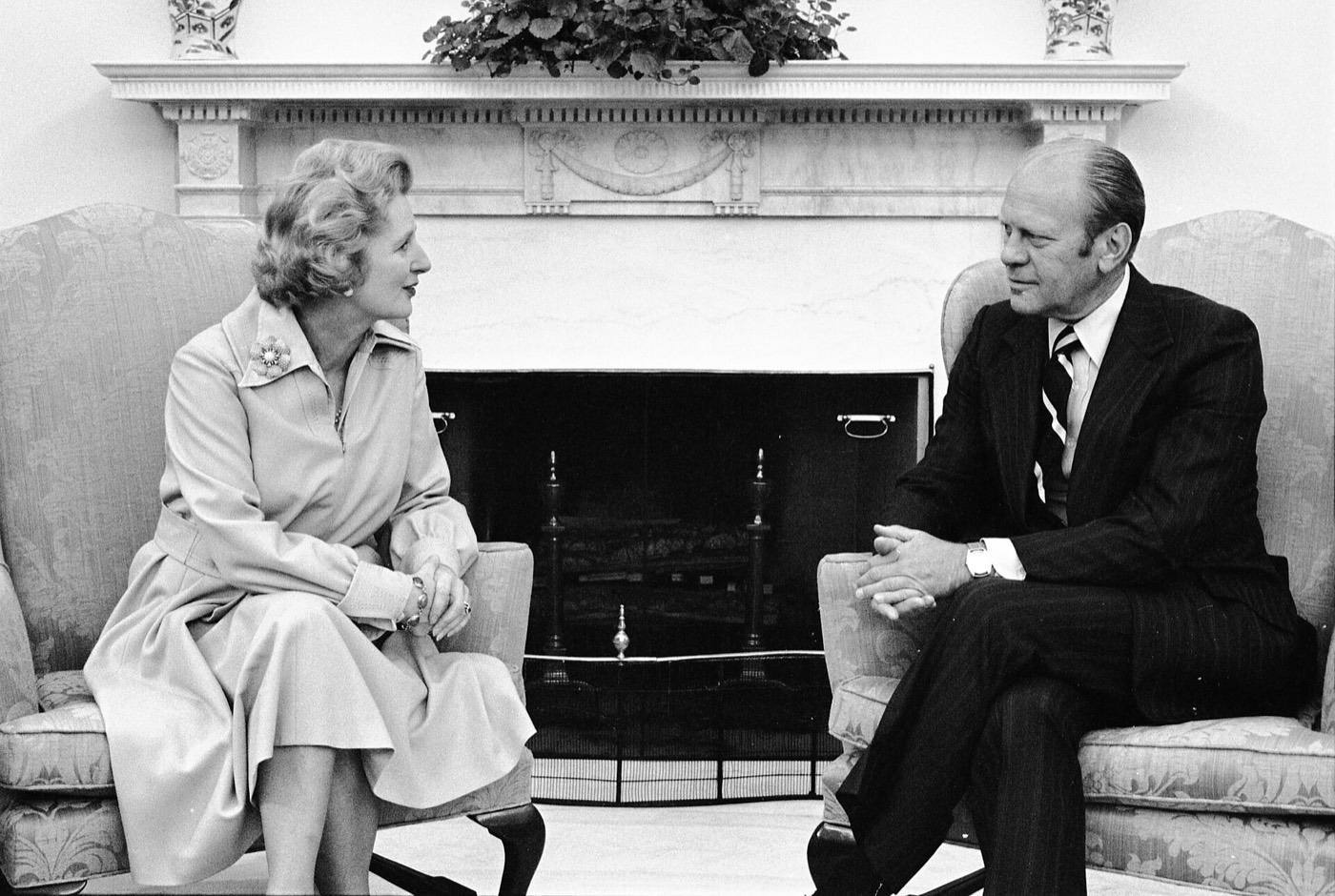
"The primary calendar is a procedure that few are eager to discuss."
Consider the impact of early victories. Candidates who perform well in initial primaries often gain momentum, boosting their visibility and fundraising capabilities. This phenomenon can lead to a self-perpetuating cycle, where those who succeed early are propelled forward, while others who may represent a broader spectrum of the electorate struggle to catch up. It raises the question: are we truly selecting the best candidate, or simply the one who can best navigate the maze of the primary calendar?
Excesses on Both Sides
As we dissect the intricacies of the primary calendar, it is essential to recognize the excesses that characterize both sides of the political spectrum. On the left, some progressive candidates, fueled by a fervent belief in social change, are often quick to dismiss the importance of the primary process itself. Their focus on grassroots movements and revolutionary ideas can overshadow the practicalities of securing nominations. While their passion is commendable, it risks alienating those who are pragmatic about the electoral process.
Meanwhile, on the right, we witness a different kind of excess. The establishment candidates often cling to the status quo, relying on traditional fundraising channels and established networks. This can result in a disconnect with the more radical elements of their base, as those who feel unheard may turn to fringe candidates who promise to challenge the establishment at all costs. The challenge becomes how to unify a party that is increasingly divided between moderates and extremists.
Despite these challenges, there remains a path forward. As the political landscape continues to evolve, it is vital for both parties to engage in a candid discussion about the primary calendar. Reforming the process could bring greater fairness and inclusivity, allowing a wider range of voices to be heard. This does not mean discarding the current system entirely, but rather acknowledging its flaws and working towards a more equitable solution.
The Road Ahead
As we approach the upcoming primaries, the importance of the calendar cannot be overstated. Candidates must strategize not only around their messaging but also around the practical realities of when and where they will compete. Voters, too, must be educated about the process, ensuring that they are not merely passive participants in a system that can seem convoluted and restrictive.
In this climate, it is imperative that we engage in discussions about how to make the primary calendar more transparent and accessible. By reforming the rules that govern these critical elections, we can foster a political environment where voters feel empowered to make informed choices, and candidates are able to present their ideas without being hindered by a disjointed calendar.
✦ ✦ ✦