From the file. Written for the paper dated July 1972. Opened in the public stacks July 14, 2026.
In the ever-advancing realm of space exploration, satellite failures are not just incidents; they are a reflection of the complexities inherent in modern technology. As we continue to launch and rely on these technological marvels, understanding the mechanisms that lead to such failures can illuminate our path forward.

The Anatomy of a Satellite Failure
Recent reports have surfaced regarding the failure of several satellites, leaving scientists and engineers scrambling for answers. While the public may be drawn to the sensational aspects of these failures, the truth often lies buried in the minutiae of engineering and design. Each satellite is a culmination of years of research, development, and testing, but even the most robust systems are susceptible to unforeseen challenges.
At the core of most satellite failures is a combination of environmental factors and mechanical failure. The harsh conditions of space - radiation, extreme temperatures, and micrometeoroid impacts - create a hostile environment that can wreak havoc on delicate instruments. However, the mechanisms that lead to failure often stem from issues that are not readily apparent.
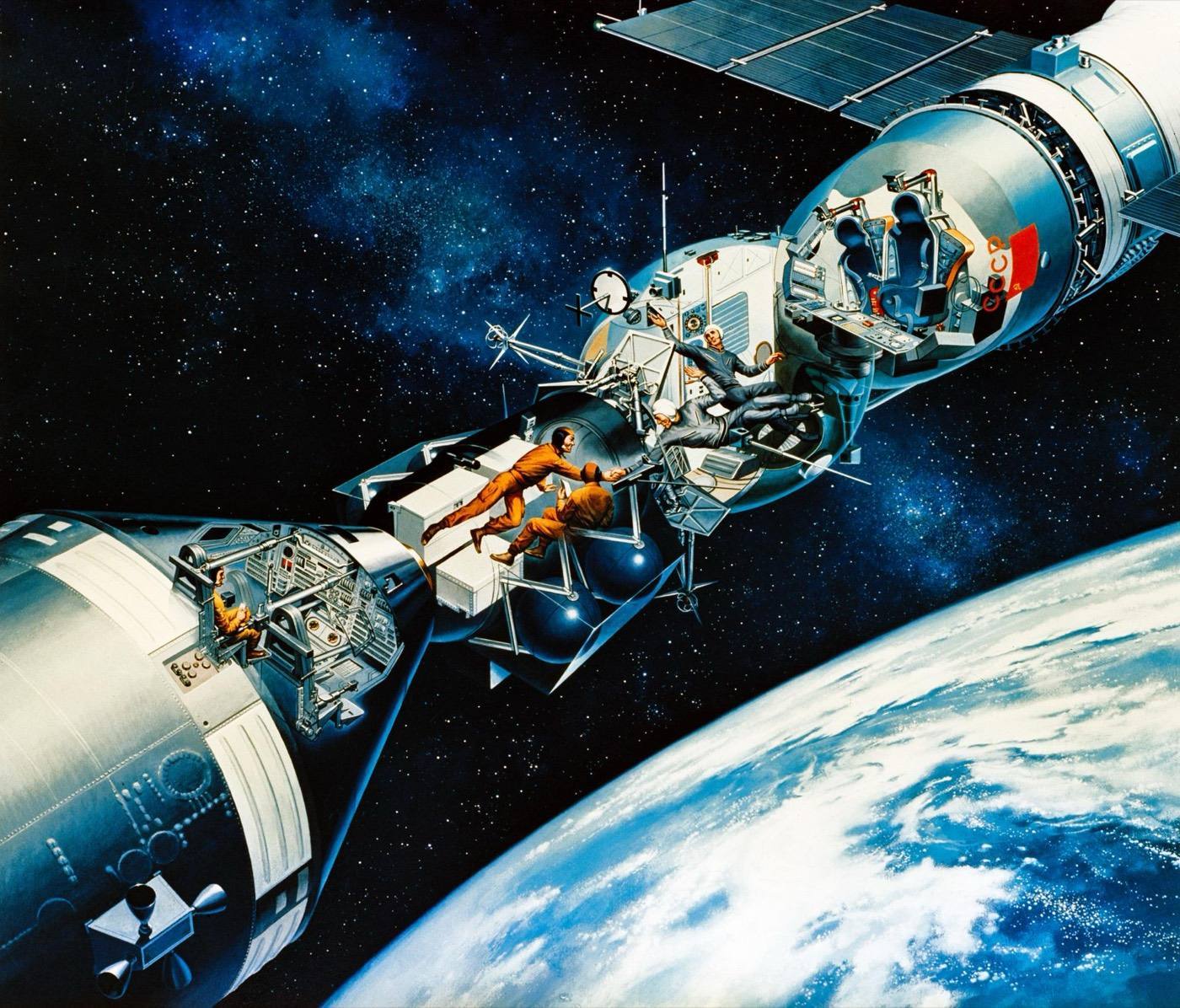
"Understanding the mechanisms behind satellite failures is crucial for future advancements in space technology."
One of the more common culprits is the failure of onboard systems to communicate effectively. A satellite's success hinges on the integration of various subsystems, including power supplies, telemetry, and propulsion. If one of these systems falters, the entire mission can be jeopardized. Engineers often describe this as a domino effect, where one failure leads to another, ultimately resulting in mission failure.
Human Error and Oversight
While technological components are central to the conversation, it is essential to acknowledge the role of human error in satellite failures. Engineers and scientists work tirelessly to design and implement systems, but mistakes can occur during the assembly, launch, or operation phases. Miscalculations can lead to misalignment of satellite trajectories, incorrect deployment of solar panels, or even failure to establish communication with ground stations.
Moreover, the pressure to innovate quickly can sometimes lead to corners being cut. As the space race heats up, some organizations may prioritize speed over thorough testing and validation. This frantic pace can produce remarkable achievements but also opens the door to potentially catastrophic failures.
A Call for Accountability
The stakes are high, and the implications of satellite failures extend beyond just the loss of technology. Millions of dollars are invested in these missions, and they often serve critical functions, from weather forecasting to telecommunications. When a satellite fails, it not only represents a financial loss but also a setback in our collective knowledge and capabilities.
Both the scientific community and the public must demand accountability from organizations responsible for the design and launch of these satellites. Transparency in reporting failures and sharing the lessons learned can help foster a culture of improvement. The more we understand the reasons behind these failures, the more resilient our future missions will become.
The Way Forward
As we look to the future of space exploration, it is crucial that we take a measured approach to satellite design and deployment. Investing in research to better understand the challenges of operating in space will pay dividends in the long run. This includes the development of more resilient materials, improved communication systems, and enhanced testing protocols.
Furthermore, collaboration among nations and organizations can lead to shared knowledge and resources, ultimately improving the reliability of satellite systems. Initiatives aimed at pooling expertise and data can help mitigate risks associated with satellite launches, allowing us to navigate the complexities of space technology more effectively.
Conclusion
The excitement surrounding satellite technology should not overshadow the realities of its vulnerabilities. Understanding the underlying mechanisms behind satellite failures is essential for paving the way for future successes. As we continue to explore the cosmos, let us remain vigilant in our pursuit of knowledge and improvement, ensuring that each failure becomes a stepping stone toward greater achievements.
✦ ✦ ✦