From the file. Written for the paper dated July 1972. Opened in the public stacks July 14, 2026.
In an era marked by political upheaval and cultural revolution, the mechanisms behind epidemic response reveal an often overlooked, yet crucial, layer of public health that transcends the sensationalist headlines.
The Machinery of Response
As we navigate through the tumultuous landscape of 1972, the recent outbreaks of influenza and other communicable diseases have thrown the spotlight on our public health systems. The public’s attention is frequently captured by the dramatic headlines and the emotional narratives crafted by the media, but the true story often lies within the boring, bureaucratic mechanisms that are essential for effective epidemic response.
At the heart of epidemic management is a complex web of organizations, regulations, and protocols that operate almost invisibly. Many citizens might be surprised to learn that the Centers for Disease Control (CDC), local health departments, and hospital systems form a coordinated effort designed to track, contain, and mitigate outbreaks. Yet, it seems this machinery often gets overshadowed by the loud voices in both the public health community and the media.

Left vs. Right: The Battleground
In recent months, we have seen a pronounced divergence in how the left and right of the political spectrum approach public health issues. The left often emphasizes government intervention and comprehensive public health measures, advocating for robust funding and resources to combat health crises. They argue that only through significant investment can we ensure a safe and healthy populace.
However, this perspective can be criticized for its tendency to overlook the complexities of bureaucracy and the potential for inefficiencies. The push for expansive government-led initiatives sometimes leads to red tape and mismanagement, as seen in previous health campaigns that have floundered under their own weight.
Conversely, the right often champions individual responsibility and the free market as solutions to public health challenges. This ideology promotes the idea that personal choice and entrepreneurial spirit can resolve health crises without heavy-handed government involvement. While there is merit to the notion of personal accountability, this perspective can fall short in times of epidemic, where collective action is paramount.
"The true story often lies within the boring, bureaucratic mechanisms that are essential for effective epidemic response."
The Silent Heroes
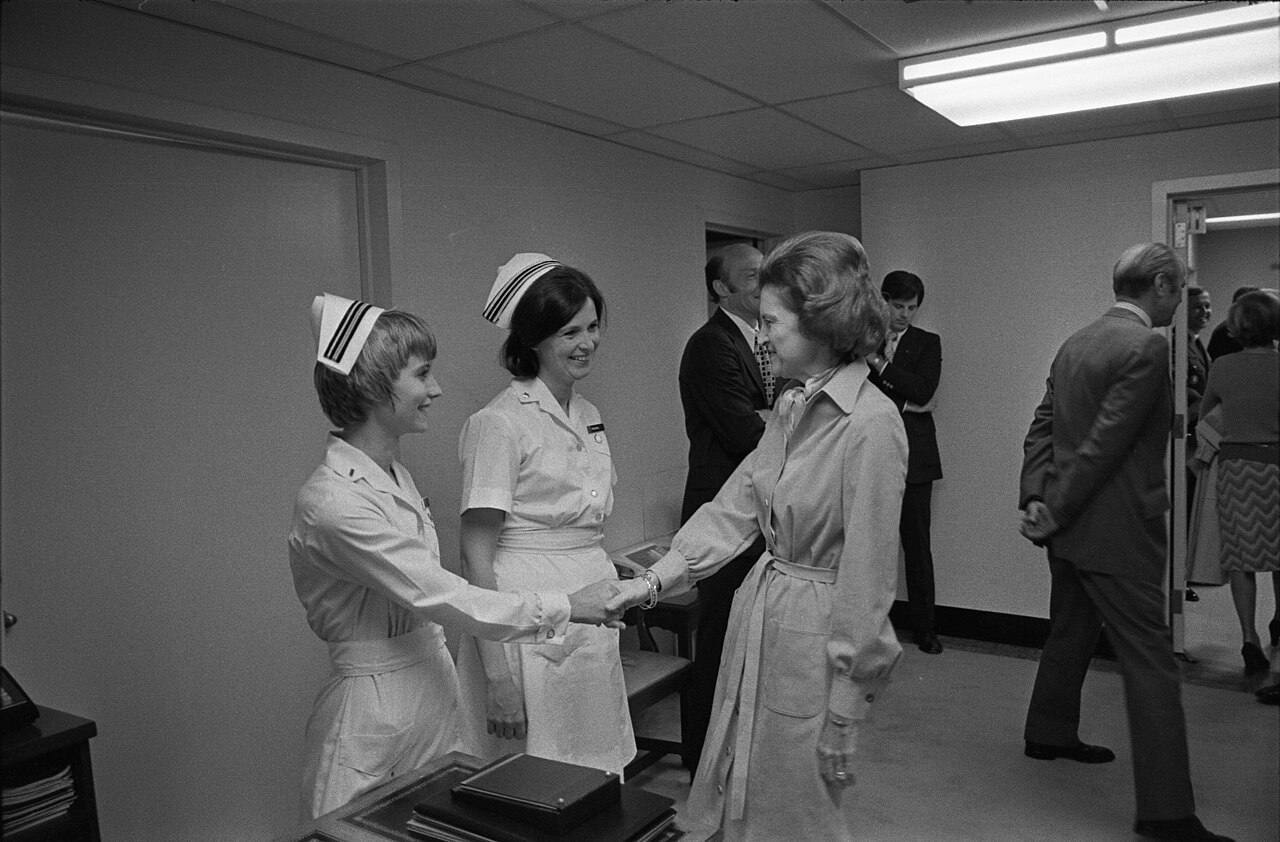
Amidst the political theater, it is the public health workers - epidemiologists, nurses, and community health officials - who are on the front lines of epidemic response. They work tirelessly to collect data, conduct investigations, and implement control measures. Their efforts, while crucial, often go unnoticed and unappreciated.
Consider the epidemiologist who meticulously tracks disease patterns, identifying hotspots and potential outbreaks. Their findings may not make the evening news, yet they are instrumental in guiding public policy and health recommendations. The work they do is often tedious, involving hours of data analysis and reporting, but it is this very foundation that enables effective responses.
Balancing Act
What is needed in this charged environment is a balanced approach that recognizes the strengths and weaknesses of both sides. We must advocate for effective government action that is devoid of excessive bureaucracy, while also fostering an environment where personal responsibility is encouraged and supported by sound public health initiatives.
It is critical for our leaders to prioritize evidence-based practices over ideological dogma. Health policies should be crafted based on science and the realities of public health, rather than political convenience. For instance, the push for vaccination campaigns should not be derailed by partisan debates but should be seen as a collective responsibility to protect our communities.
The Road Ahead
As we look toward the future, it is essential for both sides of the political aisle to engage in a constructive dialogue about public health. The specter of future epidemics looms large, and we must prepare ourselves not only with the resources needed to combat them but also with the wisdom to navigate the political landscape.
While it may be tempting to succumb to the grandiose narratives offered by both extremes, the truth about epidemic response lies in the mundane and methodical processes that often go unnoticed. We must remember that the most effective responses are not born from a single rallying cry, but from the quiet diligence of those who labor behind the scenes, ensuring that our society remains resilient in the face of health challenges.
✦ ✦ ✦