From the file. Written for the paper dated June 1972. Opened in the public stacks July 14, 2026.
As the dust settles on the Vietnam War debate, a new confrontation brews in our nation’s capital: the war powers debate. With the conflict still raging overseas, the pressing question remains - who ultimately holds the authority to wage war?
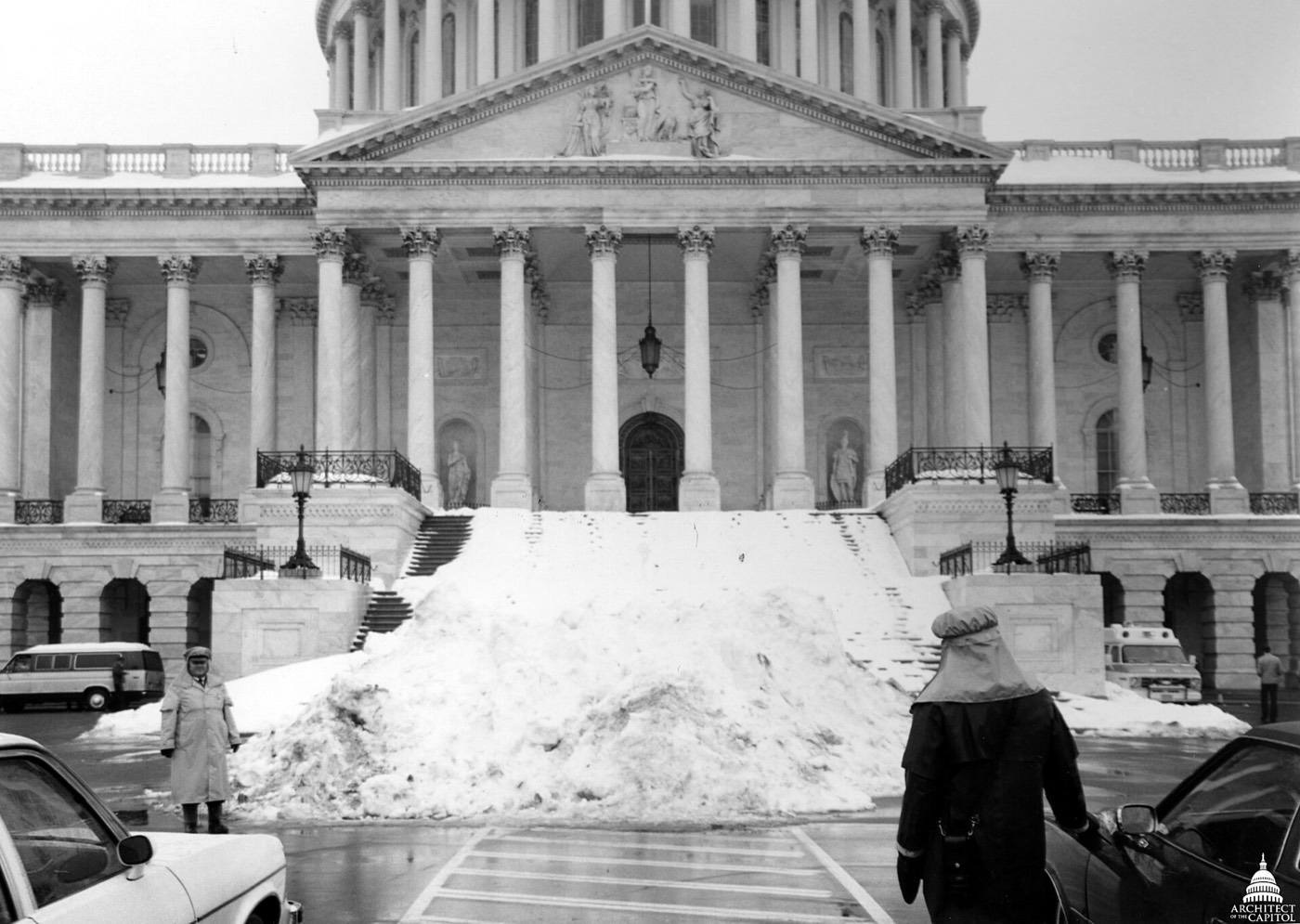
Congress vs. the Executive: A Tug of War
In the wake of the controversial expansion of U.S. military involvement in Southeast Asia, the American public is now witnessing a clash that strikes at the heart of our democracy. Lawmakers are voicing concerns over the powers exercised by the executive branch, raising alarms about the unchecked authority of the President to engage in military actions without congressional approval. The War Powers Act is gaining traction among legislators who believe it is time to clarify the balance of power between Congress and the President.
On one side, proponents of a stronger legislative role argue that our founding fathers envisioned a system where Congress would be the body to declare war, ensuring that the decision to send American troops into combat was not solely in the hands of one individual. They assert that the Constitution is clear on this matter, and any deviation from it undermines our democratic principles.
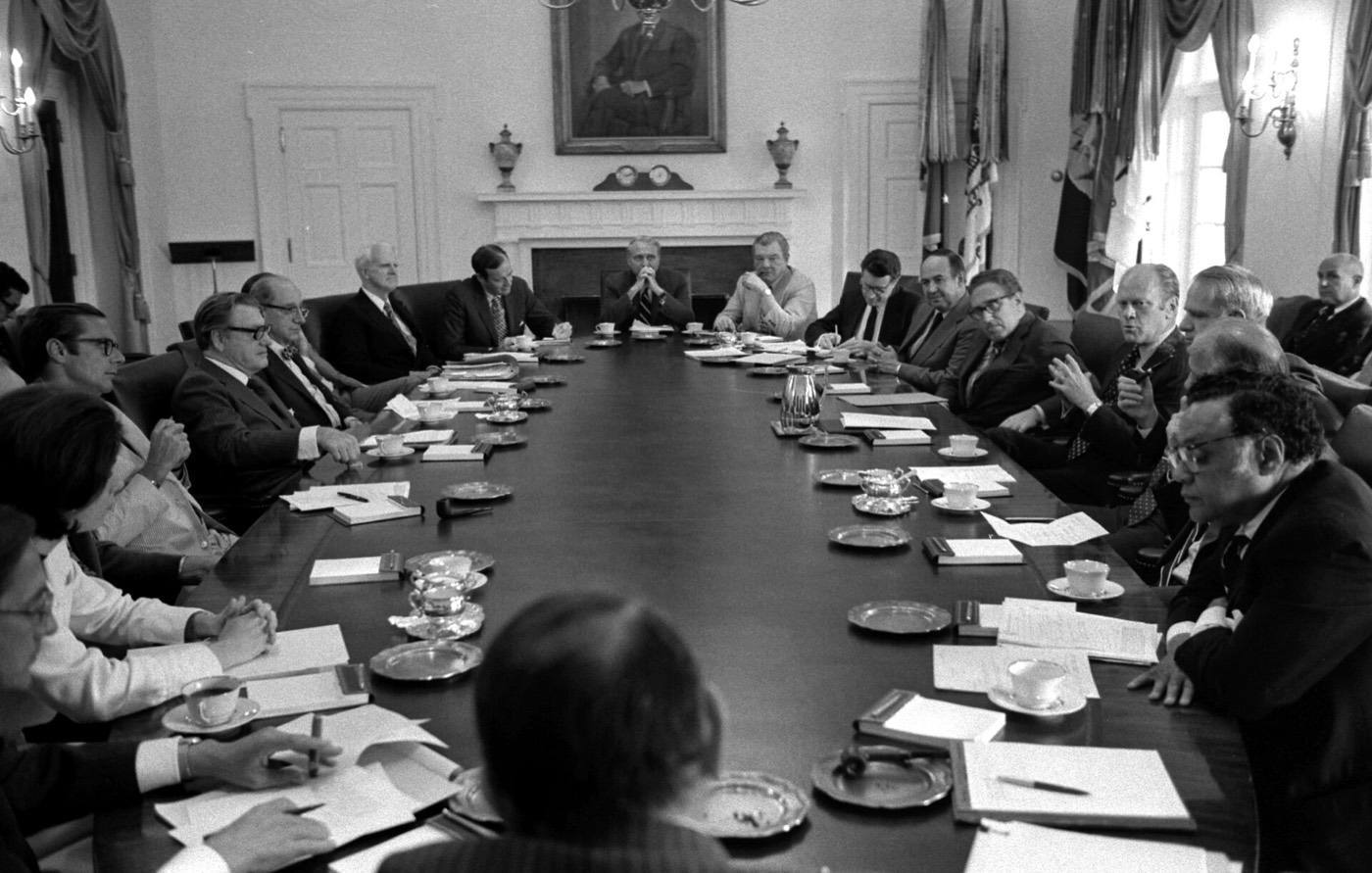
On the other side, defenders of the executive's broad war powers argue that swift military action is often necessary in a world that demands rapid responses. They contend that the complexities of modern warfare require a certain level of flexibility that Congress simply cannot provide. In their view, the President must have the ability to act decisively in the face of threats to national security and to protect American interests abroad.
“The question isn’t just about who has the power; it’s about who has the responsibility.”
Public Sentiment: A Divided Nation
As this debate unfolds, public opinion reflects a nation grappling with its identity. Many Americans are growing weary of the Vietnam War, questioning the need for continued military involvement. Yet, there remains a significant faction that believes in the importance of standing strong against communism, fearing that a withdrawal could set a dangerous precedent. This division is mirrored in the war powers debate, making it all the more contentious.
Protests against the war are becoming increasingly common, with demonstrators calling for an end to U.S. involvement in Vietnam. Meanwhile, these voices are often drowned out by hawkish rhetoric that speaks to the necessity of maintaining military strength. Politicians from both sides of the aisle are feeling the pressure to respond to their constituents, but as they do, the lines between patriotism and dissent are becoming increasingly blurred.
Excesses on Both Sides
As this debate intensifies, it is essential to recognize the excesses on both sides of the aisle. The left, in its zealous pursuit of peace, risks undermining national security by advocating for a complete withdrawal from Vietnam without a viable plan for stability in the region. The right, meanwhile, can be accused of warmongering, often resorting to fear tactics that paint dissenters as unpatriotic or naive. This binary mindset not only stifles meaningful dialogue but also detracts from the nuanced discussion that is necessary to navigate the complexities of war powers.
It is crucial that both sides temper their rhetoric and approach this debate with a level of seriousness that reflects the gravity of the situation. The consequences of their decisions will reverberate through history, shaping the future of American foreign policy and the role of military engagement. We must ask ourselves: how can we strike a balance that honors the Constitution while ensuring our nation remains secure?
Conclusion: A Call for Thoughtful Discourse
As we stand at this crossroads, the war powers debate requires thoughtful discourse that transcends partisan lines. It is an opportunity for our nation to reflect on its identity and values, to consider what it means to engage in warfare, and to ensure that our democratic processes are upheld. If we are to emerge stronger from this tumultuous period, we must confront these challenges with wisdom and resolve.
✦ ✦ ✦