From the file. Written for the paper dated June 1972. Opened in the public stacks July 14, 2026.
As the headlines shift from one explosive story to the next, an unsettling phenomenon continues to unfold beneath the surface of American society: civic boredom. This malaise, which afflicts citizens on both sides of the political spectrum, raises pressing questions about our engagement with the issues that define our democracy.
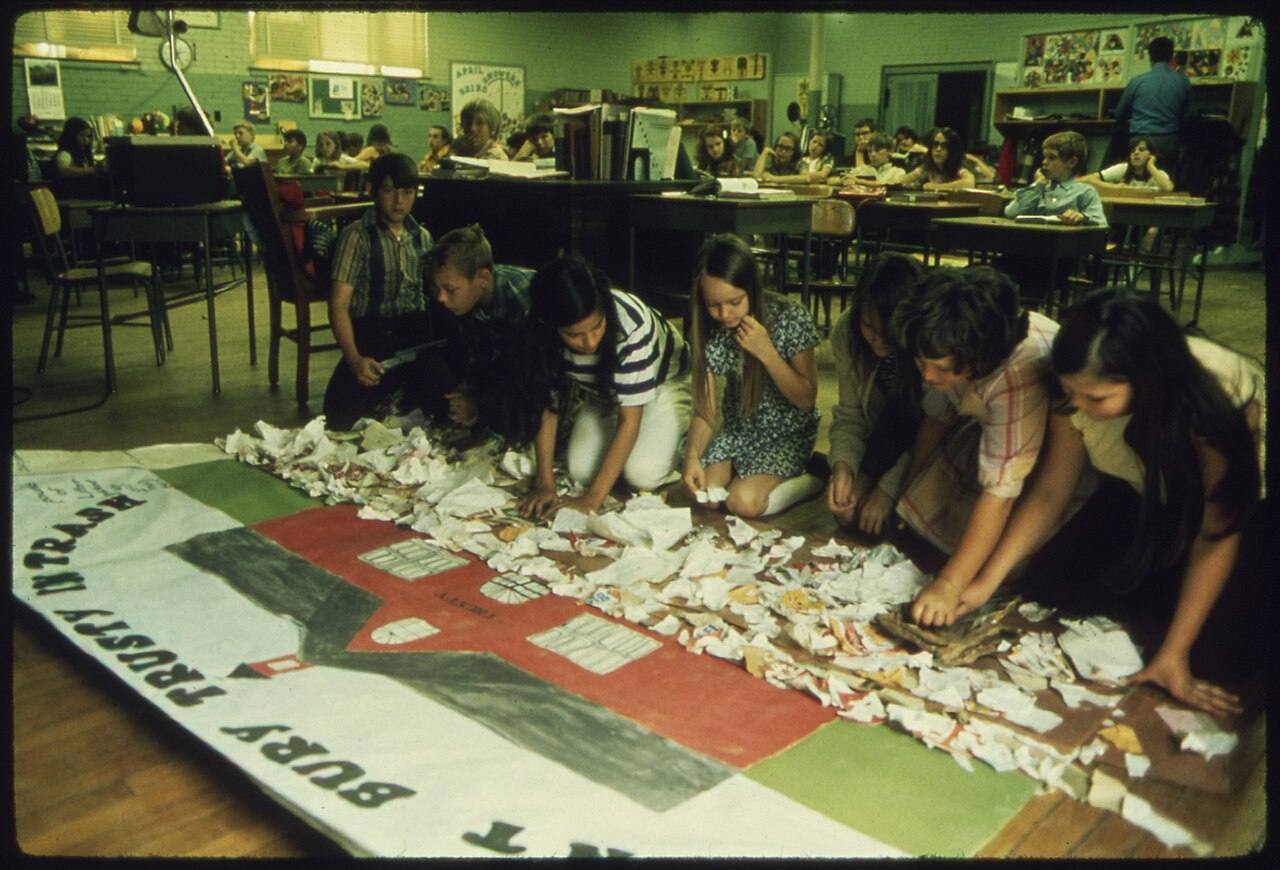
What Is Civic Boredom?
Civic boredom can be described as a sense of disconnection from the democratic process, where citizens feel fatigued by the constant barrage of news yet remain uninspired or unwilling to engage meaningfully with the issues at hand. Whether it is the revelations of Watergate, the ongoing struggles for civil rights, or the escalating tensions of the Vietnam War, these events can lead to a kind of numbness - a feeling that no matter what occurs, the outcome will largely remain unchanged.
The Left: A Distraction from Substance
The left, while rightfully concerned about social justice, often falls into the trap of prioritizing sensationalism over substance. Coverage of protests or movements can become more about the spectacle than the underlying issues. The image of activists brandishing signs can create an illusion of progress, but if these actions do not translate into tangible change, they risk contributing to the very boredom they seek to counteract.
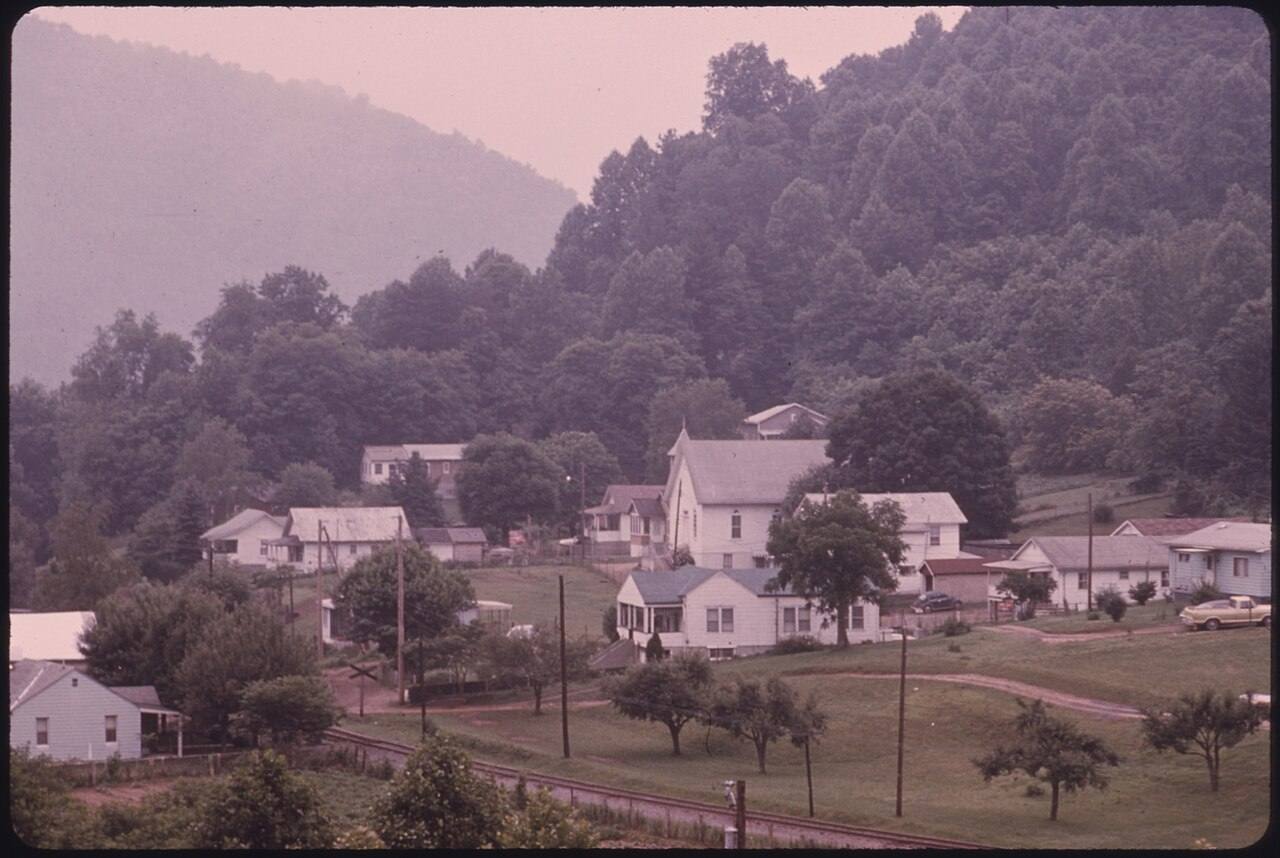
"Civic boredom arises not from a lack of issues but from the perception that engagement leads nowhere."
Furthermore, while the left raises crucial points about inequality, it sometimes veers into rhetoric that alienates potential allies. The language of the far left can be overly dogmatic, creating barriers rather than fostering conversation. When the focus shifts to ideological purity rather than coalition-building, we risk pushing away those who might otherwise join in the struggle for justice.
The Right: Rhetoric without Resolution
On the other side, the right often leans heavily on a mix of nostalgia and fear, utilizing rhetoric that paints a dire picture of the future. While there is a valid concern about law and order, the tendency to frame every issue as a battle for survival can lead to a kind of despair that breeds apathy. When citizens feel that the stakes are impossibly high, they may choose to disengage rather than confront the complexities of the issues at hand.
"The right's appeal to fear often overshadows the need for thoughtful discourse."
Moreover, the right can fall prey to its own excesses, using hyperbolic language that simplifies complex issues into us-versus-them narratives. This not only alienates those who might hold differing viewpoints but also contributes to a climate where civic dialogue is reduced to shouting matches rather than productive discussions. As a result, the very people who could benefit from open dialogue may retreat into apathy.
Bridging the Divide
So what can be done to combat this pervasive civic boredom? First, we must recognize that issues are complex and multifaceted, requiring a willingness to engage with them from multiple perspectives. Both the left and the right must strive to foster an environment where debate and discussion are welcomed, not feared. It is essential to create spaces where citizens can engage with differing viewpoints without the pressure of being labeled as 'traitors' or 'radicals' based solely on their opinions.
Second, we should place greater emphasis on local engagement. National headlines may capture our attention, but it is often local issues that have the most direct impact on our lives. By focusing on community initiatives, town hall meetings, and grassroots organizing, citizens can reclaim their agency and foster a sense of investment in their civic responsibilities.
A Call to Action
Lastly, we must remember that civic engagement is not a one-time event but a continual process. Whether through voting, attending local events, or simply having conversations with friends and family about the important issues of the day, each individual can play a role in revitalizing our democracy. The challenge lies in overcoming the fatigue and boredom that can easily take hold when the headlines fade.
In conclusion, as we navigate an ever-changing political landscape, let us not succumb to the ennui that so easily follows the news cycle. Instead, let us strive for a more engaged citizenry, one that values evidence before identity and recognizes the importance of dialogue over division. The vitality of our democracy depends on it.
✦ ✦ ✦