From the file. Written for the paper dated May 1972. Opened in the public stacks July 14, 2026.
In the ongoing debate over the future of rail freight in America, a troubling divergence has emerged between public claims and the actual performance of our railway systems. As freight traffic continues to grow and transportation needs shift, the reality of our rail infrastructure is coming under scrutiny.
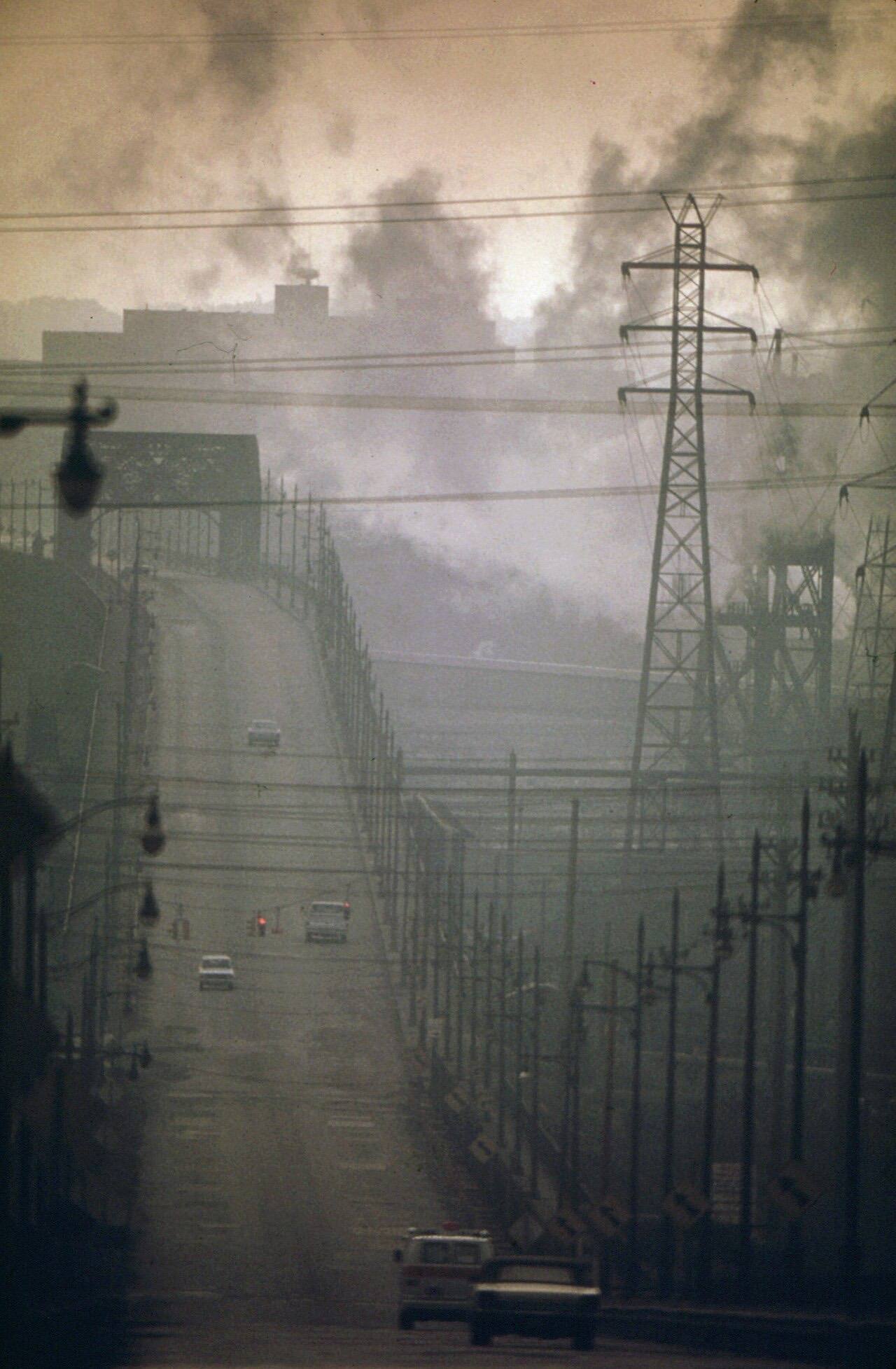
The Promises of Rail Freight
Advocates of rail freight tout its efficiency, environmental benefits, and ability to alleviate congestion on highways. They argue that a robust rail system is vital for economic growth and sustainability. Claims of reduced emissions and energy consumption when compared to trucking are flaunted as proof of rail's superiority. Yet, while these ideals resonate with a public increasingly concerned about environmental issues, the record reveals a more complex picture.
Reality Check: Performance Metrics
Data from the Association of American Railroads indicates that while railroads carry a significant volume of goods, their service reliability has waned. Claims of improved punctuality and efficiency have not been universally substantiated. In many regions, shippers report delays that can stretch into days. The gap between expectation and reality raises questions about whether the rail industry is capable of meeting its own lofty promises.
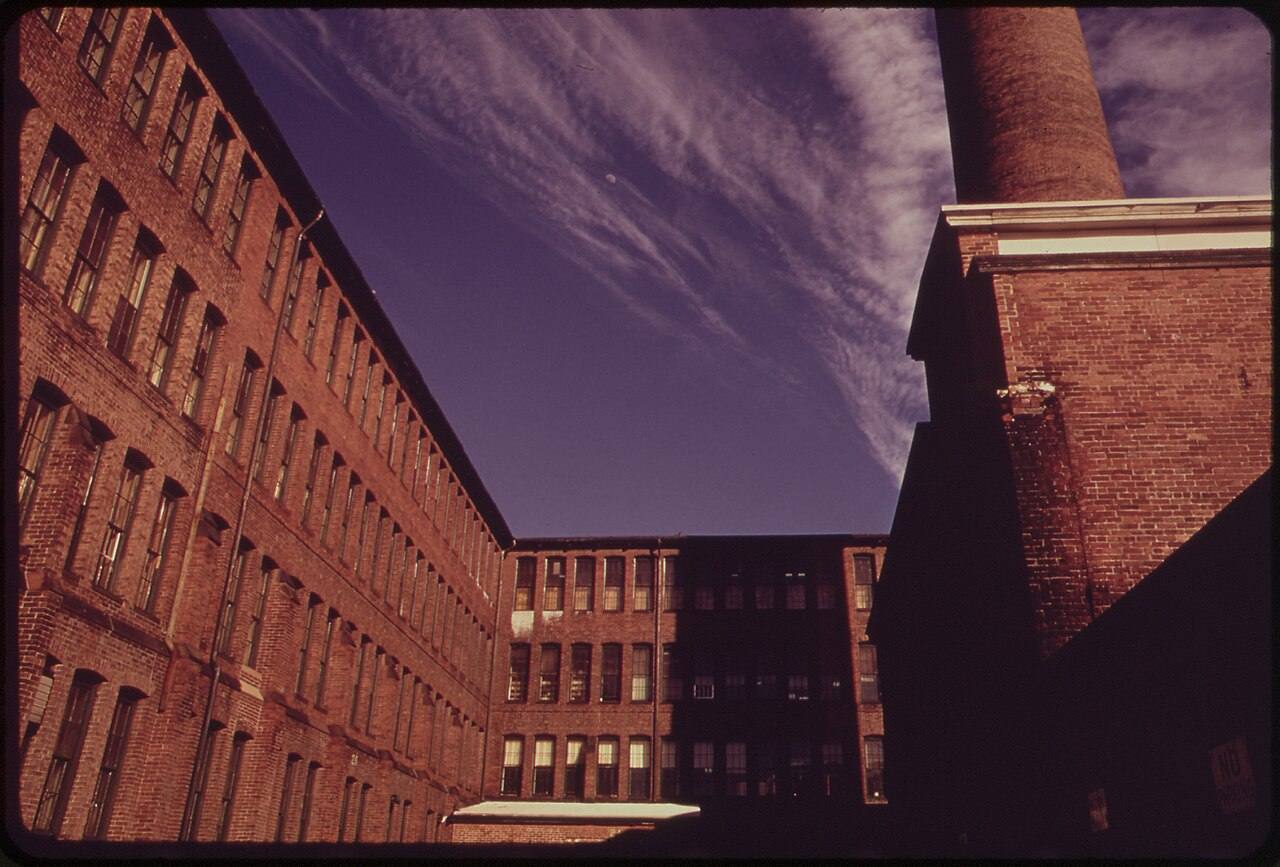
"The railroads must adapt to the demands of modern commerce, or risk losing market share to more nimble competitors." - A freight industry expert
Government Regulations: A Double-Edged Sword
On the regulatory front, the federal government has introduced measures intended to bolster the rail industry. However, these interventions have sparked significant debate. Proponents argue that deregulation will lead to increased competition and innovation. Yet critics warn that the absence of oversight could result in a race to the bottom, with companies prioritizing short-term profits over long-term infrastructure investment.
The Left's Call for Social Responsibility
Progressive voices have emerged, calling for a more socially responsible rail system that prioritizes the needs of workers and communities over corporate profits. This includes demands for better labor conditions and community engagement in rail planning. Yet, some of these calls veer into idealism, ignoring the economic realities that rail companies face. The challenge lies in finding a balance between social responsibility and economic viability.
The Right's Emphasis on Free Market Solutions
Conversely, conservative factions advocate for unfettered market mechanisms to dictate the future of rail freight. They argue that any government intervention stifles innovation and competition. However, this laissez-faire approach often overlooks the systemic challenges that hinder railroads from operating efficiently. A purely market-driven approach risks exacerbating inequalities in service, particularly in rural areas that depend heavily on rail for essential goods.
"We cannot allow the railroads to become the exclusive domain of the wealthy; access must be equitable." - A community organizer
Finding Common Ground
As we navigate the complexities of rail freight, it becomes clear that both sides of the aisle must engage in constructive dialogue. The left's concerns about social equity and the right's focus on market efficiency need not be mutually exclusive. Collaborative efforts can lead to innovative solutions that enhance service while promoting social responsibility.
The Path Forward: Collaboration is Key
To address the pressing issues facing rail freight, stakeholders must come together to create a comprehensive strategy that incorporates the best ideas from both sides. This might include modernizing infrastructure, investing in technology, and ensuring that the voices of affected communities are heard in decision-making processes. Only through cooperation can we build a resilient rail system that meets the demands of a changing economy.
✦ ✦ ✦