From the file. Written for the paper dated May 1972. Opened in the public stacks July 14, 2026.
As the debate over healthcare coverage reaches a fever pitch, Americans are grappling with the gap between public claims about insurance and the stark realities faced by millions.
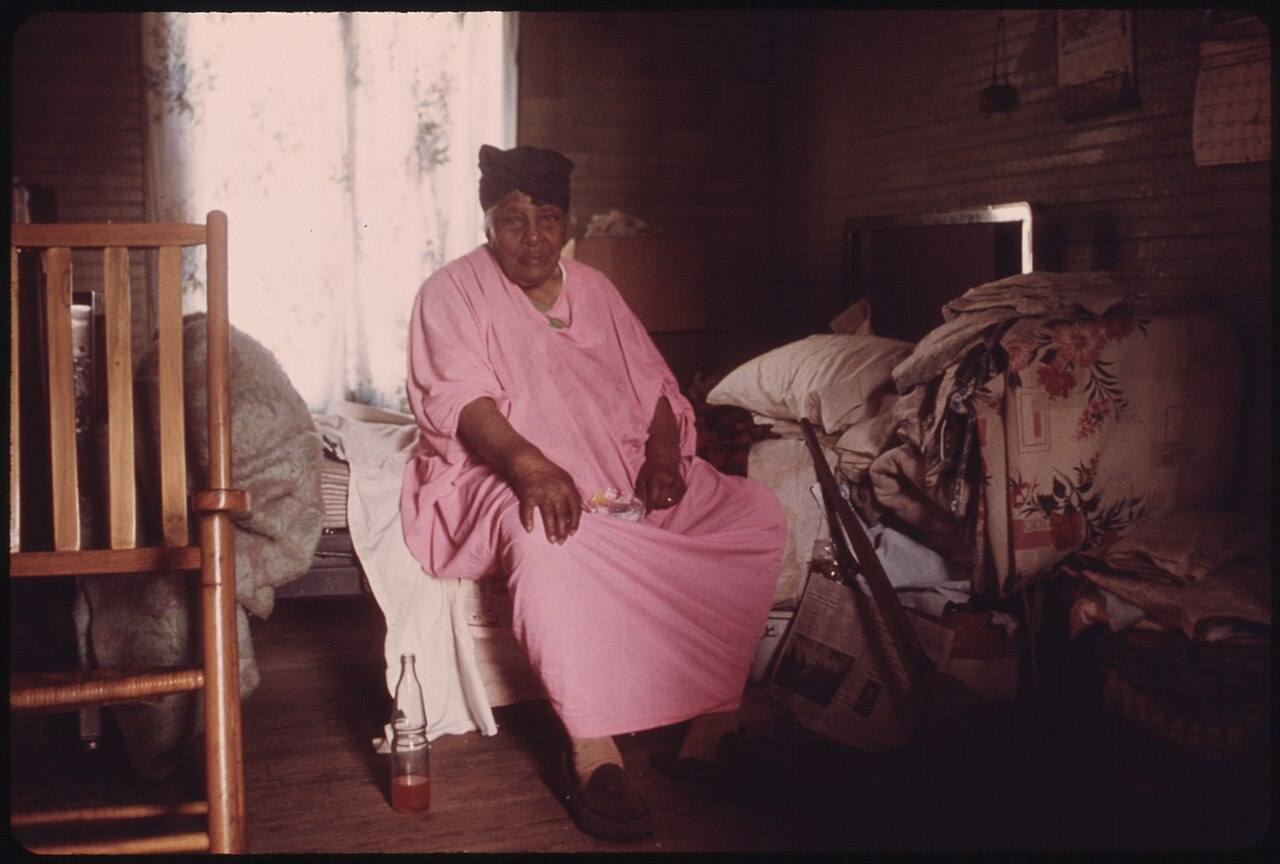
Insurance Promises and Reality
The recent surge in discussions surrounding healthcare has exposed a troubling disparity between the promises made by insurance companies and the actual coverage provided to Americans. While politicians and advocates tout the virtues of expansive health insurance, the everyday experiences of patients tell a different story.
For many, the narrative surrounding insurance coverage remains plagued by confusion and frustration. Advocates for universal health care claim that a robust insurance system could ensure that all citizens receive adequate medical attention without the burden of financial ruin. Yet, the reality is that many individuals find themselves underinsured or outright denied coverage for essential treatments.

“The insurance industry has created a labyrinth of policies that many Americans struggle to navigate.”
In recent months, we have witnessed a wave of rhetoric from both sides of the political aisle. On one hand, left-leaning advocates have called for a complete overhaul of the current system, arguing that only a single-payer model can guarantee equitable access to healthcare. On the other hand, conservative voices argue that the free market should dictate healthcare, insisting that competition will lead to better services and lower costs.
However, both sides risk oversimplifying a complex issue. The left’s insistence on a sweeping governmental approach may neglect the nuances of individual needs and the potential pitfalls of bureaucracy. Meanwhile, the right’s unyielding faith in market forces may overlook the stark inequities faced by those without sufficient means to afford comprehensive care.
The Unseen Struggles
Patients across the nation report harrowing experiences with their insurance providers. Stories of denied claims for necessary procedures, skyrocketing premiums, and the ever-elusive quest for in-network specialists are all too common. The insurance industry has created a labyrinth of policies that many Americans struggle to navigate. It is not uncommon for individuals to find themselves bewildered by the fine print when seeking care, leading to unexpected costs and emotional distress.
Critics argue that this environment fosters a culture of fear among patients, who may delay seeking medical attention due to concerns over insurance coverage. The result is often a worsening of health conditions that could have been managed more effectively if treated earlier. This troubling trend underscores the urgent need for a more transparent and accessible healthcare system.
Political Posturing or Genuine Reform?
As the political landscape heats up, it is crucial for voters to discern between genuine reform efforts and mere political posturing. Politicians are quick to leverage the rising dissatisfaction with insurance companies to bolster their platforms. However, the question remains: are these proposed solutions realistic, or simply a means to rally support without addressing the root causes of the problem?
Many fear that the promises made during election campaigns may evaporate once the dust settles. The specter of health care reform looms large, but without substantive action, the gap between public claims and the actual experience of patients will only widen.
A Path Forward
To bridge this gap, a collaborative approach involving stakeholders from all sides is essential. Open dialogue between policymakers, healthcare providers, and insurance companies can lead to innovative solutions that prioritize patient care over profit margins. Reform should focus not only on expanding coverage but also on ensuring the quality and accessibility of care across the board.
As we move forward, it is imperative that we hold our leaders accountable to the promises they make. The American people deserve a healthcare system that reflects their needs, rather than one that serves as a battleground for ideological conflicts. Only through genuine engagement and compromise can we hope to create a future where healthcare is a right, not a privilege.
✦ ✦ ✦