From the file. Written for the paper dated May 1972. Opened in the public stacks July 14, 2026.
In an age where rhetoric can often overshadow reality, the recent diplomatic cables reveal a stark contrast between public claims made by officials and the actual records of their communications. This disparity raises critical questions about accountability and transparency in an ever-complex geopolitical landscape.
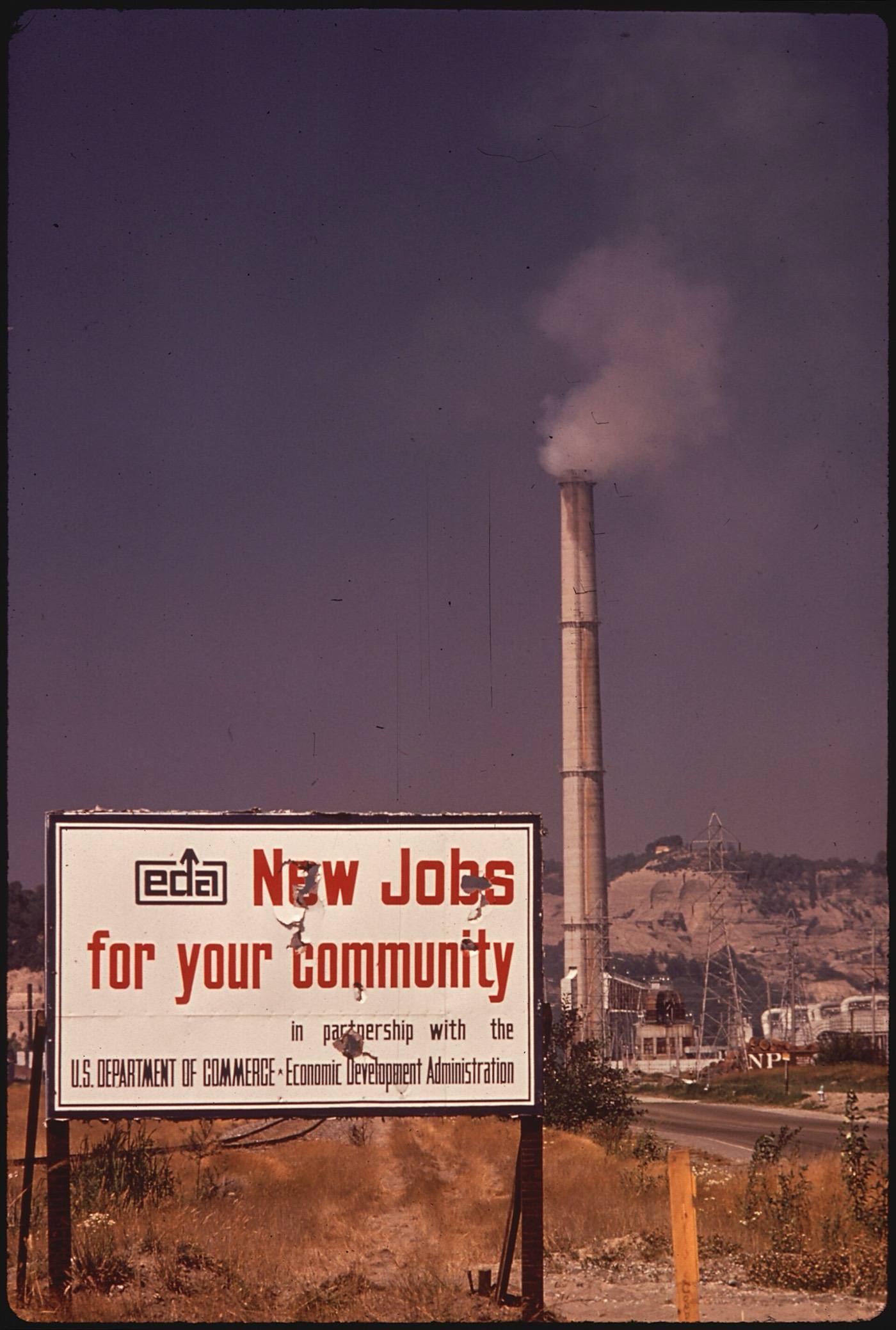
The Disconnect Between Claims and Reality
The recent leaks of diplomatic cables have opened a Pandora's box of discussions regarding the authenticity of government communications. As various officials make bold assertions in press conferences, the stark differences between their public messages and the underlying cables become glaringly evident. It is troubling to recognize that the government’s narrative may not always align with the truth as documented in these communications.
"The truth is often inconvenient for those who thrive on political theater." - An unnamed diplomatic source
This disconnect is not merely an academic concern; it carries practical implications for the citizens who depend on their leaders to provide accurate and honest information. For instance, while government spokespeople tout achievements in international relations, the cables paint a different picture - one laden with hesitation and uncertainty. This raises an important question: Are our leaders prioritizing public perception over truth? A deep dive into the cables indicates that the complexities of foreign policy often lead to a selective presentation of facts.
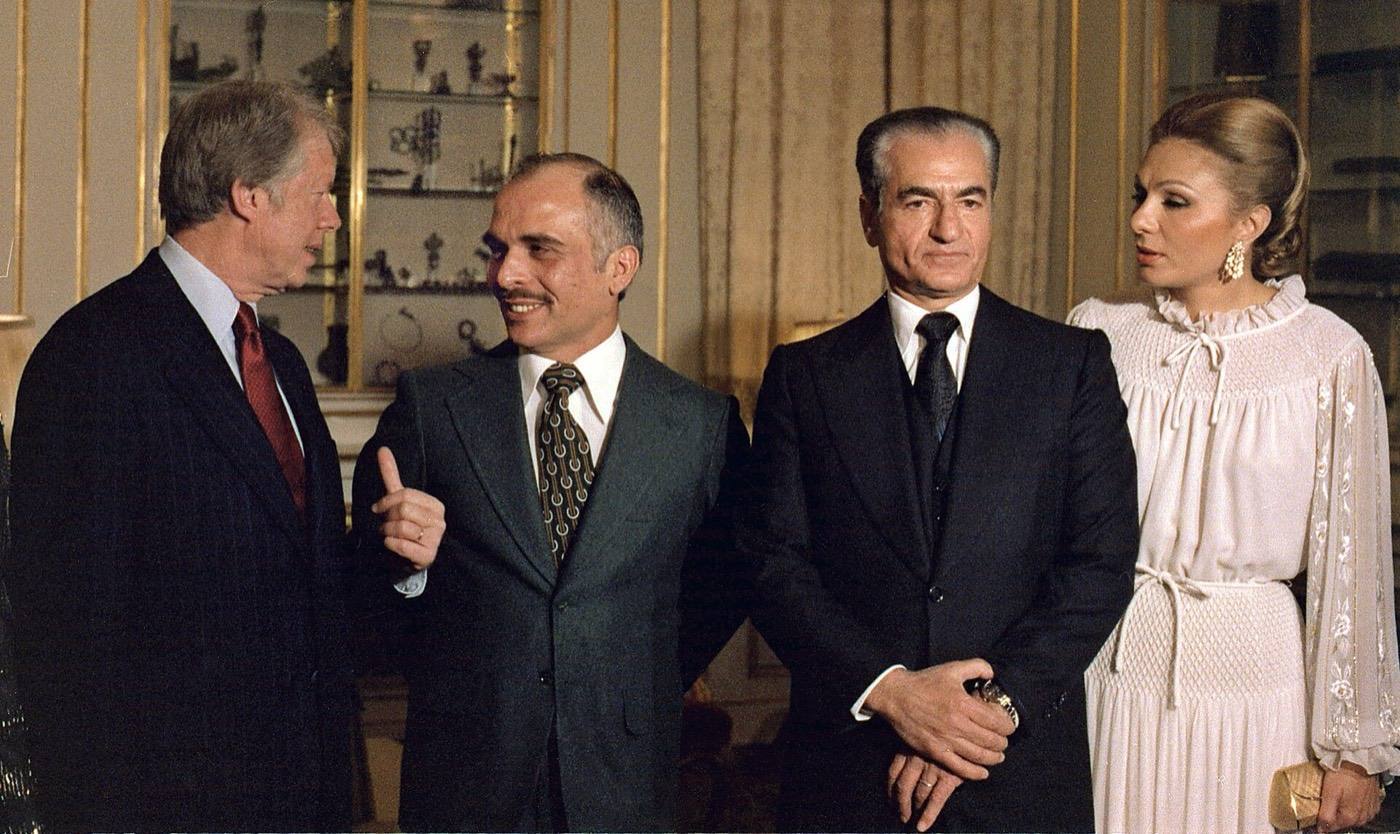
Left and Right: A Battle of Extremes
As we dissect the ongoing political discourse, it is crucial to address the excesses on both the left and the right that have contributed to this troubling environment. The far-left's unwavering commitment to idealism often ignores the pragmatic realities of international relations, leading to overly optimistic proclamations that can mislead the public. Conversely, the far-right's tendency to dismiss diplomatic efforts can create a climate of fear and hostility, which further complicates genuine dialogue.
Take, for example, the current narrative surrounding U.S.-China relations. Leftist commentators often view the U.S. as the primary aggressor, while their right-wing counterparts paint China as a monolithic threat. Both perspectives, while containing elements of truth, ultimately overlook the nuanced realities that the cables reveal. The diplomatic communications often express a desire for cooperation and understanding, yet the extremes on both sides fuel a divisive atmosphere that stifles constructive discourse.
In this charged environment, truth becomes a casualty. Both sides of the political spectrum seem more invested in scoring points against each other than in fostering a collective understanding of our global challenges. This is particularly evident when examining the response to various international crises, where public statements frequently clash with the more measured approaches suggested in official communications.
The Role of Media in Shaping Narratives
In this high-stakes game of political maneuvering, the media plays a critical role in shaping public perception. However, the challenge lies in the media's own biases. Many outlets seem to favor sensationalism over thorough reporting, opting for headlines that provoke outrage instead of thoughtful analysis. This trend exacerbates the divide between public understanding and the reality of complex diplomatic situations.
"The media has a responsibility to scrutinize claims, not merely echo them." - A seasoned journalist
It is imperative for journalists to act as stewards of truth, holding both sides accountable for their claims. This responsibility is particularly pressing as the nation grapples with significant issues such as the Vietnam War, civil rights, and economic instability. The public deserves a nuanced understanding of these topics, not merely soundbites that cater to ideological extremes.
Looking Forward: A Call for Accountability
As the nation stands at a crossroads, it is crucial for both the government and the media to commit to a higher standard of accountability. The recent revelations from diplomatic cables must serve as a catalyst for change, prompting a collective move toward transparency and honesty. Only then can we hope to foster informed dialogue and rebuild trust in our institutions.
✦ ✦ ✦