From the file. Written for the paper dated April 1972. Opened in the public stacks July 14, 2026.
As the dust settles from the latest Cabinet nomination, a critical examination reveals how institutions, rather than individuals, often shield themselves from the repercussions of their choices.
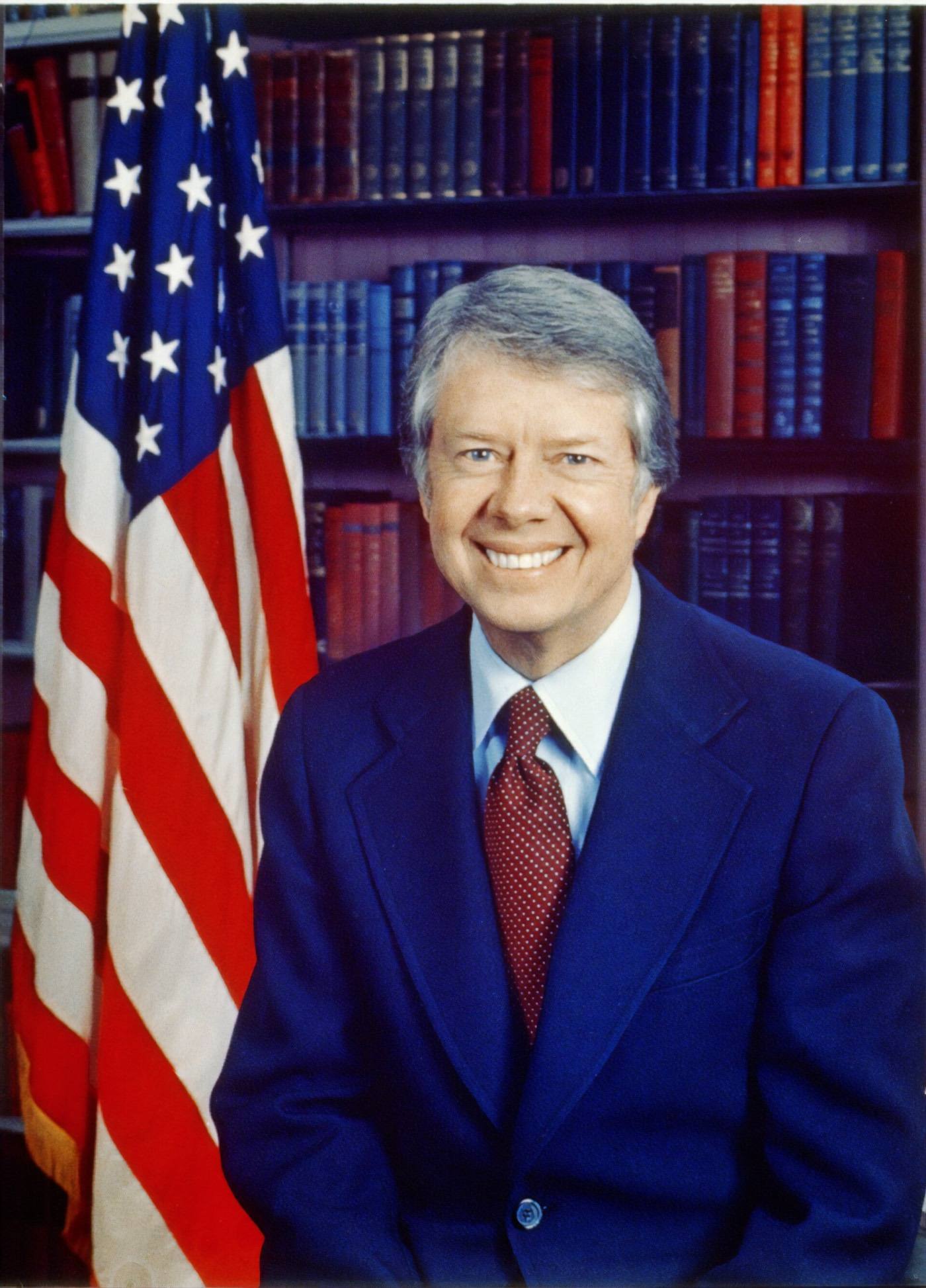
Institutional Armor: Protecting Power
In the wake of President Nixon's recent Cabinet nominations, we find ourselves at a crossroads, observing a political landscape rife with both ambition and caution. It is no secret that the appointment of cabinet members has become a spectacle, played out on the national stage with all the drama one might expect from a Broadway show. Yet beneath the surface of these high-profile selections lies an intricate web of institutional self-preservation.
The selection of cabinet officials is not merely a reflection of the individual’s qualifications or political ideology. Instead, it has evolved into a strategy for the administration to bolster its own legitimacy while appeasing various factions. As we saw with the nomination of individuals whose backgrounds are as checkered as they are illustrious, the question arises: are these appointments made in the name of progress or merely to quell dissent?
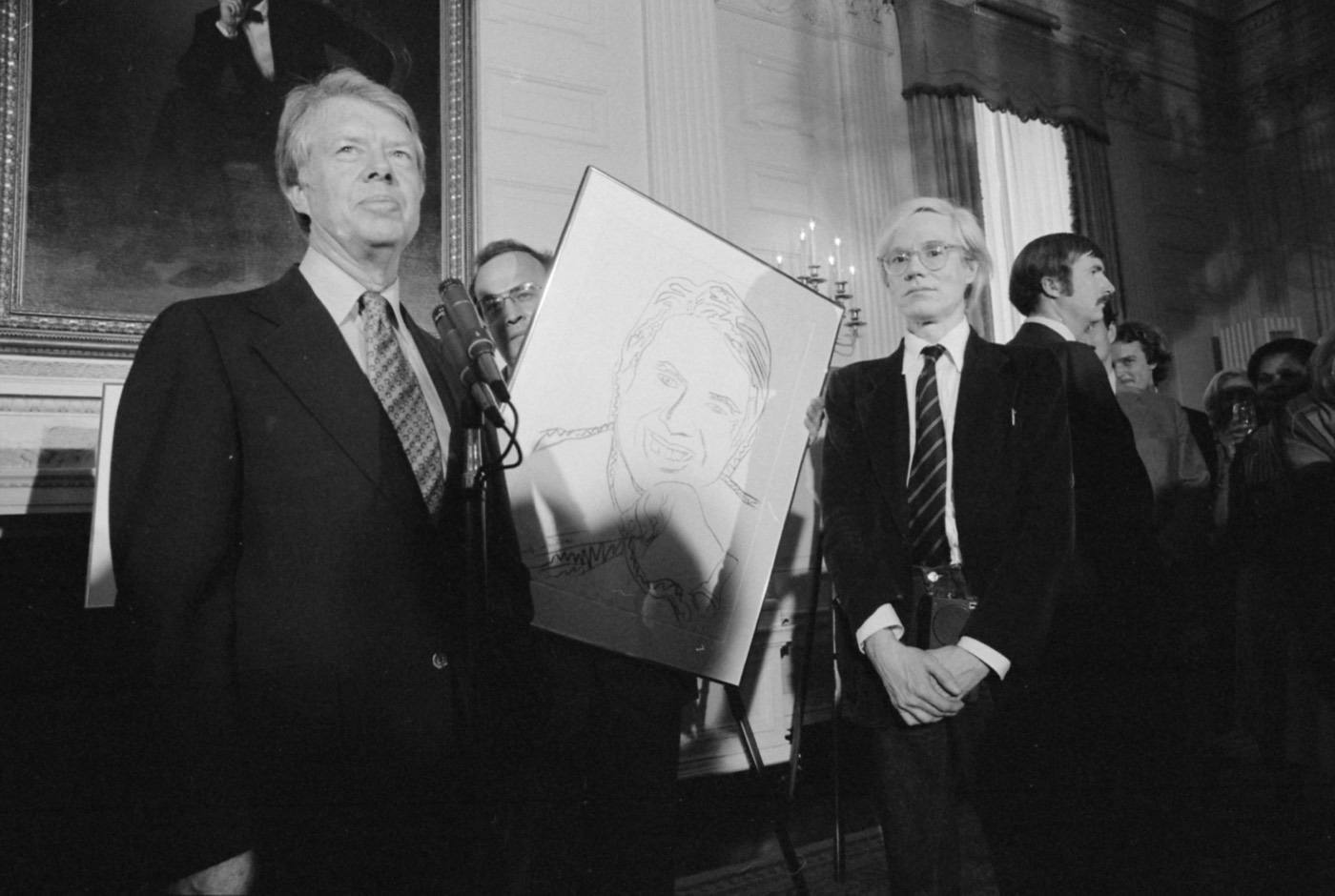
"The political theater surrounding Cabinet nominations masks a deeper narrative of institutional survival."
Left and Right: A Dance of Extremes
In the current climate, both the left and right exhibit tendencies that reflect their respective excesses. On the left, radical elements seem to believe that any appointment not aligned with their progressive ideals is an affront to democracy itself. The outcry against any nominee perceived as conservative often resembles a cacophony of outrage, drowning out the more measured voices advocating for dialogue and compromise.
Conversely, the right has shown a propensity to embrace nominees who represent a hardline stance, often prioritizing loyalty over competence. This approach, while serving to energize the base, threatens to alienate moderate voices and stifle the nuanced conversations necessary for effective governance. In their quest to solidify power, both sides risk fostering an environment where dissent is silenced, and dialogue is dismissed.
Media's Role in the Nomination Circus
The media, in its role as the fourth estate, plays a pivotal part in this nomination circus. Coverage often sensationalizes the drama, focusing on the personalities involved rather than the implications of the appointments. As journalists, we must grapple with our own complicity in this spectacle. Are we amplifying the noise, or are we providing critical insights into how these choices affect the very fabric of governance?
Moreover, the media's tendency to portray nominees as either saints or sinners only serves to deepen the divide. If a nominee's appointment aligns with the prevailing narratives of one side, they are heralded as a visionary; if they do not, they are vilified. This binary approach neglects the complex realities of governance and diminishes the potential for constructive dialogue.
Consequences of Institutional Decisions
As we reflect on these developments, it becomes increasingly clear that the consequences of these institutional decisions extend far beyond the immediate political landscape. The ramifications of a Cabinet appointment can ripple through society, influencing everything from policy direction to public trust in government. When appointments are made primarily to placate factions or to shield institutions from scrutiny, the integrity of the entire system is compromised.
We must question the motivations behind these nominations. Are they truly aimed at enhancing governance, or are they merely an exercise in political expediency? In this age of polarization, it is incumbent upon all of us - journalists, citizens, and politicians alike - to demand accountability and transparency in the nomination process.
Moving Forward: A Call for Reflection
As we navigate the turbulent waters of this political moment, let us not forget the importance of fostering a culture of accountability and fairness in our institutions. While it is easy to point fingers at those in power, we must also examine our own roles in perpetuating the status quo. The time has come for a collective reflection on how we engage with the political process and advocate for a democracy that truly represents all voices.
In conclusion, the recent Cabinet nominations serve as a reminder of the urgent need for a political environment that encourages dialogue rather than division. Institutions must prioritize integrity over protection, and we, as a society, must hold them accountable. Only then can we hope to build a government that serves the people, rather than merely safeguarding the interests of those in power.
✦ ✦ ✦