From the file. Written for the paper dated March 1972. Opened in the public stacks July 14, 2026.
As President Nixon prepares to announce his selection for the next cabinet position, the political landscape grows ever more fraught with partisan maneuvering and grandstanding from both sides of the aisle. The stakes are high, and the incentives for each party reveal much about the state of our national discourse.
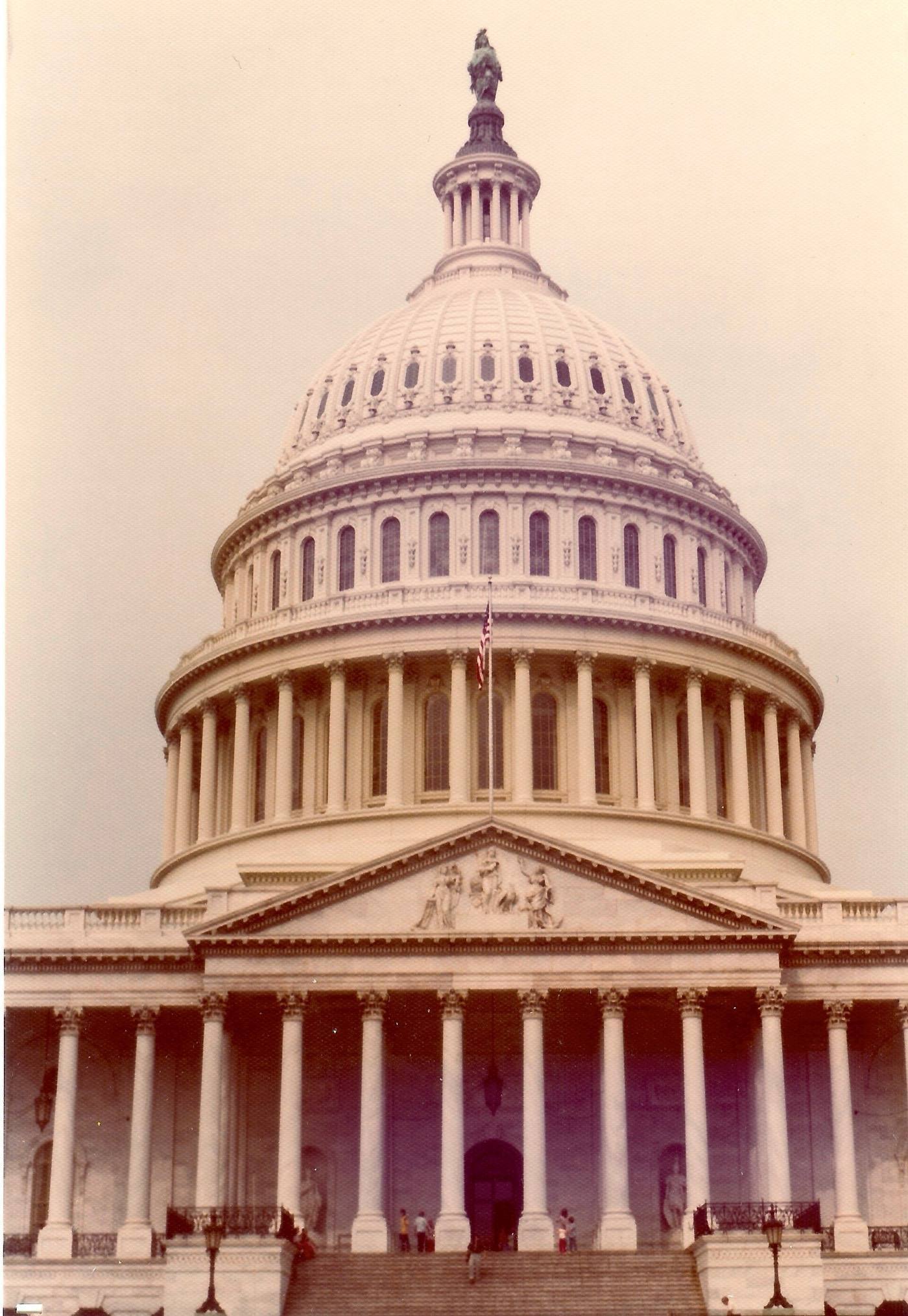
Political Posturing and the Art of Compromise
The current cabinet nomination process is emblematic of a broader trend in American politics - a trend characterized by increased polarization and a lack of genuine compromise. On one hand, the Republicans are eager to consolidate their power and push forward their agenda, while the Democrats are determined to resist at every turn, often prioritizing opposition over constructive dialogue.
In the wake of significant shifts in public opinion regarding the Vietnam War and domestic policies, the cabinet nomination serves as a litmus test for both parties. The Republicans are betting that a strong nominee will not only unite their base but also help to regain favor with the American populace. Conversely, Democrats may see the nomination as an opportunity to rally their troops and showcase their commitment to holding the Nixon administration accountable.

"Both parties are playing a dangerous game, where the stakes are not just political power but the very trust of the American people."
The Left's Rhetorical Overreach
On the left, there seems to be a tendency toward rhetorical excess that risks alienating moderate voters. Some Democratic leaders are adopting increasingly radical positions, which may resonate with their base but fail to acknowledge the broader electorate's concerns. While it is essential to advocate for the disenfranchised, the left must also remember that a coalition requires compromise.
For instance, calls for sweeping reforms in healthcare and education, while well-intentioned, may come across as impractical and overly ambitious in the current political climate. Instead of fostering a sense of unity, these demands can reinforce the idea that the left is out of touch with everyday Americans. Such a strategy could backfire, potentially handing the Republicans an advantage in upcoming elections.
The Right's Dogmatic Stance
On the right, the situation is equally precarious. The Nixon administration’s push for a cabinet nominee who aligns closely with its hardline policies risks alienating moderate Republicans and independents. The insistence on strict adherence to party ideology can lead to a stagnation in policymaking, where flexibility and adaptability are sorely needed.
Moreover, the right's tendency to dismiss all dissent as unpatriotic undermines the very democratic principles upon which this nation was founded. A healthy political discourse requires a diversity of opinions, and the refusal to engage with alternative viewpoints can stifle progress and innovation. If the Republican Party continues down this path, it risks losing the support of a significant portion of its constituency.
The Need for a New Approach
As the nomination draws nearer, both parties would do well to reconsider their strategies. Engaging in a genuine dialogue between left and right could yield solutions that benefit all Americans, rather than exacerbating existing divides. The American public is weary of extreme partisanship, and the desire for bipartisanship is palpable.
To achieve this, the new cabinet member must be someone who can bridge the gap between the two ideologies. A nominee with a track record of collaboration and a willingness to engage with opposing viewpoints could set a tone of inclusivity during a time when the nation desperately needs it. It is an opportunity for both parties to demonstrate that the interests of citizens can transcend partisan lines.
Conclusion: A Call for Unity
The cabinet nomination serves as more than just a political appointment; it is a reflection of our national character. Will we choose to embrace division, or will we rise to the occasion as a united front? The path forward lies not in the extremes but in the middle ground where compromise, dialogue, and understanding can flourish.
As citizens, we must demand better from our leaders, urging them to put aside their partisan bickering for the greater good of the nation. The time for action is now - let us hope that our elected officials heed the call.
✦ ✦ ✦