From the file. Written for the paper dated February 1972. Opened in the public stacks July 14, 2026.
As headlines tout potential resolutions to the ongoing port congestion crisis, a deeper analysis reveals a web of complexities often overlooked by quick news briefs.

Understanding the Impact of Port Congestion
In recent weeks, the issue of port congestion has dominated headlines across the nation. Officials from both the shipping industry and government have been quick to announce measures aimed at alleviating the bottleneck that has gripped major ports, but beneath the surface, the narrative is far more intricate than these briefings suggest. While the media focuses on the immediate impacts of delayed shipments, the long-term implications for commerce and trade policy remain largely unaddressed.
Port congestion is not merely a logistical nuisance; it is a symptom of broader economic challenges facing the United States. The delays in unloading vessels have far-reaching consequences, not only for retailers struggling to stock their shelves but also for manufacturers who rely on timely deliveries of raw materials. For many small businesses, the ripple effect of port congestion can be devastating, leading to lost sales and strained supplier relationships.
"Our supply chain is in disarray, and we are losing customers daily," says a frustrated local business owner.
Moreover, the issue is exacerbated by a fragmented regulatory framework that hinders efficiency. The coordination between federal, state, and local agencies often leads to confusion and delays. As lawmakers discuss potential reforms, many stakeholders are left wondering whether these proposed changes will address the root causes of congestion or merely provide temporary relief.
Political Responses: A Double-Edged Sword
On the political front, responses to port congestion have varied greatly between the left and right. Progressives advocate for increased investment in infrastructure, arguing that modernizing ports is essential to accommodate the growing demands of international trade. While this is a noble goal, some proposals veer into excessive spending without clear accountability or measurable outcomes. The call for vast federal spending could lead to projects that are mismanaged or fail to deliver on their promises.
Conversely, conservative representatives have been quick to advocate for deregulation, suggesting that reducing government oversight will expedite shipping processes. However, this approach risks ignoring necessary safety and labor standards that protect workers and ensure the integrity of goods entering the market. A blind rush to deregulate could lead to more chaos rather than the streamlined processes that proponents claim it will create.
Beyond the Headlines: The Human Cost
As the debate rages on, it is crucial to consider the human element often lost in the shuffle. Dockworkers, truck drivers, and shipping clerks are the backbone of our supply chain, yet their struggles are seldom highlighted in reports. Many are working extended hours under grueling conditions, facing both physical and mental exhaustion. Their voices must be included in discussions about how to resolve the crisis; after all, they are the ones on the front lines.
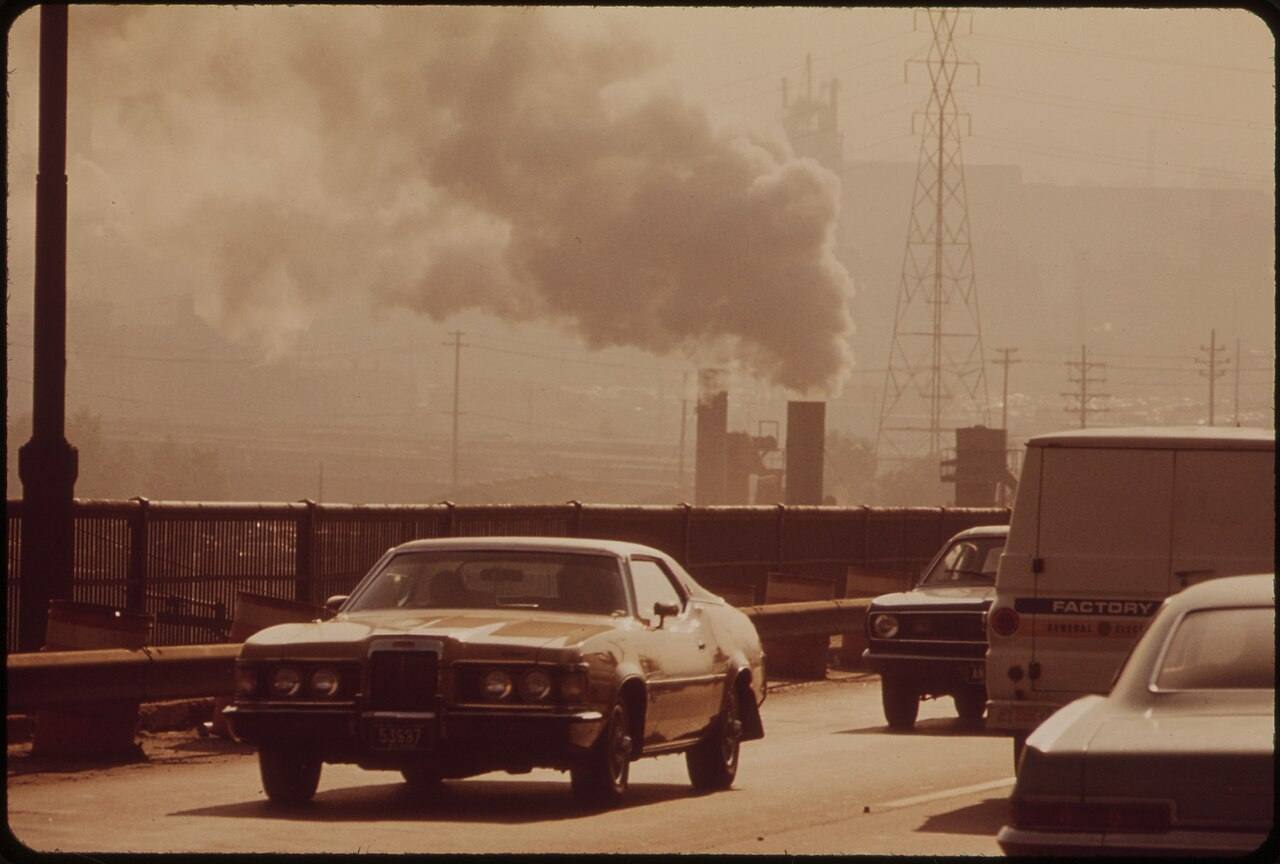
Additionally, the environmental ramifications of port congestion cannot be ignored. Increased truck traffic in and around ports leads to higher emissions and contributes to urban air pollution. As port authorities scramble to find solutions, it is vital that environmental considerations are integrated into any long-term strategy. Merely focusing on the economic aspects without regard for ecological sustainability is a grave oversight.
A Call for Comprehensive Solutions
In conclusion, while it is easy to become enamored by the headlines promising quick fixes to port congestion, a more nuanced understanding of the issue reveals a landscape fraught with challenges. Both left and right must resist the temptation to oversimplify the situation for the sake of political gain. Comprehensive solutions are required - ones that address infrastructure needs, regulatory frameworks, and the real human costs associated with our ports.
The conversations around port congestion should not just be about what gets shipped and when; they should include a broader dialogue about the future of American commerce, labor rights, and environmental stewardship. As stakeholders from various sectors continue to navigate these choppy waters, the time has come for a concerted effort to ensure that the solutions implemented will not only alleviate the immediate crisis but also strengthen the foundation of our economy for years to come.
✦ ✦ ✦