From the file. Written for the paper dated February 1972. Opened in the public stacks July 14, 2026.
As the political landscape heats up in the wake of the upcoming presidential elections, campaign finance has emerged as a critical topic of discussion. However, beneath the surface of headlines and sound bites lies an intricate web of financial influence that often goes unexamined.
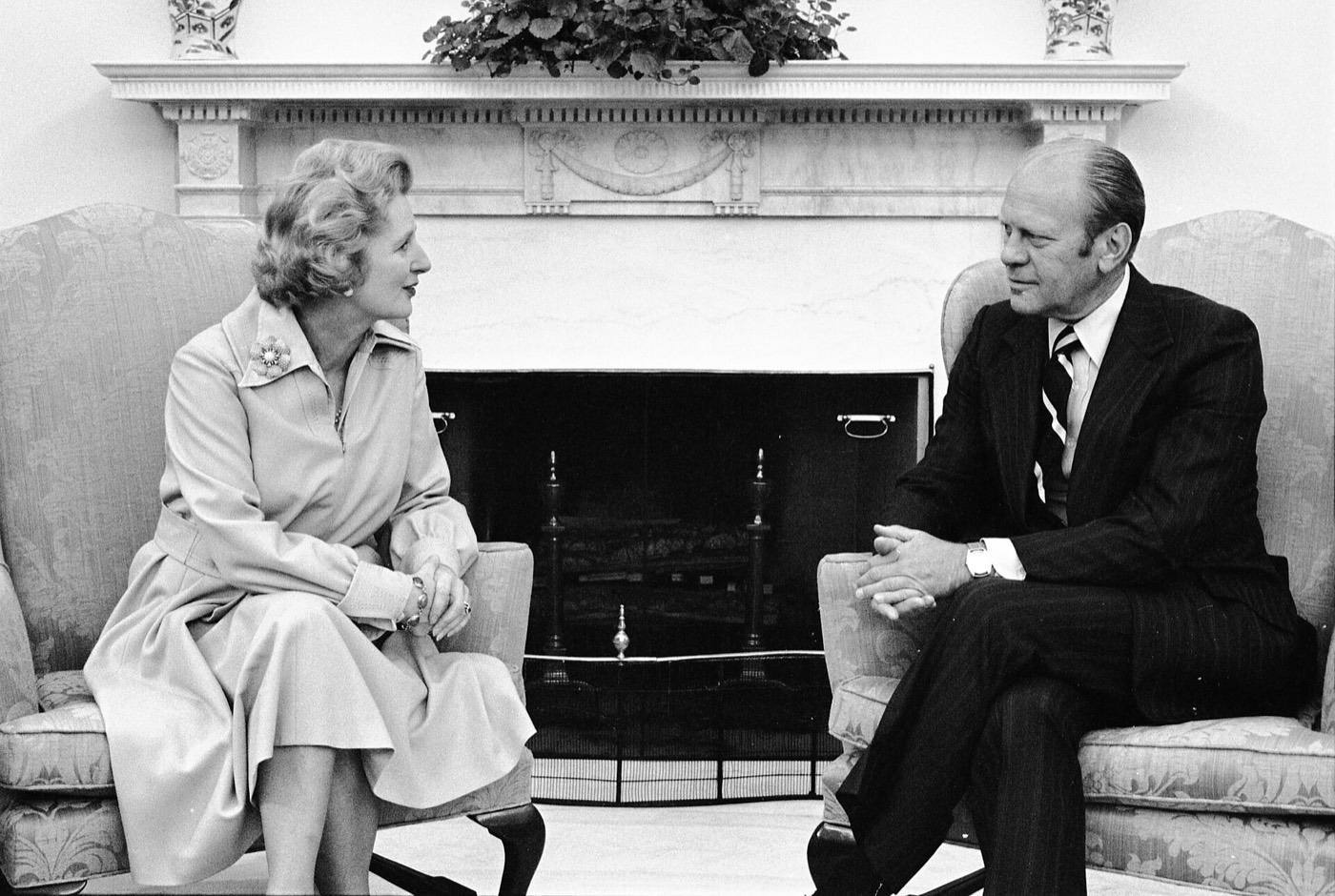
The Unseen Influence of Money in Politics
Campaign finance is a complex issue that tends to get simplified in the public discourse. On one side, there are calls for transparency and regulation, demanding that political donations be disclosed to prevent corruption. On the other side, some argue that restrictions on campaign contributions infringe on free speech rights. Yet, in this heated debate, the nuances of how money shapes political outcomes are frequently overlooked.
"Money is the lifeblood of political campaigns, and its influence cannot be ignored."
Consider that the vast majority of campaign funding comes not from the average citizen but from a small percentage of wealthier individuals and corporations. This raises questions about whose voices are truly being heard in the political arena. When candidates are funded by large donations, it can skew their priorities and policies towards the interests of their benefactors rather than the electorate at large. The disparity in campaign finance creates an uneven playing field where those with deeper pockets hold more sway over the political process.

Left-Wing and Right-Wing Responses
As the left pushes for stricter regulations on campaign financing, there is a growing risk of overreaching. Advocates for reform should be cautious not to alienate moderate voices who may see these measures as an attack on their rights. Meanwhile, the right often champions the notion of free enterprise, arguing that money in politics is simply an extension of free speech. This perspective can lead to a dismissal of the real and pressing issues regarding the influence of wealth on governance.
Both extremes of the political spectrum risk missing the mark. The left's desire to impose strict regulations can inadvertently stifle grassroots movements that rely on small donations and community support. Conversely, the right's reluctance to acknowledge the disproportionate influence of money in politics can perpetuate a system that favors the few over the many. In this tug-of-war, the average voter often finds themselves caught in the middle, with their interests sidelined.
The Need for Thoughtful Reform
What is needed is a balanced approach that recognizes the importance of campaign finance reform without infringing upon individual rights. Transparency should be prioritized, ensuring that all donations are disclosed and that there are limits set on contributions to curtail the influence of wealthy donors. Such measures would help restore public trust in the electoral process and encourage greater participation from the electorate.
"We must find a way to ensure that every voice can be heard, regardless of wealth."
Moreover, public financing of campaigns should be explored as a viable option to level the playing field. By providing resources to candidates from diverse backgrounds, we can foster a political environment that is more representative of the populace. This would not only encourage more individuals to run for office but also ensure that their platforms reflect the needs and concerns of their constituents.
Rethinking the Narrative
As we navigate the tumultuous waters of campaign finance, it is crucial to rethink the narratives that dominate the discussion. The focus should not only be on the amounts of money involved but also on the implications of that money’s influence on democracy itself. A healthy democracy requires an engaged and informed citizenry, and when financial barriers exist, that engagement is compromised.
In conclusion, the conversation around campaign finance must be expanded beyond simple sound bites and partisan talking points. Both sides of the political spectrum have a responsibility to engage in a more nuanced discussion that prioritizes the health of our democracy. Citizens deserve a system where their voices are amplified, not drowned out by the clamor of wealth. As we look ahead to the elections, let us demand accountability and transparency in campaign financing, ensuring a political landscape that is truly representative of the people’s will.
✦ ✦ ✦